Ukraine
 USA
USA
 Austria

Stop editing templates
Start building a plan that gets approved
Turn this template into a complete business plan with:
- Financial projections
- Loan-ready structure
- Clear repayment logic
Based on 40+ bank requirements

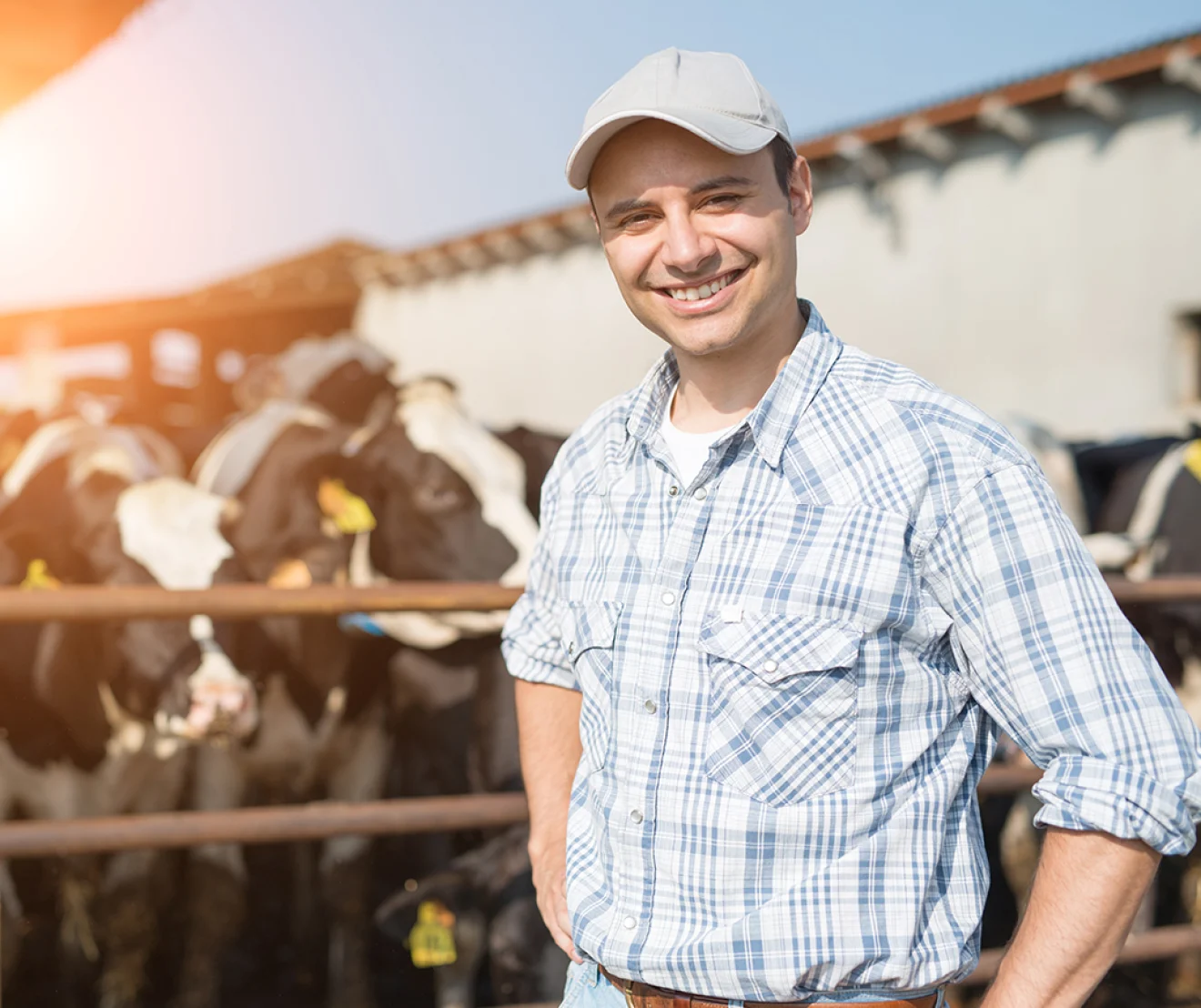
For centuries, cattle farming has been at the heart of rural economies. From dairy herds supplying local markets to large-scale beef operations feeding global supply chains, it is one of the oldest and most enduring forms of agriculture. But the modern cattle farm is no longer just a pastoral image of grazing herds and rustic barns. It is a business that sits at the intersection of biology, economics, and environmental stewardship. Feed costs rise and fall with global grain markets. Consumer demand is shaped by dietary trends and ethical concerns. Diseases can destroy entire herds, while climate variability alters pastures and water availability.
In this context, writing a cattle farm business plan is not a symbolic exercise. It is a disciplined framework that forces an entrepreneur to address the realities of production cycles, market fluctuations, and long-term financial sustainability. For investors and lenders, the plan signals seriousness and risk awareness. For farmers themselves, it becomes a roadmap for balancing efficiency, animal welfare, and profitability in an increasingly competitive and scrutinized industry.
Turn this template into a complete business plan with:
Based on 40+ bank requirements


Most business plans fail not because of the idea — but because the numbers don’t prove repayment.
Build a bank-ready business plan in minutes
(with projections, structure, and validation)
The first step in a cattle farm business plan is to make choices explicit. Are you raising beef cattle, dairy cows, or dual-purpose breeds? Will the operation focus on selling live cattle, processed beef, raw milk, or value-added dairy products like cheese and yogurt? Each path comes with distinct capital requirements, production cycles, and revenue models.
A plan that simply states “we will raise cattle” is insufficient. A stronger articulation might be: “Our farm will operate a 250-head beef cattle herd, targeting premium grass-fed beef consumers in the regional market, with projected annual output of 180,000 pounds of marketable beef.” Such a statement clarifies identity, scale, and target audience.
Narrative strengthens credibility. Many successful farm plans begin with the founder’s connection to land or livestock—whether through family tradition, formal training in animal husbandry, or recognition of a gap in the regional market. This story builds authenticity while setting the stage for a professional outline.
Cattle farming is both a global commodity business and a local enterprise. The global beef market is valued in the hundreds of billions, with demand surging in emerging economies and steady in developed ones. Dairy consumption continues to rise in many regions, though plant-based alternatives have begun reshaping consumer preferences.
A strong business plan must scale these macro trends down to the target market. Is the farm located near urban centers where consumers seek organic or grass-fed beef? Is there strong institutional demand for bulk dairy? Are export opportunities accessible through processors or cooperatives? Identifying the immediate market context makes projections more believable.
Competition analysis cannot be ignored. Are nearby farms vertically integrated with their own processing facilities? Do cooperatives dominate milk supply in the region? Are large feedlots setting price benchmarks that smaller operations must adapt to? Mapping competitors and differentiating—through production methods, branding, or niche products—adds depth.
Consumer trends are also decisive. Demand for traceable, antibiotic-free, and ethically raised cattle is growing. Environmental concerns, from methane emissions to land use, shape perceptions of beef and dairy. A business plan that addresses these expectations head-on is more persuasive than one that pretends they don’t exist.
Operations are the backbone of any cattle farm, and in this sector, they define both risk and opportunity. A credible business plan devotes significant space to explaining how the farm will function day to day. Land use is fundamental. How many acres are available for grazing? What portion will be dedicated to feed crops? Will rotational grazing be practiced to preserve soil health? These details show investors that environmental limits have been considered.
Breed selection shapes productivity. Dairy farmers might focus on Holsteins for volume or Jerseys for higher butterfat. Beef producers may choose Angus for marbling or Brahman for heat tolerance. The plan should explain breed choice in relation to climate, market demand, and operational capacity.
Feeding strategies determine margins. Since feed costs can represent up to 70 percent of total expenses, the plan must specify whether feed will be purchased, grown on-site, or secured through long-term contracts. Seasonal strategies—such as silage production or supplemental grain—should be included. Biosecurity and veterinary care are non-negotiable. Investors are acutely aware of the risks of foot-and-mouth disease, bovine tuberculosis, or mastitis. A strong plan outlines vaccination schedules, veterinary partnerships, and contingency plans. Rather than treating animal health as an afterthought, it should be framed as central risk management.
Labor requirements also need definition. How many workers will manage feeding, milking, calving, and maintenance? What expertise is necessary? How will turnover be managed? Treating people as assets rather than costs builds credibility.
Modern cattle farms are capital-intensive enterprises. Facilities such as barns, milking parlors, feed storage, water systems, and waste management structures must be described in the plan with clarity. Investors want to know not just what will be built, but how it will support efficiency and compliance. Technology increasingly differentiates competitive farms. Automated milking systems, feed rationing software, climate-controlled barns, and health monitoring sensors all drive productivity. A forward-looking business plan explains which technologies will be adopted and how they reduce labor costs or improve herd performance.
Sustainability investments are also strategic. Anaerobic digesters turning manure into energy, water recycling systems, and rotational grazing programs not only reduce environmental impact but also position the farm for future regulatory shifts and consumer demand for eco-friendly practices.
Behind every successful cattle operation is a team of people whose knowledge and consistency determine results. A business plan that glosses over human resources underestimates one of the greatest risks in agriculture: labor shortages and skill gaps.
Leadership structure should be clearly described. Who manages daily operations, oversees veterinary care, and tracks financial performance? Even in family-run farms, assigning clear responsibilities strengthens governance.
Recruitment and training plans matter. Workers must be skilled in handling livestock, operating machinery, and following biosecurity protocols. Training ensures both animal welfare and efficiency. Retention deserves attention. Cattle farming is physically demanding, and turnover leads to inconsistency. Fair wages, housing support, and a positive work culture contribute not just to employee satisfaction but also to operational stability.
Many farmers underestimate marketing, assuming that wholesalers or cooperatives will handle distribution. But even if bulk sales dominate, branding and positioning still matter. A cattle farm business plan should outline how the farm’s products will reach customers and how they will be perceived. Direct-to-consumer channels—farm shops, farmers’ markets, or online meat subscription services—can command higher margins but require more marketing. Institutional sales to schools, hospitals, or restaurants provide stability but often at lower prices. Export markets may be accessible through partnerships but involve compliance with international standards.
Branding is a differentiator. Whether highlighting “grass-fed,” “organic,” “locally sourced,” or “heritage breeds,” the farm must decide how it wants to be known. Storytelling matters here: customers are more likely to buy beef or milk from a farm whose values they recognize.
Promotional strategies should blend traditional and digital. Community engagement, farm tours, and partnerships with local chefs build visibility. Social media platforms amplify these efforts, especially among younger demographics increasingly conscious of food origins.
No connection between:
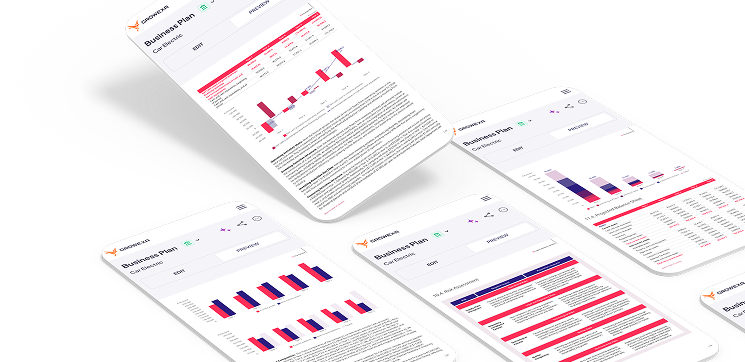
Growexa builds a complete, lender-ready business plan — with financial logic and a professionally formatted PDF

Cattle farming is among the most capital-intensive agricultural ventures. Land, infrastructure, herd acquisition, and feed demand significant upfront investment. A business plan must therefore provide a transparent breakdown of capital requirements.
Startup costs may include land purchase or lease, fencing, barns, milking systems, feed storage facilities, initial herd acquisition, and vehicles. Working capital for feed, veterinary care, and labor during the first production cycles must also be included.
Funding sources should be diversified. Personal equity, bank loans, agricultural credit unions, government grants, and private investors all play roles. A plan that relies entirely on debt appears risky; blending equity and external financing shows prudence.
Phased capital deployment reassures stakeholders. Initial spending may focus on land and herd acquisition, followed by infrastructure build-out, and finally expansion into value-added processing. Mapping these stages demonstrates discipline.
Financial projections in cattle farming cannot be abstract. They must be built from biological realities: calving intervals, milk yields per cow, feed conversion ratios, mortality rates, and growth cycles. Revenue forecasts should specify expected output. A dairy farm might project 8,000 liters per cow per year, multiplied by herd size and average market price. A beef operation may project live weight gains, slaughter weights, and prevailing per-pound prices.
Expenses must be broken down rigorously: feed, veterinary care, labor, utilities, maintenance, insurance, and depreciation. Underestimating any of these signals naivety.
Cash flow forecasts are particularly important because cattle farming involves long production cycles. Beef cattle may take 18 to 24 months before generating revenue. Dairy farms require months of investment before cows reach peak production. Showing how liquidity will be managed during these gaps reassures investors.
Break-even analysis must be realistic. Depending on herd size and efficiency, profitability may take 30 months or more. Presenting this openly builds credibility.
Performance metrics such as gross margin, net margin, return on assets, and payback period should be included. These allow investors to benchmark the farm against industry norms.
Cattle farming faces risks from multiple directions: disease outbreaks, feed price volatility, climate change, and shifting consumer demand. A business plan that ignores these risks is incomplete.
Risk management strategies may include diversifying revenue streams (milk, beef, by-products), securing long-term feed contracts, investing in insurance, and adopting sustainable practices to mitigate environmental impacts.
Future growth opportunities should also be addressed. Will the farm expand herd size, move into branded meat products, or integrate vertically into processing? Outlining these possibilities shows ambition. Technology adoption strengthens resilience. Data analytics, genetic selection software, and climate-smart systems improve efficiency and reduce risk exposure. Including these in the roadmap signals sophistication.
A cattle farm may look timeless, but its success today depends on modern strategy as much as tradition. It is not simply about raising animals—it is about managing biology, markets, and margins in a system that rewards foresight and discipline.
A cattle farm business plan, therefore, is more than a funding document. It is the architecture of a sustainable enterprise, balancing land, livestock, and livelihoods. For those ready to enter or expand in this demanding sector, the first step is clarity on paper.
Ready to map your vision into action? Explore a cattle farm business plan template, review completed examples for practical guidance, and use the customizable tools at Growexa to design a plan as resilient as the industry you hope to master.