
Stop editing templates
Start building a plan that gets approved
Turn this template into a complete business plan with:
- Financial projections
- Loan-ready structure
- Clear repayment logic
Based on 40+ bank requirements

If you’re looking for a Bakery business plan template, this guide helps you turn your bakery idea into a structured, investor-ready plan in minutes using Growexa AI. Whether you are opening a new bakery or expanding an existing baking business, this template provides a clear framework to plan operations, secure funding, and support long-term growth — without starting from scratch.
The template is organized into clear sections that cover every stage of building a complete bakery business plan.
Turn this template into a complete business plan with:
Based on 40+ bank requirements


Most business plans fail not because of the idea — but because the numbers don’t prove repayment.
Build a bank-ready business plan in minutes
(with projections, structure, and validation)
Every Bakery business plan starts with clarity — the Executive Summary is your first and most important impression. It distills the essence of your concept: what kind of bakery you are building, who it serves, and how it will succeed.
A compelling executive summary reads like a mission in motion. It defines your Bakery’s vision — perhaps a modern artisan space focused on slow fermentation and organic ingredients, or a nostalgic, family-style bakery built around comfort and tradition. Investors and lenders should feel not only what you will bake, but why it matters.
Start with the concept: What defines your bakery’s DNA? Is it your signature sourdough, your French pastries, or your commitment to zero waste? Then outline the business structure — sole proprietorship, partnership, or LLC — and your operational scale. State your location and the demographic rationale behind it: foot traffic, neighborhood income, and nearby competition.
The financial summary is the cornerstone of this section. Your business plan should summarize startup costs, expected revenue, and profit margins. Most bakeries operate within tight margins (5–15%), so demonstrating cost discipline and sales predictability is key. Highlight your funding requirement, repayment plan, and profitability timeline — ideally reaching break-even within 12–18 months.
Finally, add a human touch. Mention your team’s experience — perhaps a head baker trained in France or a founder with hospitality management expertise. Your Bakery business plan isn’t just about numbers; it’s a story of craftsmanship and strategy. The Executive Summary is where investors decide if that story is worth backing.
The Company Overview transforms your business plan from an idea into an identity. It’s the space to describe who you are, what your bakery stands for, and how you plan to deliver consistent quality in a market that rewards excellence but punishes inconsistency.

Start with your mission statement. What problem does your Bakery solve? Maybe it offers authentic, handmade bread in a market dominated by industrial products. Or perhaps it provides a healthier alternative with gluten-free or low-sugar recipes. Your mission should resonate emotionally — something customers can believe in, not just buy from.
Define your vision — where you want the bakery to be in three, five, or ten years. Are you building a local gem or a scalable brand with multiple outlets? This long-term clarity influences every operational and financial decision in your business plan.
Then, articulate your values. For example, a Bakery that prioritizes sustainability may use local flour, recyclable packaging, and solar-powered ovens. A boutique patisserie might focus on artistry and exclusivity, making small batches with premium ingredients. These principles help you stand out in a market full of sameness.
Ownership and structure come next. Identify the founders, their roles, and equity distribution. If you have partners or investors, describe how decisions are made and how profits will be reinvested.
Lastly, capture your brand personality — the tone, design, and emotional appeal that make your Bakery memorable. A strong business plan reflects not just your operational logic but your aesthetic identity: your logo, your store’s ambiance, even the typography on your packaging.
A well-defined company overview gives readers — whether lenders, investors, or future team members — a clear understanding of who you are and why your Bakery deserves to exist.
The success of any Bakery business plan depends on how well you understand your market — because bread may be universal, but customers are not. Market analysis isn’t just about size; it’s about psychology, behavior, and opportunity. Start by defining your market segment. Are you a boutique artisan Bakery serving health-conscious urban professionals, or a family-oriented neighborhood shop with a loyal morning crowd? Perhaps you’re a wholesale bakery supplying restaurants, cafes, and hotels. Each audience dictates a different product mix, pricing structure, and marketing channel. Next, quantify demand. The bakery industry is resilient, driven by daily consumption habits. According to recent reports, global bakery sales are expected to grow by over 6% annually, with premium and healthy options leading the trend. This shift opens opportunities for bakeries offering organic, vegan, or gluten-free lines — but it also raises customer expectations around freshness, transparency, and authenticity.
Competition analysis is the reality check in your business plan. Identify direct competitors (local bakeries, café-bakeries, supermarket in-house bakeries) and indirect ones (meal delivery services, coffee chains). Analyze their strengths, pricing, and weaknesses. Are they strong on variety but weak on service? Are they focused on price rather than quality? These insights help you position your Bakery with precision.
Don’t forget location intelligence. A high-traffic area near offices or transit hubs may drive walk-ins, but a residential location might create stronger loyalty. Foot traffic studies, rent costs, and parking availability should all inform your business plan’s geographic strategy.
Finally, analyze trends that can shape your future growth — sustainability, plant-based diets, Instagram-driven visual branding, or the rise of e-commerce. Today, bakeries that master digital pre-orders, delivery partnerships, and subscription boxes often outperform those relying solely on foot traffic.
A thorough market analysis proves your bakery isn’t just an idea — it’s an informed, data-backed opportunity ready to capture a specific niche and expand with intent.
If the market analysis defines where you stand, your marketing and sales strategy explains how you rise. This section of the business plan turns insight into execution — how you’ll attract, engage, and retain your bakery’s ideal customers. Start by defining your brand story. A great Bakery doesn’t just sell baked goods; it sells belonging, indulgence, and identity. Your story might celebrate craftsmanship (“Every loaf made by hand, every morning”) or convenience (“Warm bread delivered before breakfast”). The goal is to transform a simple purchase into an emotional ritual.
Your marketing strategy should align with your customer journey — awareness, consideration, and loyalty. Local visibility is crucial: invest in clear signage, a distinctive storefront, and collaborations with nearby businesses. For digital presence, build a visually rich website with online ordering and an active social media presence that showcases daily specials, seasonal launches, and behind-the-scenes craftsmanship.
Social proof drives bakery traffic. Encourage customer reviews on Google and Yelp, and showcase testimonials or user-generated photos on Instagram. A strong digital footprint reinforces the perception of freshness and quality — key differentiators in this industry.
Pricing must balance aspiration and accessibility. Your business plan should outline your pricing logic: are you a premium artisan bakery or a value-driven family brand? A mixed model — high-margin pastries combined with steady-selling staples like baguettes — often ensures stability.
Loyalty programs and partnerships can strengthen retention. Offer prepaid cards, coffee pairings, or exclusive tasting events for repeat customers. Corporate accounts — for offices or hotels — can create steady B2B revenue streams that stabilize cash flow.
Sales forecasting should be included in this part of your business plan. Estimate daily output, average transaction value, and conversion rates. Use conservative, data-backed projections to ensure your financials are credible.
Ultimately, your marketing strategy isn’t just about getting people to visit your Bakery — it’s about making them feel they belong there. A strong business plan turns casual foot traffic into a loyal community that fuels long-term growth.
In the Bakery business plan, the Operations Plan is the backbone — the system that keeps creativity profitable. Flour, butter, and sugar might make pastries; but workflow, timing, and precision make businesses. This section proves you can produce consistent quality at scale.
Start by outlining your production process. Describe how ingredients move from supplier to shelf — sourcing, mixing, proofing, baking, packaging, and delivery. Investors want to see operational discipline: how you’ll manage waste, maintain freshness, and balance production with demand cycles.
Supply chain stability is critical in the Bakery industry. Specify your ingredient partners — local farms, flour mills, dairy suppliers — and note any contingency plans for shortages or price fluctuations. In an age of rising food costs, transparency about sourcing adds credibility and positions your brand as ethical and sustainable.

Next, focus on equipment and layout. Your business plan should include ovens, mixers, refrigeration systems, and display cases, plus details on maintenance and energy efficiency. A smart floor plan — separating prep areas from customer zones — boosts safety and speed. Efficient workflow reduces costs more effectively than aggressive pricing ever could.
Define your operating hours and staffing shifts. Early-morning prep and late-night cleaning schedules should be accounted for, along with delivery logistics if applicable. Many successful bakeries run on lean teams supported by automation, like digital POS systems or inventory management tools.
Finally, outline compliance — licenses, food safety certifications, and health regulations. These aren’t optional; they’re part of your credibility. A Bakery business plan that clearly demonstrates operational readiness signals reliability, especially to lenders.
Operational excellence turns passion into precision. When your bakery runs like clockwork, your team has the freedom to innovate — and your customers taste the difference in every bite.
Behind every successful Bakery is a team that blends artistry with accountability. The Management and Organization section of your business plan details the people who will make it happen — their roles, experience, and leadership structure.
Start with ownership. Define who holds equity and decision-making authority. If multiple partners are involved, specify their contributions — financial, operational, or strategic. A clear governance model prevents confusion later and reassures investors that leadership is aligned.
Then describe your core team. Your head baker isn’t just a technician — they’re your product visionary, shaping recipes and maintaining standards. Your operations manager ensures efficiency, inventory, and compliance. A front-of-house manager, if applicable, oversees customer experience and staff coordination. Even a small Bakery benefits from defined accountability.
Experience matters. Highlight your leadership’s credentials: culinary backgrounds, business degrees, or prior experience running restaurants or bakeries. This is where your business plan demonstrates credibility through people, not just numbers.
Don’t overlook culture. Great bakeries thrive on consistency, which comes from empowered, trained teams. Outline hiring processes, training programs, and incentive systems. Explain how you’ll maintain morale in an environment that demands early hours and meticulous attention to detail.
If you plan to expand, describe your management scalability model — perhaps a regional director for multi-location operations or a training manual for franchisees. A strong organizational structure gives investors confidence that your Bakery can grow without losing its soul.
Lastly, introduce your advisors — accountants, marketing consultants, or industry mentors. Their inclusion signals maturity and commitment to professional governance.
Your team is your true differentiator. While recipes can be copied, culture cannot. A strong Bakery business plan proves that your leadership team can sustain both the craft and the commerce behind every loaf.
No connection between:
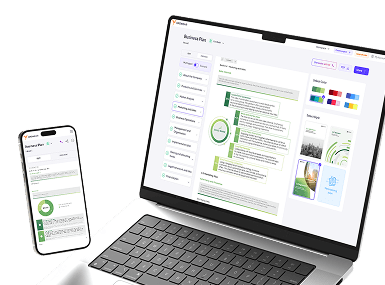
Growexa builds a complete, lender-ready business plan — with financial logic and a professionally formatted PDF
Every Bakery business plan must answer one key question: how will you fund the dream? The warmth of a fresh loaf won’t pay for ovens, staff, or rent — capital will. This section outlines where your funding will come from, how it will be used, and how it will generate measurable returns.
Start with the investment requirement. Estimate total startup costs, typically ranging from $50,000 for a small neighborhood Bakery to $500,000 or more for a full-scale artisan operation. Break down the use of funds into specific categories: equipment purchases, leasehold improvements, initial inventory, marketing, licenses, and working capital for at least six months.
Then, explain your financing strategy. Are you seeking loans, private investors, or partnerships? Each source shapes your business plan differently. Bank loans require clear repayment structures; investors look for equity and scalability. For many bakeries, a mix of both — debt for assets, equity for growth — creates a balanced approach.
Transparency is crucial. Provide repayment schedules, expected ROI, and contingency reserves. A credible Bakery financial proposal also accounts for seasonality — slower summer months or holiday peaks. Build buffers that show foresight.
Next, describe your fund allocation philosophy. Avoid overinvesting in décor before perfecting operations. A wise business plan prioritizes production efficiency, product consistency, and marketing visibility over cosmetic spending. Capital discipline signals maturity and strategic thinking.
Don’t overlook grants or local food incubator programs — many regions support artisanal businesses that promote local agriculture or sustainable practices. Including these options in your funding narrative adds depth and innovation to your financial strategy.
Ultimately, your fundraising story should balance passion with precision. Investors back bakeries not for their croissants, but for their clarity — a sense that every dollar invested will rise just as predictably as your dough.
Numbers tell the truth that passion often hides. A detailed Financial Plan is where your Bakery business plan proves viability through projections, margins, and disciplined management. It’s not about guessing profits — it’s about modeling possibilities.

Start with revenue projections. Estimate daily foot traffic, average order value, and transaction frequency. A small Bakery might generate $500–$1,000 daily, while a larger one could exceed $5,000. Build realistic sales assumptions based on your market analysis, seasonality, and pricing model.
Your Cost of Goods Sold (COGS) should account for ingredients, packaging, and direct labor. Typically, COGS in bakeries ranges between 25%–40% of revenue. Maintaining gross margins above 60% is essential for sustainability, especially when factoring rent and utilities.
Include an operating expense breakdown: payroll, marketing, insurance, delivery logistics, and loan repayments. Then project profit and loss statements for at least three years, with monthly granularity for Year 1. Lenders want to see cash flow predictability and expense discipline — especially in an industry with perishable products and daily variability.
The business plan should also include a break-even analysis — the point at which your bakery covers all fixed costs. Typically, bakeries reach break-even within 12 to 18 months if sales growth aligns with projections and overhead is controlled.
Lastly, outline your growth plan: when to expand production, open a second location, or add wholesale partnerships. These forward-looking projections show ambition tempered by realism.
A strong Financial Plan doesn’t just impress investors — it guides founders. It helps you make data-driven decisions, adjust to market shifts, and ensure that every baguette, cookie, or cake contributes to a sustainable bottom line.
A bakery is not just about selling bread or pastries—it’s about delivering an experience. From the aroma of freshly baked goods to the way your team greets customers, every detail is part of your brand. This plan helps ensure that those details are not left to chance, but woven into a deliberate strategy for long-term success.
If you’re ready to move from inspiration to action, there are a few paths you can take. You can start by downloading this bakery business plan template and tailoring it to your own vision. Or, if you’d like to see how such a plan looks in practice, review Whisk & Bloom Bakery business plan example. And for those who want to create something truly unique from the ground up, Growexa offers the tools to build your own plan from scratch.
Startup costs for a Bakery vary widely based on concept and scale. A small home-based or kiosk bakery might launch for $25,000–$50,000, while a mid-size retail operation can require $150,000–$300,000. Premium artisan bakeries with full kitchens and seating often exceed $500,000. Your business plan should detail these costs across equipment, renovation, staffing, licenses, and initial working capital. Accurate budgeting is the first step toward operational sustainability.
Investors look for clarity and credibility. A compelling Bakery business plan blends passion with proof — strong financial projections, a clear target market, and a differentiated product strategy. Highlight what makes your concept unique: ingredient sourcing, brand story, or niche positioning (organic, vegan, heritage grains). Back it with realistic cost and profit models. Lenders, in particular, value structured cash flow management and clear repayment schedules.
Most bakeries reach break-even within 12–24 months, depending on rent, labor costs, and customer retention. Your business plan should factor in seasonal cycles — holiday spikes and summer slowdowns — and include at least six months of working capital. Consistency in quality, product innovation, and customer loyalty programs are what accelerate profitability over time.
The biggest hurdles are perishable inventory, early operating hours, and rising ingredient costs. Successful Bakery owners mitigate these through operational precision: demand forecasting, efficient scheduling, and waste control. A well-structured business plan anticipates such challenges by including backup suppliers, inventory systems, and contingency budgets. Managing both freshness and finances requires balance — one that only planning can ensure.
Authenticity wins. The most successful Bakery brands distinguish themselves through story, quality, and experience. Whether it’s a local sourcing philosophy, signature pastries, or a distinctive interior design, differentiation must feel genuine. Your business plan should connect this creative vision to measurable marketing actions — such as social storytelling, influencer partnerships, and community engagement. In today’s market, emotion is strategy — and bakeries that make people feel something rise above the rest.

