
Stop editing templates
Start building a plan that gets approved
Turn this template into a complete business plan with:
- Financial projections
- Loan-ready structure
- Clear repayment logic
Based on 40+ bank requirements

Few ventures blend emotion, aroma, and entrepreneurship as naturally as the bakery business. The smell of fresh bread or warm croissants at dawn evokes trust, comfort, and community. But behind that romance lies a precise system — production schedules, inventory control, financial forecasting, and brand positioning. Understanding how to start a bakery is not just about recipes or ovens; it’s about engineering an experience that people crave daily.
Globally, the bakery business continues to evolve. Artisanal bread is now a lifestyle statement; gluten-free and vegan baking have turned niche markets into billion-dollar industries. Local bakeries compete not only on taste but also on story — sustainability, sourcing, and authenticity. Knowing how to start a bakery that thrives in this environment means balancing craftsmanship with commerce.
A bakery is both art and enterprise. The most successful founders approach it as a blend of tradition and innovation: an operation designed with the same precision as the recipes it serves. From choosing the right concept to mastering margins, from hiring the right people to designing a brand that lives online, every step matters. This guide unpacks the process, step by step — showing how to start a bakery business that’s not only profitable but also purpose-driven.
Turn this template into a complete business plan with:
Based on 40+ bank requirements


Most business plans fail not because of the idea — but because the numbers don’t prove repayment.
Build a bank-ready business plan in minutes
(with projections, structure, and validation)
Every thriving bakery business begins with insight — not flour. Before mixing dough, you need to understand demand, competition, and identity. Research is the first ingredient in learning how to start a bakery that endures beyond its first year.
Start with your local landscape. Visit competitors, analyze product ranges, and note pricing, customer flow, and visual branding. Look beyond traditional bakeries — café hybrids, patisseries, and mobile pop-up bakeries are redefining how customers engage with baked goods. A clear picture of what already exists helps you find your white space.
Next, identify your concept. The bakery business offers several models, each with distinct operations and audiences. Artisan bakeries focus on hand-crafted bread and high-end pastries, often commanding premium pricing. Commercial bakeries prioritize efficiency and volume, supplying grocery chains or restaurants. Specialty bakeries thrive in niches — vegan, gluten-free, or organic. Café-bakeries blend baked goods with coffee culture, maximizing foot traffic and customer dwell time.
Choosing your concept isn’t about trends — it’s about positioning. A founder who truly understands how to start a bakery knows that product defines brand, and brand defines profit. Your concept determines everything from your space layout to your staffing and pricing model.
Market research should also assess demographics and preferences. Urban customers may prioritize convenience and health-conscious options, while rural or suburban consumers may value tradition and price stability. Seasonal patterns matter too — holidays, tourism spikes, and local festivals can dramatically affect demand. Integrating these insights into your bakery business model helps stabilize cash flow.
Finally, study industry data. In many regions, the bakery sector grows 5–8% annually, driven by innovation and lifestyle integration. Understanding how to start a bakery with this data in mind ensures your planning is grounded, not romanticized.
Research is not a prelude — it’s a competitive weapon. The difference between a charming bakery and a thriving bakery business lies in how deeply you understand the market you serve.
Passion may ignite your vision, but structure sustains it. Every successful bakery business begins not with recipes but with a roadmap. Knowing how to start a bakery means building a financial and operational architecture that can survive the daily heat of ovens and the volatility of markets.

Your business model defines how value moves through your bakery — from sourcing ingredients to selling products. Start with your revenue mix. Will you sell directly to customers, supply restaurants, or operate an online store? A modern bakery business often combines all three: retail for cash flow, wholesale for scale, and e-commerce for brand reach. The more balanced your income streams, the more resilient your venture becomes.
Pricing strategy is another cornerstone. Bakers frequently underestimate the cost of time, labor, and energy. To master how to start a bakery that actually profits, calculate margins that reflect true value — not just ingredient cost. Premium pastries, for example, can justify a higher markup if your brand delivers quality and emotion. Consumers today are willing to pay more for craftsmanship, transparency, and local authenticity.
Next comes the brand identity within your bakery business plan. Are you positioning yourself as a community staple, a luxury patisserie, or a sustainable artisan brand? Each identity demands different packaging, voice, and visual cues. A minimalist Scandinavian-style bakery communicates purity and design sophistication, while a rustic local bakery builds warmth and nostalgia. Consistency across touchpoints — from your Instagram feed to your storefront window — transforms visibility into trust.
Financial planning anchors all creativity. A clear business plan should project startup costs, fixed overhead, ingredient expenses, and daily production volumes. Understanding how to start a bakery also means forecasting cash flow for at least 12–18 months, since early months often operate at a loss. Include breakeven analysis, equipment amortization, and seasonal sales forecasts.
Your plan isn’t just for investors — it’s your accountability tool. The most successful founders review financial statements as carefully as they test dough. In the end, artistry matters, but sustainability pays the bills.
Once your vision has form, legality gives it legitimacy. Every founder researching how to start a bakery business must understand that compliance is not a bureaucratic obstacle — it’s a foundation of credibility. A spotless regulatory record not only prevents costly shutdowns but builds consumer confidence in a world where hygiene and traceability define trust.
Start with basic licensing. Depending on your region, this may include a food establishment license, health and safety inspection, zoning approval, and business registration. Your bakery business must also adhere to fire safety codes, waste disposal regulations, and — if selling beverages — beverage service permits.
Health and food safety certifications are essential. Authorities often require training in food handling, sanitation, and temperature control. If your bakery business plans to sell prepackaged goods, labeling must comply with nutrition and allergen standards. Cleanliness audits, pest control documentation, and equipment maintenance logs should be part of your daily discipline, not a scramble before inspections.
Insurance is another non-negotiable. General liability, property coverage, and product liability insurance protect your bakery business from unforeseen losses. A single mishap — a burned batch, a broken mixer, or a customer allergy claim — can derail years of effort if uninsured.
Modern customers value transparency. Displaying your certifications, both in-store and online, signals professionalism. For entrepreneurs learning how to start a bakery today, compliance isn’t just legal — it’s marketing. It tells your audience: this bakery operates with integrity.
Once the foundation is solid, your bakery business must rise on the strength of its identity — the intangible power that makes people choose your croissant over another’s. Knowing how to start a bakery that lasts begins with understanding that brand is not a logo; it’s a feeling.
Start with storytelling. Every bakery has a narrative — a founder’s journey, a commitment to local sourcing, a revival of family recipes, or a devotion to French technique. Customers buy into these stories before they ever taste the product. When crafting your brand, be deliberate: what emotion do you want people to associate with your bakery business? Comfort? Craftsmanship? Sustainability? Each shapes how you communicate across design, packaging, and tone.
Next, build the sensory experience. A bakery is one of the few businesses where smell is marketing. The aroma of baked bread, the visual rhythm of pastries lined behind glass, the warm color palette — all create memory. A founder who truly knows how to start a bakery pays attention to layout, lighting, and flow. Customers should feel welcome to linger, post photos, and return regularly.
Brand consistency also extends online. In today’s digital marketplace, the bakery business thrives not only on walk-ins but on social storytelling. Invest in photography, website design, and active social channels that reflect your identity. Whether minimalist or indulgent, your visuals should make people hungry for your brand.

And never underestimate customer relationships. Train your staff to treat every visitor as part of the community. Loyalty grows from recognition — remembering regulars’ orders, offering samples, celebrating birthdays. The essence of how to start a bakery that earns loyalty lies in blending hospitality with authenticity.
In the end, brand is trust — and in the bakery business, trust tastes like consistency.
The operational soul of your bakery business lies in the quality and reliability of what you use. Flour, butter, and machinery may sound ordinary, but they shape your margin, flavor, and brand promise. If you want to learn how to start a bakery that competes at a professional level, build a supply chain that’s as resilient as your recipes.
Begin with the essentials. List the core equipment: ovens, mixers, proofers, refrigeration, dough sheeters, and display cases. Don’t rush into purchasing everything at once — prioritize based on your menu and output. A small bakery business focused on artisan bread might need fewer display units but higher-quality deck ovens. A patisserie requires precision mixers and temperature-controlled cooling. The right tools ensure consistency and efficiency, two pillars of profitability.
Sourcing ingredients defines product integrity. Partner with flour mills, dairy producers, and local farms that align with your brand values. Customers who care about craft notice when a bakery business uses premium butter or stone-milled flour. Sustainable sourcing — organic grains, fair-trade chocolate, recyclable packaging — also elevates your reputation in a market where ethics drive loyalty.
Negotiate wisely with suppliers. Understanding how to start a bakery includes learning procurement strategy — building long-term relationships that ensure stable pricing, quality assurance, and delivery reliability. Diversify sources to prevent shortages and price shocks.
Inventory management ties it all together. Track ingredient usage, shelf life, and waste levels. Many new bakers lose profits not because of poor sales but from excess spoilage. Implementing digital tracking or POS-integrated systems helps maintain freshness and control costs — essential for any bakery business aiming to scale.
Finally, maintain your assets. Ovens and mixers are capital investments, not expenses. Schedule regular maintenance and staff training to extend lifespan and avoid downtime. A founder who knows how to start a bakery with foresight understands that preventive care is cheaper than repair.
Quality inputs create dependable outputs. In the bakery business, your suppliers are silent partners — choose them as carefully as your recipes.
Even the most brilliant recipes fail without the right people. Knowing how to start a bakery means recognizing that success rises and falls with your team. The best bakery business models combine technical skill with shared culture — bakers, baristas, and managers united by pride in craftsmanship.
Recruit for both talent and temperament. Your head baker should be a craftsman with consistency; your front-of-house team should embody warmth and speed. Many small bakery businesses thrive not because they have Michelin-level skills but because they create trust and community. During interviews, look beyond resumes — ask candidates how they handle pressure at 5 a.m., or how they keep quality stable when queues grow.
Training transforms good employees into brand ambassadors. Invest in clear standard operating procedures (SOPs): baking schedules, cleaning protocols, customer service scripts. When learning how to start a bakery, founders often overlook training, assuming passion is enough. But structure ensures reliability. Regular briefings, taste tests, and staff check-ins foster excellence and accountability.
Culture is your secret ingredient. Treat employees with respect, offer fair wages, and encourage creative input. The bakery business is physically demanding, but recognition — even small gestures like staff meals or shared recipe trials — sustains morale.
A great team doesn’t just execute; they amplify your brand. Customers can sense sincerity. In the end, your staff is your marketing — the living proof that your bakery business runs on both skill and soul.
No connection between:
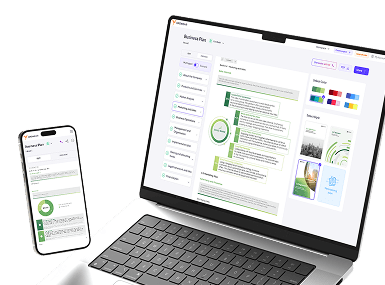
Growexa builds a complete, lender-ready business plan — with financial logic and a professionally formatted PDF
If a loaf bakes perfectly but no one knows, does it really exist? Marketing is the oxygen of your bakery business — the bridge between the ovens and your audience. Understanding how to start a bakery that draws crowds means mastering visibility long before the grand opening.

Start with pre-launch storytelling. Document your journey: the first recipe test, the design of your logo, the day your ovens arrive. Use social media to build curiosity and anticipation. Behind-the-scenes content humanizes your brand and turns followers into early customers.
Then, activate your community. Partner with local coffee shops, farmers’ markets, or nearby florists for cross-promotions. Offer pop-up tastings to test products and collect feedback. These grassroots moves cost less than paid ads but yield higher engagement — crucial lessons in how to start a bakery that connects authentically.
Your digital presence matters as much as your storefront. Build a mobile-friendly website with an online ordering option. Search-engine optimization (SEO) ensures that when someone searches “best croissant near me”, your bakery business appears first. Collect customer emails and offer loyalty perks — free pastries, birthday discounts, or seasonal previews.
Don’t ignore local media and influencers. A feature in a lifestyle magazine or food blog can catapult awareness. Consistent PR storytelling — your sourcing ethics, design philosophy, or family tradition — differentiates your bakery business from competitors who simply sell bread.
Launch day is a milestone, not an endpoint. Host soft openings, gather testimonials, and treat your first customers as ambassadors. The true art of how to start a bakery lies in balancing hype with follow-through — ensuring that every visit after launch feels just as special as the first.
Sustaining growth is where most bakers stumble. They know how to start a bakery but not how to manage or expand it. Financial literacy is the yeast of business longevity — invisible, but vital.
Begin with rigorous bookkeeping. Track daily sales, ingredient costs, and waste percentages. Profitability in the bakery business hinges on controlling variable costs — energy, packaging, and perishables. Use cloud accounting tools for real-time insights, and schedule monthly financial reviews.
Cash flow management is non-negotiable. Revenue peaks during weekends or holidays but drops midweek; rent and salaries remain constant. Understanding how to start a bakery that thrives year-round means planning cash reserves and staggered production schedules.
Scaling requires discipline. Don’t rush to open a second location until your first operates autonomously. Explore wholesale or catering contracts first — these extend reach without heavy fixed costs. E-commerce can further boost margins: pre-order pastries, subscription boxes, or branded merchandise expand the bakery business beyond foot traffic.
Innovation keeps your brand fresh. Rotate seasonal products, collaborate with local artisans, or launch baking workshops. Customers love experiences as much as flavors. Founders who know how to start a bakery that endures continuously reinvent without losing authenticity.
Above all, stay financially transparent. Whether dealing with investors, partners, or staff, clarity breeds trust. In an era of fast-changing tastes, the most successful bakery businesses are those built on both creativity and control.
A bakery business is never just about bread — it’s about belonging. It transforms early mornings and simple ingredients into daily rituals that connect people through flavor, memory, and trust. Understanding how to start a bakery means understanding that every loaf carries both craftsmanship and calculation, art and accounting.
Behind every display of golden croissants stands a system — of sourcing, training, forecasting, and branding — that turns passion into performance. A strong business model ensures your ovens never cool; a strong culture ensures your brand never loses warmth.
The modern bakery business is evolving: it’s digital yet artisanal, data-driven yet deeply human. Entrepreneurs who master how to start a bakery with this balance don’t just feed communities — they build them.
Ready to bring your bakery vision to life? Download the Bakery Business Plan Template and adapt it to your concept — or use Growexa to design your own strategic plan, financial forecasts, and growth roadmap. With clarity, creativity, and commitment, your bakery can become not just a destination, but a daily necessity.
The cost depends on your model and scale. A home-based micro-bakery may launch with as little as $20,000, while a full retail bakery business with seating and espresso service may require $150,000–$400,000. Understanding how to start a bakery financially means mapping out fixed costs (rent, equipment, licenses) and variable costs (ingredients, packaging, marketing). Smart founders often lease heavy equipment initially, allowing cash flow to stabilize before major capital outlays.
Differentiation begins with storytelling and experience. Knowing how to start a bakery that stands out means aligning product, brand, and values. Highlight a unique niche — sourdough mastery, French-style pastries, vegan or gluten-free innovation — and weave that identity into every detail from packaging to playlist. Modern customers connect with authenticity; your bakery business should represent a clear point of view, not a generic product line.
Visibility and accessibility matter more than size. A successful bakery business thrives where convenience meets emotion — near offices for morning commuters, residential neighborhoods for daily bread buyers, or lifestyle districts for weekend indulgence. Learning how to start a bakery means understanding traffic patterns, parking, and local demographics. High-rent areas can pay off if foot traffic converts to loyal customers, but strong community bonds often outperform expensive addresses.
Profitability in a bakery business relies on balance — precision forecasting, smart scheduling, and efficient waste management. Use historical data to predict demand, rotate production through smaller batches, and repurpose leftovers creatively (e.g., day-old bread into croutons or puddings). Entrepreneurs who understand how to start a bakery operationally also understand portion control, dynamic pricing, and product mix optimization — combining art with analytics to protect margins.
The top pitfalls are emotional pricing, poor cost tracking, and underestimating management complexity. Many first-time founders focus too heavily on product and ignore systems. To truly master how to start a bakery, treat it as a scalable business — not a hobby. Overstaffing, neglecting marketing, and failing to adapt to seasonality can also drain cash fast. The best bakery businesses evolve through discipline: weekly financial reviews, supplier negotiations, and constant customer feedback.

