
Stop editing templates
Start building a plan that gets approved
Turn this template into a complete business plan with:
- Financial projections
- Loan-ready structure
- Clear repayment logic
Based on 40+ bank requirements

The global retail landscape is undergoing a profound transformation as consumers increasingly reconsider the environmental impact of everyday purchasing decisions. Concerns about plastic pollution, resource depletion, and climate change have fueled a growing movement toward sustainable consumption. Within this shift, the Zero-Waste Store has emerged as one of the most innovative retail models of the modern sustainability economy. Rather than relying on disposable packaging and high-waste supply chains, a Zero-Waste Store focuses on reusable containers, refillable goods, and carefully selected eco-friendly products.
Customers who shop at a Zero-Waste Store are often motivated by a desire to reduce their personal environmental footprint while supporting businesses that align with their values. These stores frequently offer bulk foods, household products, personal care items, and cleaning supplies that customers can purchase using reusable containers. The model encourages responsible consumption while strengthening the connection between customers and the origin of the products they buy.
However, building a successful Zero-Waste Store requires more than a sustainability mission. Product sourcing, supplier relationships, consumer education, operational efficiency, and financial sustainability must all align for the business to succeed. In this environment, a comprehensive business plan becomes essential. A well-developed business plan transforms a Zero-Waste Store from an environmentally motivated idea into a scalable retail enterprise capable of influencing consumer habits while maintaining profitability.
This Zero-Waste Store Business Plan provides the strategic framework necessary to launch and grow a sustainable retail business. It integrates environmental responsibility, product strategy, operational systems, and financial forecasting to support long-term success within the green retail sector.
Turn this template into a complete business plan with:
Based on 40+ bank requirements


Most business plans fail not because of the idea — but because the numbers don’t prove repayment.
Build a bank-ready business plan in minutes
(with projections, structure, and validation)
The Executive Summary introduces the Zero-Waste Store as a specialty retail business dedicated to reducing packaging waste while offering sustainable products for everyday living. The mission outlined in this business plan is to create a Zero-Waste Store that empowers customers to shop responsibly while maintaining convenience and product quality.
The Zero-Waste Store differentiates itself through bulk purchasing systems, refillable packaging options, and a curated selection of environmentally responsible products. Instead of selling items in disposable packaging, the business plan emphasizes reusable containers and refill stations that allow customers to purchase only the quantities they need.
Product categories offered by the Zero-Waste Store may include dry food goods, spices, grains, nuts, eco-friendly cleaning products, personal care items, reusable household supplies, and sustainable lifestyle accessories. The business plan highlights the importance of sourcing products from suppliers who prioritize ethical production and minimal packaging.
Revenue streams for the Zero-Waste Store include in-store bulk product sales, reusable container purchases, sustainable product retail, and potential online orders. By combining sustainability principles with efficient retail operations, the Zero-Waste Store creates a business model that aligns environmental impact with financial viability.
The Company Overview defines the structure and identity of the Zero-Waste Store. The business operates as a retail environment designed to minimize waste while providing customers with high-quality sustainable products.
The business plan outlines ownership structure, retail licensing requirements, and food safety regulations relevant to bulk food sales. Compliance with health standards and packaging regulations is essential to maintaining customer trust in a Zero-Waste Store.
The physical store layout is designed to support refill systems and bulk purchasing. Storage containers, dispensers, and labeling systems allow customers to measure and purchase products efficiently using reusable jars or containers.
Operationally, the Zero-Waste Store relies on structured inventory management systems and strong supplier relationships. The business plan explains how bulk purchasing and local sourcing help maintain product freshness while reducing transportation waste.
Location strategy also plays a significant role in the success of a Zero-Waste Store. Urban neighborhoods with environmentally conscious communities often provide strong demand for sustainable retail alternatives.
The Market Analysis examines the growing consumer interest in sustainable retail solutions. Environmental awareness continues to shape purchasing decisions as individuals seek ways to reduce waste in their daily lives.
The business plan identifies several key customer segments served by the Zero-Waste Store. Environmentally conscious consumers represent the core audience, but the store also appeals to health-focused shoppers interested in natural products. Families seeking eco-friendly household alternatives and young professionals adopting sustainable lifestyles also contribute to market demand.
Competition may come from traditional grocery stores offering limited organic or eco-friendly products, as well as specialty health food retailers. However, the business plan highlights the advantage of a dedicated Zero-Waste Store that offers a complete retail experience focused on sustainability.
Social media awareness and environmental advocacy have significantly contributed to the visibility of zero-waste lifestyles. This cultural momentum creates strong opportunities for businesses aligned with sustainability principles.
Marketing for a Zero-Waste Store focuses heavily on education and community engagement. This section of the business plan outlines strategies designed to build awareness about sustainable consumption.
The Zero-Waste Store leverages social media platforms to share educational content about waste reduction, product sourcing, and eco-friendly lifestyle tips. Demonstrations of refill systems and reusable products help customers understand how the store operates.
Community events such as sustainability workshops, zero-waste challenges, and environmental talks strengthen customer relationships while positioning the Zero-Waste Store as a local sustainability leader.
Collaborations with environmental organizations, eco-conscious influencers, and sustainable product brands further expand brand visibility.
Loyalty programs encourage repeat visits and reward customers who adopt reusable shopping habits.
The Operations Plan explains how the Zero-Waste Store manages daily retail activities. Bulk product management requires precise inventory control and hygiene standards.
The business plan outlines procedures for supplier deliveries, product refilling, container cleaning protocols, and customer guidance on refill processes. Maintaining cleanliness and accurate labeling is essential to ensure safe food handling.
Retail staff play a key role in educating customers about product usage and refill procedures. Clear instructions and supportive service help create a positive shopping experience.
Operational efficiency also involves monitoring product demand to avoid excess stock while ensuring popular items remain available.
No connection between:
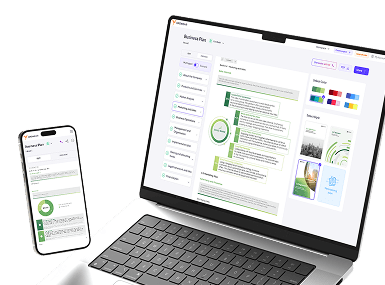
Growexa builds a complete, lender-ready business plan — with financial logic and a professionally formatted PDF
The Management and Organization section describes the leadership structure of the Zero-Waste Store. The business may be led by an entrepreneur passionate about sustainability or a retail professional with experience in environmentally responsible business practices.
Additional team members may include store associates, inventory managers, and marketing coordinators responsible for promoting sustainable initiatives.
Employee training emphasizes sustainability knowledge and customer engagement. Staff members are encouraged to understand the environmental benefits of the products offered in the Zero-Waste Store.
A collaborative and mission-driven team culture strengthens the brand identity and reinforces the store’s environmental values.
Launching a Zero-Waste Store requires investment in bulk dispensers, reusable container systems, store design, and initial product inventory. This section of the business plan outlines funding requirements and financial allocation strategies.
Initial capital may come from personal investment, sustainability-focused investors, or small business financing programs that support environmentally responsible businesses. Funds are allocated toward store fixtures, refill systems, supplier partnerships, and marketing initiatives.
The business plan also includes contingency reserves that support operations during the early stages while the Zero-Waste Store builds a loyal customer base.
The Financial Plan translates the Zero-Waste Store concept into a structured financial model. Revenue projections are based on product pricing, customer traffic, and average purchase value.
Operating expenses include bulk product procurement, employee wages, retail rent, utilities, and marketing costs. The business plan outlines financial forecasts demonstrating how the Zero-Waste Store can achieve profitability while maintaining its sustainability mission.
As the brand grows, additional opportunities such as subscription refill programs, online sales, and private-label eco products may expand revenue streams.
The global shift toward sustainability has created a new generation of retail concepts that align environmental responsibility with economic opportunity. A well-designed Zero-Waste Store can become a community hub where consumers discover practical ways to reduce waste and live more sustainably.
However, success in this sector requires careful planning, operational discipline, and a clear understanding of consumer behavior. A comprehensive business plan provides the roadmap necessary to transform a sustainability vision into a thriving retail enterprise.
Entrepreneurs entering the green retail market often rely on planning platforms such as Growexa to structure their ideas, develop financial models, and create investor-ready business plans. With a well-developed business plan guiding its development, a Zero-Waste Store can help shape the future of sustainable retail while building a profitable and impactful business.
A Zero-Waste Store operates within a unique retail model that focuses on bulk sales, reusable packaging, and sustainable sourcing. A well-developed business plan outlines supplier partnerships, refill systems, operational workflows, and financial projections, ensuring the Zero-Waste Store can balance environmental goals with long-term profitability.
A comprehensive business plan typically includes bulk food items such as grains, nuts, and spices, along with eco-friendly household products, refillable cleaning supplies, natural personal care items, and reusable lifestyle accessories. This diverse product mix allows a Zero-Waste Store to support customers looking to reduce waste in everyday life.
The primary customers of a Zero-Waste Store are environmentally conscious consumers who want to reduce packaging waste and support sustainable businesses. A strong business plan often targets eco-conscious families, young professionals, and individuals interested in minimalism and sustainable living.
A Zero-Waste Store minimizes packaging waste by offering refill stations, bulk product dispensers, and reusable container options. Customers bring their own containers or purchase reusable ones in-store. A structured business plan ensures these systems operate efficiently while maintaining hygiene and product safety standards.
A Zero-Waste Store should review and update its business plan when expanding product categories, launching online refill programs, opening additional locations, or adapting to new sustainability regulations and consumer trends. Regular updates help the business remain competitive in the evolving sustainable retail market.

