
Stop editing templates
Start building a plan that gets approved
Turn this template into a complete business plan with:
- Financial projections
- Loan-ready structure
- Clear repayment logic
Based on 40+ bank requirements

The Wine Shop has evolved far beyond a simple retail outlet for bottles. In today’s market, a successful Wine Shop is a curated experience, a center of expertise, and a lifestyle brand that connects culture, craftsmanship, and commerce. As consumers become more educated about wine origins, varietals, sustainability, and food pairing, expectations for a Wine Shop have risen dramatically. Competition comes not only from other brick-and-mortar stores but also from supermarkets, online retailers, subscription services, and direct-to-consumer wineries. In this environment, passion for wine is not enough. A comprehensive business plan is essential to transform a Wine Shop concept into a profitable, resilient retail business. The business plan aligns product selection, customer experience, operations, and financial strategy into a coherent framework that supports long-term growth.
Opening a Wine Shop without a business plan often results in unfocused inventory, weak differentiation, regulatory issues, and cash-flow pressure. Wine retail ties up capital in stock, requires strict compliance with alcohol regulations, and depends heavily on reputation and trust. A strong business plan clarifies the identity of the Wine Shop, the customers it serves, and the value it delivers. It ensures that purchasing decisions, pricing strategy, staffing, and marketing are intentional rather than reactive. In a category where storytelling and expertise drive loyalty, the business plan becomes the foundation for sustainable success.
Turn this template into a complete business plan with:
Based on 40+ bank requirements


Most business plans fail not because of the idea — but because the numbers don’t prove repayment.
Build a bank-ready business plan in minutes
(with projections, structure, and validation)
The Executive Summary presents the Wine Shop as a specialized retail business focused on curated wine selection, expert guidance, and memorable customer experience. This section of the business plan defines the mission of the Wine Shop, whether centered on premium wines, everyday value, natural and organic selections, regional specialties, or a hybrid model combining retail and tasting.
The business plan outlines target customers such as enthusiasts, casual buyers, gift shoppers, restaurants, and corporate clients. Revenue streams may include bottle sales, tastings, events, subscriptions, corporate gifting, and complementary products. By summarizing positioning, scale, and financial goals, the Executive Summary establishes the Wine Shop as a professionally structured venture guided by a clear business plan.
The Company Overview defines the structure, identity, and strategic foundation of the Wine Shop. This section of the business plan explains the legal entity, ownership model, and regulatory framework governing alcohol retail. Licensing, age verification, taxation, and compliance are central considerations fully integrated into the business plan.
The business plan describes the Wine Shop’s concept, including assortment strategy, price range, and sourcing philosophy. It explains relationships with distributors, importers, and wineries, as well as criteria for selecting wines based on quality, margin, and customer demand. The Wine Shop’s brand identity is shaped by its curation, atmosphere, and expertise rather than sheer volume.
Location strategy is also addressed. The business plan explains site selection based on foot traffic, demographics, accessibility, and complementary businesses. Store design and layout reinforce discovery and education. The Company Overview positions the Wine Shop as both a retail destination and a disciplined commercial operation.
The Market Analysis examines demand drivers shaping the wine retail sector. Wine consumption patterns are influenced by lifestyle trends, income levels, dining culture, and generational preferences. A strong business plan analyzes local demographics, spending habits, and competition to identify realistic demand for the Wine Shop.
The business plan evaluates competitors including supermarkets, specialty stores, online platforms, and winery direct sales. Differentiation is essential. The Market Analysis identifies opportunities in curated selection, staff expertise, tasting experiences, local relevance, and personalized recommendations.
Customer segmentation is explored across everyday consumers, collectors, gift buyers, and hospitality clients. Each group has distinct price sensitivity and purchasing behavior. By grounding decisions in market insight, the business plan ensures the Wine Shop competes on value and experience rather than price alone.
The Marketing and Sales Strategy outlines how the Wine Shop attracts customers, builds loyalty, and drives repeat purchases. Wine retail is inherently experiential, making storytelling and education central. The business plan explains how the Wine Shop communicates its identity through content, events, and in-store engagement.
Marketing channels include digital presence, social media, email marketing, tastings, partnerships, and community involvement. The business plan emphasizes education-based marketing that positions the Wine Shop as a trusted guide rather than a transactional seller.
Sales strategy focuses on average basket size, repeat visits, and subscription growth. Pricing reflects perceived value, exclusivity, and service. The business plan outlines promotions, seasonal campaigns, and private selections. By aligning marketing creativity with sales discipline, the Wine Shop builds predictable revenue.
The Operations Plan details how the Wine Shop functions daily. This section of the business plan describes inventory management, receiving procedures, storage conditions, and stock rotation. Operational discipline is essential, as wine inventory represents a major capital investment.
The business plan explains point-of-sale systems, customer data management, and compliance controls. Staff scheduling, training, and service standards ensure consistent customer experience. Handling of tastings, events, and special orders is integrated into workflows.
Risk management is also addressed. The Operations Plan accounts for breakage, spoilage, regulatory inspections, and supply disruptions. By defining standardized procedures, the business plan ensures the Wine Shop operates efficiently and compliantly.
No connection between:
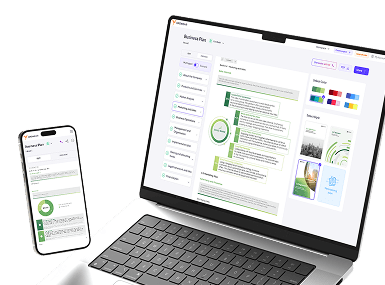
Growexa builds a complete, lender-ready business plan — with financial logic and a professionally formatted PDF
The Management and Organization section introduces the leadership behind the Wine Shop. It outlines experience in wine retail, hospitality, distribution, or entrepreneurship. Strong leadership ensures both product integrity and financial control.
The business plan defines roles such as store manager, wine specialists, sales associates, and administrative support. Training emphasizes product knowledge, customer engagement, and compliance. Clear organizational structure supports accountability and scalability.
This section demonstrates that the Wine Shop is professionally managed rather than purely passion-driven.
Launching a Wine Shop requires capital for inventory, licensing, store build-out, marketing, and working capital. This section of the business plan outlines startup costs and potential funding sources such as owner investment, loans, or strategic partners.
The business plan explains how funds are allocated to balance selection depth, cash flow, and growth. Disciplined capital allocation ensures the Wine Shop can build inventory gradually without financial strain.
The Financial Plan translates the Wine Shop strategy into financial projections. This section of the business plan includes revenue forecasts based on foot traffic, conversion rates, average spend, and subscription uptake.
Expense projections include cost of goods sold, rent, labor, marketing, and compliance costs. The business plan provides cash-flow projections, breakeven analysis, and multi-year profitability scenarios. Risk mitigation addresses inventory turnover and demand variability.
A successful Wine Shop blends curation, expertise, and operational discipline. While wine retail is rooted in passion and culture, only businesses guided by a structured business plan achieve lasting success. By aligning selection strategy, customer experience, operations, and financial planning, the business plan transforms a Wine Shop into a resilient and scalable retail enterprise. With the right foundation, a Wine Shop can become both a trusted local institution and a profitable long-term business.
Ready to bring your wine shop concept to life? Download the wine shop business plan template and adapt it to your own vision. You can also explore a fully completed wine shop business plan example to see how the framework works in practice.
Entrepreneurs ready to launch or grow a Wine Shop can leverage platforms like Growexa, where expert planning tools turn retail concepts into polished, investor-ready business plans designed for sustainable growth.
Wine Shops with a clear focus—such as curated selections, premium wines, natural or organic bottles, or strong community engagement—often outperform generic retailers. A strong business plan defines the Wine Shop’s niche and aligns selection, pricing, and experience with customer expectations.
Yes, with disciplined systems. A Wine Shop can scale through standardized purchasing, private labels, online sales, or additional locations. A clear business plan outlines expansion strategy, capital needs, and operational controls to ensure growth without losing brand identity or financial stability.

