
Stop editing templates
Start building a plan that gets approved
Turn this template into a complete business plan with:
- Financial projections
- Loan-ready structure
- Clear repayment logic
Based on 40+ bank requirements

In the modern digital economy, a company’s website has become its most visible and influential business asset. Whether for startups launching their first product, established companies expanding into new markets, or local businesses seeking online credibility, the quality of a website often determines how customers perceive a brand. Within this landscape, the professional Web Design Agency has emerged as a critical partner for organizations seeking to build effective digital experiences. A website today is no longer a simple online brochure; it is a platform for communication, branding, sales, and customer engagement.
The demand for digital presence continues to expand across industries as businesses increasingly rely on websites to attract customers, generate leads, and deliver services. From e-commerce platforms to portfolio sites and corporate portals, every organization requires a reliable digital interface that reflects its identity and capabilities. As a result, the Web Design Agency sector has grown into a dynamic professional services market where creative design, technical development, and strategic thinking intersect.
However, launching a successful Web Design Agency requires more than design skills or coding ability. Client acquisition, project management, service positioning, operational efficiency, and financial planning all play essential roles in building a sustainable agency model. In this environment, a structured business plan becomes indispensable. A well-developed business plan transforms a Web Design Agency concept into a scalable service enterprise capable of managing projects, building long-term client relationships, and generating predictable revenue.
This Web Design Agency Business Plan provides a comprehensive strategic framework for launching and growing a professional digital design company. It integrates market positioning, service development, operational processes, and financial planning to support long-term agency success.
Turn this template into a complete business plan with:
Based on 40+ bank requirements


Most business plans fail not because of the idea — but because the numbers don’t prove repayment.
Build a bank-ready business plan in minutes
(with projections, structure, and validation)
The Executive Summary introduces the Web Design Agency as a professional digital service provider specializing in website design, user experience optimization, and digital brand development. The mission outlined in this business plan is to create a Web Design Agency that helps businesses build visually compelling, technically robust, and strategically effective websites that support long-term growth.
The Web Design Agency differentiates itself through a combination of design creativity, technical expertise, and client-focused collaboration. Instead of offering generic website templates, the business plan positions the Web Design Agency as a strategic partner capable of delivering customized digital solutions tailored to each client’s objectives.
Core services offered by the Web Design Agency may include website design, responsive development, user experience optimization, e-commerce integration, website maintenance, and search engine optimization support. The business plan emphasizes a service model that balances creative design with measurable business outcomes.
Revenue streams include project-based website development, ongoing website maintenance contracts, consulting services, and digital strategy packages. By combining creative talent with structured service processes, the Web Design Agency can establish itself as a reliable partner for businesses seeking high-quality digital experiences.
The Company Overview defines the operational structure and identity of the Web Design Agency. The business operates as a professional digital service company focused on website design, development, and online brand presence.
The business plan outlines ownership structure, service agreements, intellectual property considerations, and client contract policies relevant to the Web Design Agency model. Clear legal frameworks ensure transparency in project deliverables, payment terms, and service expectations.
The agency may operate as a remote-first organization, a hybrid studio environment, or a traditional office-based team depending on the scale of operations. The business plan explains how collaborative digital tools allow the Web Design Agency to coordinate design, development, and client communication efficiently.
Operational workflows include project discovery, design prototyping, development, testing, and final website deployment. Structured processes help ensure that the Web Design Agency delivers projects on schedule while maintaining quality standards.
Location considerations are flexible because most Web Design Agency services can be delivered remotely. However, maintaining strong digital communication infrastructure is essential for client collaboration.
The Market Analysis evaluates the rapidly expanding demand for professional website development services. As digital transformation accelerates across industries, businesses increasingly rely on websites to serve as central communication platforms.
The business plan identifies several key customer segments served by the Web Design Agency. Small and medium-sized businesses represent a significant market as many organizations require professional websites to compete online. Startups also rely heavily on design agencies to create brand identities and launch digital platforms quickly.
E-commerce retailers represent another growing market segment because online sales require reliable website infrastructure and user-friendly design. Additionally, professional service providers such as consultants, law firms, and healthcare practices require strong online visibility.
Competition in the Web Design Agency sector may come from freelance designers, large digital marketing agencies, and website builder platforms. However, the business plan highlights the advantage of a specialized Web Design Agency that combines creative expertise with personalized service.
Digital trends such as mobile-first design, user experience optimization, and accessibility standards continue to expand the importance of professional web design services.
Marketing for a Web Design Agency relies heavily on credibility and portfolio visibility. This section of the business plan outlines strategies designed to attract potential clients and build professional authority.
The Web Design Agency showcases completed projects through an online portfolio that demonstrates design quality and technical expertise. Case studies highlighting measurable results can significantly influence client decisions.
Search engine optimization and content marketing play important roles in generating organic leads. Educational articles about website strategy, design trends, and digital branding help position the Web Design Agency as an industry authority.
Networking with startup communities, business associations, and entrepreneurial organizations can also generate new client opportunities.
Referral programs encourage satisfied clients to recommend the Web Design Agency to other businesses seeking digital services.
The Operations Plan explains how the Web Design Agency manages project workflows and client communication. Structured project management systems ensure that each stage of website development progresses efficiently.
The business plan outlines key operational phases including client consultation, design concept development, website coding, testing, and final launch.
Project management tools help coordinate tasks among designers, developers, and account managers. Clear communication channels ensure that clients remain informed about project progress.
Quality assurance procedures are implemented to verify website performance, responsiveness, and security before final delivery.
Operational efficiency allows the Web Design Agency to handle multiple client projects while maintaining high service standards.
No connection between:
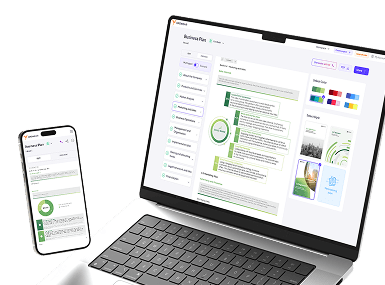
Growexa builds a complete, lender-ready business plan — with financial logic and a professionally formatted PDF
The Management and Organization section describes the leadership structure of the Web Design Agency. The company may be led by a founder with expertise in web design, digital marketing, or software development.
Additional team members may include UI/UX designers, front-end developers, back-end developers, project managers, and digital marketing specialists.
Employee training focuses on emerging design trends, coding frameworks, and user experience principles. Continuous learning ensures that the Web Design Agency remains competitive in a rapidly evolving technology landscape.
A collaborative team culture encourages creativity, innovation, and efficient problem-solving.
Launching a Web Design Agency requires investment in design software, development tools, marketing infrastructure, and operational systems. This section of the business plan outlines funding requirements and capital allocation strategies.
Initial funding may come from personal investment, technology-focused investors, or small business financing programs. Funds are allocated toward software licenses, digital infrastructure, marketing campaigns, and operational overhead.
The business plan also includes contingency funds that support early operational costs while the Web Design Agency builds its client portfolio.
The Financial Plan translates the Web Design Agency concept into a structured financial framework. Revenue projections are based on average project value, client acquisition rates, and recurring maintenance contracts.
Operating expenses include employee salaries, software subscriptions, marketing investments, administrative costs, and operational overhead. The business plan outlines financial forecasts demonstrating how the Web Design Agency can achieve profitability through efficient project management and strong client retention.
Additional revenue opportunities may include subscription-based website maintenance services, digital consulting packages, and long-term development partnerships.
In the digital-first business environment, websites have become essential tools for communication, marketing, and commerce. A well-executed Web Design Agency can help organizations translate their ideas into powerful digital experiences that attract customers and strengthen brand identity.
However, building a successful digital agency requires careful planning, operational discipline, and a clear understanding of market demand. A comprehensive business plan provides the roadmap necessary to transform creative design capabilities into a sustainable and scalable service business.
Entrepreneurs launching digital service companies often benefit from structured planning platforms such as Growexa, which help founders organize strategy, forecast financial performance, and create investor-ready business plans. With a well-developed business plan guiding its development, a Web Design Agency can deliver innovative digital solutions while building a thriving and competitive agency brand.
A Web Design Agency operates in a competitive digital services market where client acquisition, project management, and service positioning must be carefully structured. A well-developed business plan outlines target markets, service offerings, pricing strategies, operational workflows, and financial projections, helping the agency grow in a sustainable and organized way.
A comprehensive business plan typically includes services such as website design, responsive development, user experience optimization, e-commerce website creation, website maintenance, and basic search engine optimization support. Clearly defining these services helps a Web Design Agency position itself effectively in the digital services market.
Successful agencies often rely on strong portfolios, search engine visibility, content marketing, networking with business communities, and referral programs from satisfied clients. A strategic business plan outlines marketing channels and lead generation strategies that consistently attract new projects.

