
Stop editing templates
Start building a plan that gets approved
Turn this template into a complete business plan with:
- Financial projections
- Loan-ready structure
- Clear repayment logic
Based on 40+ bank requirements

Walk into any thriving city district and you’ll find coffee shops on every corner, yet increasingly, tea houses are reclaiming space as cultural and commercial hubs. They are more than beverage outlets; they are sanctuaries of calm in busy environments, gathering spaces where rituals of tradition meet contemporary tastes. Launching a tea house appeals to entrepreneurs who see potential in wellness, community, and lifestyle branding. But translating that vision into a functioning business requires discipline. A tea house business plan is not a ceremonial accessory. It is a strategic framework that blends heritage, hospitality, and economics into a roadmap investors can trust and operators can execute.
Unlike other hospitality ventures, a tea house balances atmosphere with product differentiation. Customers are not merely purchasing cups of green or black tea; they are buying into a ritual that communicates authenticity, wellness, and belonging. This makes the business plan more complex: it must address not only supply chains and pricing but also ambiance, cultural resonance, and the experiential value of lingering over a pot of tea. For lenders, the plan demonstrates that an entrepreneur is disciplined. For founders, it becomes a manual for transforming atmosphere into profitability.
Turn this template into a complete business plan with:
Based on 40+ bank requirements


Most business plans fail not because of the idea — but because the numbers don’t prove repayment.
Build a bank-ready business plan in minutes
(with projections, structure, and validation)
The first section of any business plan is the articulation of identity. For a tea house, this cannot be generic. Investors want clarity on whether the concept is rooted in Eastern traditions, focused on herbal wellness infusions, or positioned as a modern fusion blending teas with pastries and light meals. Each positioning comes with different operational requirements and attracts different demographics.
A strong plan translates concept into measurable goals. Instead of saying, “We will serve premium teas,” the document might specify: “Our vision is to build a tea house with 80 percent of offerings sourced directly from certified estates in Asia and Africa, targeting 1,000 loyal members within the first 24 months.” These details show that identity is more than branding—it is an operational strategy.
The narrative should also explain the founder’s motivation. Was the business inspired by time spent in tea-producing regions? Or by recognizing a local gap where coffee dominates but wellness-oriented customers crave alternatives? By connecting personal story to market opportunity, the business plan gains authenticity.
The global tea industry is valued in the hundreds of billions, with growth driven by wellness trends and shifting consumer behavior away from sugary beverages. But investors do not care about global numbers unless they connect to local execution. The plan must describe the target city or neighborhood: Who are the potential customers? Are they students, professionals, or wellness seekers? How saturated is the café landscape, and what portion of it is devoted to tea?
Competitor analysis cannot be generic. Coffee shops may dominate the market, but their business model differs fundamentally from a tea house. At the same time, bubble tea outlets are growing rapidly, targeting a younger demographic with sweetened and flavored options. A credible tea house business plan must identify how it will position itself against both direct competitors (other specialty tea venues) and indirect ones (cafés, juice bars, casual dining outlets).
Consumer behavior analysis is critical. Surveys show that today’s tea consumers value authenticity, sustainable sourcing, and ritualized experiences. They are also influenced by digital platforms: Instagram aesthetics drive traffic just as much as word-of-mouth. Positioning the business as not just a beverage outlet but as a cultural or wellness destination provides an edge.
Operations in a tea house business plan are not hidden behind the counter; they define the customer experience. From the moment guests step inside, they evaluate lighting, aroma, furniture, and the quiet cadence of service. A successful business plan must show how ambiance is deliberately curated rather than incidental.
Location matters greatly. A tea house near universities attracts study groups; one near offices targets professional gatherings; a suburban site might focus on family-oriented leisure. The plan should justify why a particular location aligns with the intended demographic.
Interior design and equipment choices carry both functional and symbolic weight. Tea preparation requires precision—water filtration systems, temperature-controlled kettles, storage containers that preserve leaves. At the same time, décor communicates brand ethos. Minimalist interiors suggest modernity, while traditional wood and ceramics evoke heritage. Investors want to see that every operational choice reinforces positioning.
Capacity planning is another operational cornerstone. How many tables can the venue accommodate without compromising comfort? What is the average dwell time per guest, and how does that influence daily turnover? By presenting these calculations, the plan proves that ambiance and efficiency can coexist.
Behind every memorable tea house are the people who guide the experience. Unlike fast food staff, tea servers often act as educators, introducing customers to varieties, preparation methods, and cultural context. This makes human capital an even greater determinant of success.
The business plan should profile leadership credentials. Whether the founder brings hospitality experience or tea expertise, investors need assurance that management can balance both artistry and logistics.
Staffing strategies must emphasize training. Knowledge of tea varieties, brewing techniques, and customer engagement transforms service from functional to memorable. Turnover erodes credibility, so retention plans—competitive wages, career progression, cultural immersion programs—should be explicit. Organizational scalability must also be addressed. As the tea house grows, will there be specialized roles such as tea sommeliers, event coordinators, or retail managers? Anticipating organizational evolution shows foresight.
In tea, marketing is inseparable from narrative. Customers don’t just want hot beverages; they want stories of mountain estates in Darjeeling or herbal remedies passed down generations. A credible business plan demonstrates how marketing will weave those stories into brand identity.
Digital presence is central. Instagram, TikTok, and YouTube are platforms for visual storytelling—videos of brewing rituals, close-ups of rare leaves, or behind-the-scenes sourcing trips. The plan should describe how these channels will align with brand values.
Community engagement is equally powerful. Hosting tea ceremonies, workshops, or wellness events can build customer loyalty beyond transactions. Partnerships with yoga studios, bookstores, or cultural institutions extend reach and embed the tea house within a broader ecosystem.
Pricing strategy must be coherent. Premium single-origin teas can command high prices if customers perceive authenticity and ritual. At the same time, accessible entry points—like daily brewed blends—expand the customer base. Balancing exclusivity with inclusivity creates resilience.
Opening a tea house requires significant startup capital. Leasehold improvements, interior design, specialized equipment, and initial inventory all represent upfront costs. The business plan must break these into transparent categories to reassure lenders and investors.
Funding sources should also be described. Will the venture rely on personal equity, small business loans, angel investors, or cultural grants? A combination often signals prudence.
Allocation of funds over time matters. Early investment may emphasize ambiance and marketing to establish identity. Later phases may focus on expanding product lines, adding retail tea sales, or investing in e-commerce infrastructure. Showing this phased approach prevents concerns about overspending upfront.
No connection between:
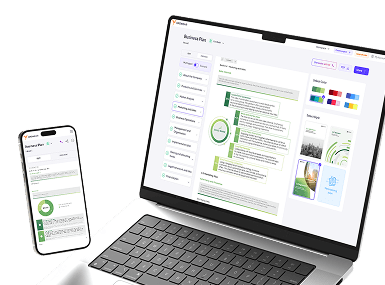
Growexa builds a complete, lender-ready business plan — with financial logic and a professionally formatted PDF
Financial projections anchor credibility. They must begin with clear assumptions: average spend per guest, daily traffic, dwell time, and percentage of retail versus in-house sales. By tying numbers to behavior, the plan avoids abstraction.
Revenue streams should be diversified. Core sales may come from in-house beverages, but retail tea packages, events, and even online sales can stabilize cash flow. The plan should describe how these streams evolve over the first three years.
Expenses require equal rigor. Rent, payroll, utilities, marketing, and tea imports are predictable categories. Maintenance of equipment and spoilage must also be considered.
Cash flow forecasting is particularly important in hospitality. The plan should show how liquidity will be managed during off-peak months. Reserves, credit facilities, or seasonal promotions can provide stability. Break-even analysis must reflect industry reality. Many tea houses take two to three years to achieve profitability, depending on location and scale. Presenting conservative timelines signals discipline.
Beyond initial success, investors want to know whether the tea house can scale. The business plan should describe long-term strategies, such as opening additional locations, launching branded packaged teas, or creating franchising opportunities.
Technology adoption supports longevity. Online ordering, delivery partnerships, and loyalty apps are increasingly expected. Analytics tools can also track customer preferences, guiding menu evolution. Risk management must not be ignored. What if global tea prices rise? What if consumer trends shift toward substitutes like kombucha? A strong plan anticipates these risks and presents mitigation strategies—long-term contracts, product diversification, or innovative offerings.
A tea house is more than a hospitality venture; it is a cultural space that blends tradition, wellness, and commerce. Yet behind the quiet rituals of brewing lies a demanding business model that rewards foresight and punishes vagueness. A tea house business plan must therefore capture both the intangible—atmosphere, story, cultural resonance—and the tangible—operations, staffing, finances.
For entrepreneurs eager to transform vision into enterprise, the first step is structured clarity. By drafting a plan that speaks to investors, staff, and customers alike, you create a foundation as balanced as the perfect cup. Ready to brew your future? Explore a tailored tea house business plan template, review completed example for practical insights, and leverage expert planning tools at Growexa to design a roadmap as refined as the tea you’ll serve.

