
Stop editing templates
Start building a plan that gets approved
Turn this template into a complete business plan with:
- Financial projections
- Loan-ready structure
- Clear repayment logic
Based on 40+ bank requirements

The Taxi Service industry has experienced one of the most dramatic transformations in modern urban economics. Once defined by regulated fleets, dispatch radios, and fixed pricing, Taxi Service today exists within a dynamic mobility ecosystem shaped by digital platforms, changing consumer expectations, and evolving regulations. Despite the rise of ride-hailing apps and shared mobility, Taxi Service remains a vital component of transportation infrastructure in cities worldwide. Reliability, local knowledge, safety, and regulatory compliance continue to give Taxi Service a distinct role. However, success in this sector no longer depends on vehicles alone. A comprehensive business plan is essential to turn a Taxi Service concept into a profitable, resilient, and scalable operation. The business plan aligns fleet strategy, technology, operations, and financial discipline into a sustainable model.
Launching a Taxi Service without a business plan often results in inefficient fleet utilization, high operating costs, regulatory setbacks, and weak market positioning. Fuel prices, labor costs, licensing, and competition create constant pressure on margins. A strong business plan clarifies how the Taxi Service will compete, whom it will serve, and how it will adapt to technological change. It ensures that capital investment, driver management, and pricing strategies support long-term viability. In a mobility market defined by speed and convenience, the business plan becomes the foundation for strategic clarity and operational control.
Turn this template into a complete business plan with:
Based on 40+ bank requirements


Most business plans fail not because of the idea — but because the numbers don’t prove repayment.
Build a bank-ready business plan in minutes
(with projections, structure, and validation)
The Executive Summary presents the Taxi Service as a professional transportation business delivering reliable, on-demand mobility to individuals, businesses, and institutions. This section of the business plan defines the mission of the Taxi Service, whether focused on urban rides, airport transfers, corporate accounts, accessible transport, or premium services.
The business plan outlines target customers such as commuters, travelers, tourists, corporate clients, healthcare providers, and public institutions. Revenue streams may include metered fares, flat-rate services, contracts, subscriptions, and partnerships. By summarizing market positioning, fleet scale, and financial objectives, the Executive Summary establishes the Taxi Service as a structured enterprise supported by a clear business plan.
The Company Overview defines the structure, identity, and strategic foundation of the Taxi Service. This section of the business plan explains the legal entity, ownership model, and regulatory framework governing Taxi Service operations. Licensing, insurance, safety standards, and labor regulations are central considerations embedded within the business plan.
The business plan describes the fleet strategy, including vehicle types, ownership versus leasing decisions, fuel choices, and maintenance philosophy. Whether operating traditional sedans, hybrid vehicles, electric cars, or accessible vans, the Taxi Service aligns fleet composition with cost efficiency and customer expectations.
Brand identity is also addressed. The business plan explains how reliability, professionalism, and safety differentiate the Taxi Service in a crowded mobility market. Geographic focus, service coverage, and dispatch systems are defined to ensure consistency. The Company Overview positions the Taxi Service as a regulated, dependable alternative within the broader transportation landscape.
The Market Analysis examines demand drivers shaping the Taxi Service industry. Urbanization, tourism, aging populations, and gaps in public transportation continue to support demand for Taxi Service. A strong business plan analyzes local mobility patterns, peak demand periods, and customer preferences to forecast ride volume accurately.
The business plan evaluates competition from ride-hailing platforms, public transit, car rentals, and micro-mobility solutions. Differentiation is critical. The Market Analysis identifies opportunities in regulated service, fixed pricing, accessibility, professional drivers, and institutional contracts.
Customer segmentation is explored in depth. Business travelers value reliability and billing simplicity, while residents prioritize availability and safety. The business plan aligns service offerings, pricing, and availability with these segments. By grounding strategy in data and local insight, the business plan ensures the Taxi Service competes intelligently rather than reactively.
The Marketing and Sales Strategy outlines how the Taxi Service builds visibility, trust, and repeat usage. Transportation is a trust-based service, and the business plan emphasizes credibility, consistency, and ease of access.
Marketing channels include digital platforms, mobile apps, partnerships with hotels and businesses, local advertising, and institutional agreements. The business plan explains how brand presence, vehicle appearance, and driver professionalism reinforce trust.
Sales strategy focuses on balancing individual rides with long-term contracts. Corporate accounts, airport services, and healthcare transport provide predictable revenue streams. Pricing strategy reflects regulatory requirements, cost structure, and perceived value. By aligning marketing with operational capacity, the Taxi Service sustains demand without overextending resources.
The Operations Plan details how the Taxi Service functions on a daily basis. This section of the business plan describes dispatch systems, driver scheduling, vehicle maintenance, fuel management, and quality control. Operational efficiency directly impacts profitability.
The business plan explains how technology supports operations through GPS tracking, booking platforms, payment systems, and performance monitoring. Driver onboarding, training, and compliance processes ensure service consistency and safety.
Risk management is integral. The Operations Plan addresses accident response, insurance coordination, vehicle downtime, and regulatory audits. By defining standardized procedures, the business plan ensures the Taxi Service operates smoothly under variable conditions.
No connection between:
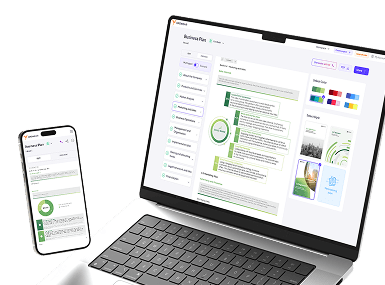
Growexa builds a complete, lender-ready business plan — with financial logic and a professionally formatted PDF
The Management and Organization section introduces the leadership behind the Taxi Service. It outlines experience in transportation, operations management, regulatory compliance, or entrepreneurship. Strong leadership is essential in a highly regulated and labor-intensive industry.
The business plan defines organizational roles such as fleet management, driver coordination, dispatch supervision, customer support, and administration. Performance metrics and accountability systems support continuous improvement.
This section demonstrates that the Taxi Service is professionally managed rather than informally operated.
Establishing or expanding a Taxi Service requires capital for vehicles, licensing, insurance, technology, and working capital. This section of the business plan outlines startup and growth costs and potential funding sources such as owner equity, loans, leasing arrangements, or strategic investors.
The business plan explains how funds will be allocated to maximize fleet utilization and minimize financial risk. Disciplined capital planning ensures the Taxi Service can scale responsibly while maintaining service quality.
The Financial Plan converts the Taxi Service strategy into financial projections. This section of the business plan includes revenue forecasts based on fleet size, utilization rates, average fare, and service mix.
Expense projections include fuel, maintenance, labor, insurance, licensing, technology, and marketing. The business plan provides cash-flow projections, breakeven analysis, and multi-year profitability scenarios. Sensitivity analysis addresses fuel price volatility, demand shifts, and regulatory changes.
A successful Taxi Service is built on reliability, operational discipline, and financial clarity. While the mobility landscape continues to evolve, Taxi Service remains an essential urban function. Only operators guided by a structured business plan achieve long-term sustainability. By aligning fleet strategy, technology, operations, and financial planning, the business plan transforms Taxi Service into a resilient and adaptable transportation business. With the right foundation, a Taxi Service can compete effectively, serve communities reliably, and generate stable returns.
Entrepreneurs ready to launch or modernize a Taxi Service can leverage platforms like Growexa, where expert planning tools transform mobility concepts into polished, investor-ready business plans designed for sustainable growth.
Yes, a Taxi Service can remain profitable when positioned strategically. Regulated pricing, institutional contracts, airport transfers, accessibility services, and local trust give Taxi Service operators advantages that digital platforms often lack. A strong business plan shows how a Taxi Service competes through reliability, compliance, and predictable demand rather than pure price competition.
Startup costs depend on fleet size, vehicle ownership or leasing model, licensing, insurance, and technology. Initial investment typically includes vehicles, permits, insurance coverage, dispatch systems, and working capital. A detailed business plan helps structure investment in phases and avoid overextending the Taxi Service during early operations.
Fleet utilization and driver management are the biggest challenges. Idle vehicles, inefficient scheduling, and high turnover quickly erode margins. A professional business plan outlines dispatch optimization, shift planning, and performance monitoring to keep the Taxi Service efficient and profitable.
Differentiation comes from service quality, safety standards, punctuality, transparent pricing, and professional drivers. A strong business plan defines a clear value proposition for the Taxi Service, whether focused on corporate clients, premium rides, accessibility, or institutional partnerships.
Yes. A Taxi Service can scale through standardized operations, technology-driven dispatch, franchise models, or regional contracts. A well-structured business plan maps expansion stages, capital needs, and regulatory considerations to ensure growth without compromising service quality or compliance.

