
Stop editing templates
Start building a plan that gets approved
Turn this template into a complete business plan with:
- Financial projections
- Loan-ready structure
- Clear repayment logic
Based on 40+ bank requirements

Dining culture has evolved dramatically in recent years, yet the Steakhouse remains one of the most resilient and recognizable restaurant formats in the global hospitality industry. Rooted in tradition yet continuously adapting to changing consumer expectations, the modern Steakhouse represents more than a place to eat—it is an experience defined by quality ingredients, culinary precision, atmosphere, and service excellence. For many diners, the Steakhouse symbolizes celebration, business hospitality, and premium dining.
Despite strong and consistent demand, launching a successful Steakhouse requires far more than exceptional cuisine. The restaurant industry is operationally complex, cost-sensitive, and intensely competitive. Ingredient sourcing, kitchen efficiency, staffing coordination, and customer experience must align seamlessly to maintain profitability. In this environment, a comprehensive business plan is essential. A well-developed business plan transforms a Steakhouse from a culinary concept into a structured hospitality enterprise with clearly defined operational systems and financial discipline.
This Steakhouse Business Plan establishes the framework necessary to build such an enterprise. It aligns menu strategy, service standards, operational efficiency, and financial performance to support long-term success in the premium dining sector.
Turn this template into a complete business plan with:
Based on 40+ bank requirements


Most business plans fail not because of the idea — but because the numbers don’t prove repayment.
Build a bank-ready business plan in minutes
(with projections, structure, and validation)
The Executive Summary presents the Steakhouse as a premium dining establishment focused on delivering high-quality cuts of meat, expertly prepared dishes, and a refined guest experience. The Steakhouse serves customers seeking consistent culinary excellence in an environment designed to support both social and professional dining occasions. The business plan defines the mission as providing exceptional steakhouse dining supported by disciplined operations and superior service.
This Steakhouse differentiates itself through ingredient quality, preparation techniques, and hospitality standards. Rather than competing solely on pricing, the business plan emphasizes culinary consistency, atmosphere, and brand identity. The menu may feature premium beef selections, complementary dishes, and curated beverage offerings.
From a financial perspective, the business plan outlines startup investment, pricing structure, and revenue streams. Income is generated through dine-in service, private events, and potentially catering. The Executive Summary positions the Steakhouse as a structured hospitality business guided by strategic planning rather than purely culinary ambition.
The Company Overview defines the identity and operating structure of the Steakhouse. It clarifies whether the restaurant positions itself as fine dining, contemporary casual, or traditional premium dining. This positioning influences every strategic decision within the business plan, from interior design to service protocols.
The Steakhouse operates as a licensed food service establishment with defined ownership and governance. The business plan addresses health regulations, food safety standards, and compliance requirements. Quality assurance and regulatory adherence are treated as fundamental to brand credibility.
Operationally, the Steakhouse is structured around standardized preparation methods, kitchen workflows, and service procedures. The business plan explains how consistency in sourcing, preparation, and presentation supports guest satisfaction.
Location strategy is also addressed. The Steakhouse must be situated where target clientele can access it conveniently. The business plan ensures that site selection aligns with demographic and economic factors.
The Market Analysis examines demand drivers shaping the Steakhouse sector. Premium dining remains strongly associated with special occasions and corporate hospitality. At the same time, diners increasingly value ingredient transparency and service experience.
The business plan evaluates competitive dynamics including fine dining restaurants, casual dining establishments, and specialty meat-focused venues. Differentiation within the Steakhouse market depends on quality, atmosphere, and service reliability rather than price competition alone.
Customer behavior analysis highlights expectations for consistency, ambiance, and culinary expertise. The business plan integrates these expectations into service design and menu development.
Market opportunities include experiential dining, private events, and premium product positioning. This analysis ensures that the Steakhouse aligns with durable hospitality trends.
Marketing for a Steakhouse focuses on brand reputation and guest experience. This section of the business plan outlines a strategy centered on culinary credibility and atmosphere.
The Steakhouse leverages digital presence, local visibility, and customer reviews. The business plan emphasizes consistent brand presentation and service quality.
Sales strategy includes reservations, event bookings, and repeat clientele. Pricing reflects ingredient quality and dining experience. Customer loyalty is treated as a primary growth driver.
The Operations Plan details the daily functioning of the Steakhouse. It outlines ingredient procurement, kitchen management, and service coordination. Efficiency and consistency are critical operational priorities.
The business plan addresses staff scheduling, equipment maintenance, and quality control procedures. Inventory management ensures freshness and cost control.
Technology supports operations through reservation systems and point-of-sale platforms.
No connection between:
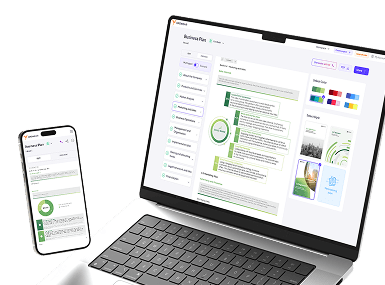
Growexa builds a complete, lender-ready business plan — with financial logic and a professionally formatted PDF
The Management and Organization section outlines the leadership structure of the Steakhouse. It defines roles across culinary management, service leadership, and financial oversight.
The business plan emphasizes staff training, performance monitoring, and guest satisfaction standards. Organizational culture prioritizes professionalism and hospitality excellence.
Scalable management systems support expansion.
Opening a Steakhouse requires substantial capital investment. This section of the business plan outlines funding needs for buildout, kitchen equipment, and working capital.
Funding sources may include owner investment, hospitality financing, or partners. Capital allocation prioritizes operational infrastructure and guest experience.
Financial governance supports sustainability.
The Financial Plan translates the Steakhouse concept into a structured economic model. Revenue projections are based on seating capacity, pricing, and customer volume. Expense assumptions include food costs, labor, and overhead.
The business plan addresses profitability thresholds, cash flow, and growth scenarios.
This financial rigor demonstrates that the Steakhouse operates as a disciplined hospitality enterprise.
Operating a successful Steakhouse requires more than culinary skill—it requires structure, consistency, and strategic clarity. In a competitive hospitality environment, a comprehensive business plan provides the framework necessary to align operations, experience, and financial performance.
By integrating culinary excellence with operational discipline, this Steakhouse is positioned for long-term success. Strategic planning platforms such as Growexa support founders in structuring restaurant concepts, modeling financial outcomes, and building investor-ready business plans that bring clarity to complex hospitality ventures. With a structured business plan as its foundation, a Steakhouse can deliver lasting value to guests, partners, and long-term stakeholders alike.
A Steakhouse operates in a cost-sensitive hospitality environment where ingredient quality, labor management, and service consistency directly affect profitability. A formal business plan establishes operational structure, pricing strategy, and cost controls, ensuring the restaurant is built for long-term sustainability rather than short-term demand.

