
Stop editing templates
Start building a plan that gets approved
Turn this template into a complete business plan with:
- Financial projections
- Loan-ready structure
- Clear repayment logic
Based on 40+ bank requirements

The Second-Hand Store has moved from the margins of retail into the mainstream of modern commerce. Once associated primarily with thrift and necessity, the Second-Hand Store is now driven by sustainability, value consciousness, and changing attitudes toward ownership. Rising inflation, environmental awareness, and the normalization of resale culture have transformed the Second-Hand Store into a dynamic retail format with global relevance. Yet despite growing demand, profitability is not automatic. Inventory unpredictability, pricing complexity, and operational discipline define success. In this environment, a comprehensive business plan is essential. A well-structured business plan transforms a Second-Hand Store from a reactive resale operation into a scalable, financially resilient retail business.
Launching a Second-Hand Store without a business plan often leads to inconsistent sourcing, weak margins, cluttered inventory, and unstable cash flow. Unlike traditional retail, the Second-Hand Store does not rely on standardized supply chains. Every item is unique, and value is created through curation, pricing, and presentation. A strong business plan clarifies how the Second-Hand Store sources inventory, targets customers, and converts irregular supply into predictable revenue. It ensures that pricing, turnover, staffing, and brand positioning are aligned with long-term financial logic. In a sector where perception defines value, the business plan becomes the foundation of sustainable success.
Turn this template into a complete business plan with:
Based on 40+ bank requirements


Most business plans fail not because of the idea — but because the numbers don’t prove repayment.
Build a bank-ready business plan in minutes
(with projections, structure, and validation)
The Executive Summary presents the Second-Hand Store as a professionally managed resale business focused on value creation, sustainability, and curated retail experience. This section of the business plan defines the mission of the Second-Hand Store, whether centered on apparel, furniture, electronics, luxury resale, vintage goods, or mixed-category offerings.
The business plan outlines target customers such as budget-conscious shoppers, environmentally driven consumers, trend-focused buyers, and collectors. Revenue streams may include direct resale, consignment fees, premium curation, and online extensions. By summarizing concept, positioning, and financial objectives, the Executive Summary establishes the Second-Hand Store as a structured retail enterprise guided by a clear business plan rather than opportunistic buying.
The Company Overview defines the structure, identity, and strategic foundation of the Second-Hand Store. This section of the business plan explains the legal entity, ownership structure, and regulatory considerations related to resale, taxation, and consumer protection.
The business plan describes the Second-Hand Store’s sourcing model, including donations, buy-back programs, consignment, estate sourcing, or partnerships. Decisions around quality thresholds, acceptance criteria, and inventory categories are aligned with brand positioning and margin targets.
Location strategy is critical. The business plan explains site selection based on foot traffic, neighborhood demographics, and proximity to supply sources. Store layout emphasizes curation rather than volume, reinforcing perceived value. The Second-Hand Store brand communicates trust, discovery, and sustainability. The Company Overview positions the Second-Hand Store as both a retail business and a cultural platform within the circular economy.
The Market Analysis examines demand drivers shaping the Second-Hand Store sector. Economic pressure, sustainability values, and fashion cycles continue to expand resale markets. A strong business plan analyzes demographic trends, income sensitivity, and cultural acceptance of second-hand consumption.
The business plan evaluates competition from thrift chains, online resale platforms, peer-to-peer marketplaces, and charity shops. Differentiation is essential. The Market Analysis identifies opportunities in curated selection, niche focus, superior presentation, or hybrid online-offline models.
Customer segmentation includes bargain seekers, environmentally conscious shoppers, trend adopters, and collectors. Each segment values the Second-Hand Store differently in terms of price, rarity, and experience. By grounding strategy in market insight, the business plan ensures the Second-Hand Store competes on identity and curation rather than price alone.
The Marketing and Sales Strategy outlines how the Second-Hand Store attracts customers and drives repeat visits. In resale retail, discovery and trust are central. The business plan explains how the Second-Hand Store communicates authenticity, quality, and constantly refreshed inventory.
Marketing channels include social media, local community engagement, influencer partnerships, and in-store storytelling. The business plan emphasizes organic visibility and word-of-mouth rather than heavy advertising spend.
Sales strategy focuses on inventory turnover, dynamic pricing, and impulse discovery. Pricing reflects perceived value, condition, and scarcity rather than replacement cost. The business plan ensures sales velocity aligns with sourcing volume and storage capacity.
The Operations Plan details how the Second-Hand Store functions daily. This section of the business plan describes intake procedures, sorting, cleaning, pricing, merchandising, and inventory rotation. Operational discipline is critical due to inconsistent supply and limited storage.
The business plan explains staffing models, quality control, and point-of-sale systems. Technology supports operations through inventory tracking, pricing analytics, and online listings. Store presentation is treated as a revenue driver rather than a secondary concern.
Risk management is central. The Operations Plan addresses inventory glut, unsold stock, theft, and reputational risk. By defining standardized workflows, the business plan ensures the Second-Hand Store operates efficiently despite supply variability.
No connection between:
Growexa builds a complete, lender-ready business plan — with financial logic and a professionally formatted PDF
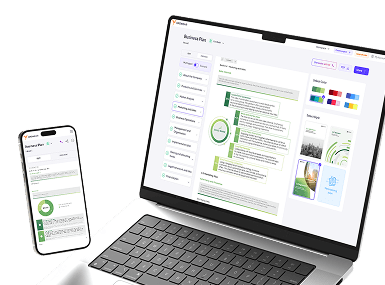
The Management and Organization section introduces the leadership behind the Second-Hand Store. It outlines experience in retail, merchandising, sourcing, or brand management. Strong leadership balances creativity with operational control.
The business plan defines roles such as store management, sourcing specialists, merchandisers, sales associates, and administrative support. Training emphasizes customer engagement, pricing judgment, and ethical sourcing.
This section demonstrates that the Second-Hand Store is professionally managed rather than informally curated.
Launching or scaling a Second-Hand Store requires capital for leasehold improvements, initial inventory acquisition, technology, marketing, and working capital. This section of the business plan outlines funding sources such as owner equity, loans, or impact investors.
The business plan explains how funds are allocated to sourcing, store design, and operational infrastructure. Disciplined capital planning ensures the Second-Hand Store maintains flexibility without overextending inventory or fixed costs.
The Financial Plan translates the Second-Hand Store strategy into financial projections. This section of the business plan includes revenue forecasts based on inventory turnover, average transaction value, and foot traffic.
Expense projections include rent, labor, sourcing costs, marketing, utilities, and shrinkage. The business plan provides cash-flow projections, breakeven analysis, and multi-year profitability scenarios. Sensitivity analysis addresses sourcing variability and demand fluctuations.
A successful Second-Hand Store is built on curation supported by discipline. While resale culture fuels demand, only businesses guided by a structured business plan achieve lasting profitability. By aligning sourcing, operations, marketing, and financial planning, the business plan transforms a Second-Hand Store into a resilient and scalable retail enterprise. With the right foundation, a Second-Hand Store can deliver economic value, environmental impact, and long-term brand relevance.
Entrepreneurs ready to launch or grow a Second-Hand Store can leverage platforms like Growexa, where expert planning tools turn resale concepts into clear, investor-ready business plans designed for sustainable success.
A Second-Hand Store operates with unpredictable inventory, variable pricing, and demand driven by perception rather than standardized supply. A structured business plan helps a Second-Hand Store control sourcing, pricing discipline, inventory turnover, and cash flow despite irregular stock.

