
Stop editing templates
Start building a plan that gets approved
Turn this template into a complete business plan with:
- Financial projections
- Loan-ready structure
- Clear repayment logic
Based on 40+ bank requirements

Scooter Rental has rapidly evolved from a novelty in urban mobility to a core component of modern transportation ecosystems. As cities grapple with congestion, sustainability targets, and shifting consumer behavior, Scooter Rental offers a flexible, low-emission, and cost-effective alternative to cars and public transit. Yet despite its apparent simplicity, Scooter Rental is a complex, capital-intensive business shaped by regulation, technology, operations, and public perception. In this environment, a comprehensive business plan is indispensable. A disciplined business plan transforms Scooter Rental from a fleet of vehicles into a scalable, data-driven, and financially resilient mobility enterprise.
Many Scooter Rental ventures fail not because demand is lacking, but because execution is misaligned with economics. Fleet utilization, maintenance cycles, regulatory compliance, and pricing discipline determine profitability far more than raw ridership. A strong business plan clarifies how a Scooter Rental business positions itself, which markets it serves, and how operational realities translate into sustainable margins. It ensures that decisions around fleet size, deployment strategy, and expansion are grounded in long-term financial logic. In an industry where growth without control destroys value, the business plan becomes the foundation of success.
Turn this template into a complete business plan with:
Based on 40+ bank requirements



Most business plans fail not because of the idea — but because the numbers don’t prove repayment.
Build a bank-ready business plan in minutes
(with projections, structure, and validation)
The Executive Summary presents Scooter Rental as a professionally managed urban mobility service focused on convenience, accessibility, and operational efficiency. This section of the business plan defines the mission of the Scooter Rental operation, whether oriented toward short-distance urban travel, tourism, campus mobility, or last-mile transportation emphasized by municipalities.
The business plan outlines target users such as daily commuters, tourists, students, and corporate clients, as well as partnerships with cities or private property owners. Revenue streams include per-ride fees, time-based pricing, subscriptions, corporate contracts, and advertising partnerships. By summarizing concept, positioning, and financial objectives, the Executive Summary establishes Scooter Rental as a structured mobility business guided by a clear business plan.
The Company Overview defines the structure, identity, and strategic foundation of the Scooter Rental business. This section of the business plan explains the legal entity, ownership structure, and regulatory environment governing micro-mobility, including permits, fleet caps, insurance, and safety requirements.
The business plan describes the Scooter Rental service model, including fleet ownership, technology platform, and deployment strategy. Decisions around electric versus hybrid scooters, docked versus dockless systems, and in-house versus outsourced maintenance are aligned with cost control and regulatory compliance.
Location strategy is central. The business plan explains market selection based on population density, tourism flow, infrastructure quality, and regulatory openness. Brand positioning emphasizes safety, reliability, and urban integration. The Company Overview positions Scooter Rental as both a transportation provider and a technology-enabled service business.
The Market Analysis examines demand drivers shaping the Scooter Rental industry. Urbanization, environmental policy, and shifting attitudes toward car ownership continue to expand micro-mobility demand. A strong business plan analyzes commuter patterns, tourism volumes, weather seasonality, and public transit gaps.
The business plan evaluates competition from bicycles, ride-hailing services, public transit, and other Scooter Rental operators. Differentiation is critical. The Market Analysis identifies opportunities in pricing structure, service reliability, geographic focus, or partnership-based access.
Customer segmentation includes residents using scooters for daily trips, tourists seeking convenience, and institutions integrating Scooter Rental into mobility programs. Each segment values Scooter Rental differently in terms of price sensitivity, frequency, and service expectations. By grounding strategy in market insight, the business plan ensures Scooter Rental competes on value rather than unsustainable discounting.
The Marketing and Sales Strategy outlines how Scooter Rental attracts riders and builds repeat usage. In micro-mobility, adoption depends on visibility, ease of use, and trust. The business plan explains how Scooter Rental communicates safety, availability, and affordability.
Marketing channels include app-based promotions, partnerships with hotels or campuses, digital advertising, and city-level collaborations. The business plan emphasizes organic usage driven by convenience rather than expensive mass marketing.
Sales strategy focuses on increasing ride frequency through subscriptions, passes, and loyalty incentives. Pricing reflects usage patterns, local regulations, and cost structure. The business plan ensures revenue growth aligns with fleet utilization and operational capacity.
The Operations Plan details how Scooter Rental functions day to day. This section of the business plan describes fleet deployment, charging logistics, maintenance cycles, and rebalancing operations. Operational discipline is critical due to asset wear and public safety concerns.
The business plan explains staffing models, warehouse operations, and vendor relationships. Technology supports operations through GPS tracking, usage analytics, and predictive maintenance. Customer support systems handle incidents, billing issues, and compliance reporting.
Risk management is central. The Operations Plan addresses vandalism, accidents, theft, regulatory changes, and weather-related downtime. By defining standardized procedures, the business plan ensures Scooter Rental operates reliably under urban complexity.
No connection between:
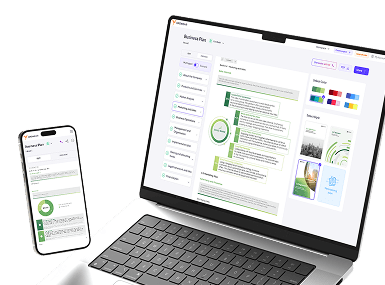
Growexa builds a complete, lender-ready business plan — with financial logic and a professionally formatted PDF
The Management and Organization section introduces the leadership behind the Scooter Rental business. It outlines experience in mobility, operations, logistics, or technology-driven services. Strong leadership balances growth ambition with regulatory discipline.
The business plan defines roles such as operations management, fleet maintenance leadership, regulatory compliance, data analytics, and customer experience management. Training emphasizes safety, efficiency, and accountability.
This section demonstrates that Scooter Rental is professionally managed rather than opportunistic.
Launching or expanding a Scooter Rental business requires significant capital for fleet acquisition, charging infrastructure, technology development, marketing, and working capital. This section of the business plan outlines funding sources such as equity investors, debt financing, or strategic partners.
The business plan explains how funds are allocated to maximize fleet utilization, extend asset life, and support geographic expansion. Disciplined capital planning ensures Scooter Rental growth strengthens unit economics rather than inflating losses.
The Financial Plan translates the Scooter Rental strategy into financial projections. This section of the business plan includes revenue forecasts based on ride volume, average trip duration, pricing, and subscription uptake.
Expense projections include scooter depreciation, maintenance, charging, labor, insurance, and regulatory fees. The business plan provides cash-flow projections, breakeven analysis, and multi-year profitability scenarios. Sensitivity analysis addresses utilization rates, fleet lifespan, and regulatory cost changes.
A successful Scooter Rental business is built on utilization supported by discipline. While demand for micro-mobility continues to grow, only enterprises guided by a structured business plan achieve sustainable profitability. By aligning fleet strategy, operations, marketing, and financial planning, the business plan transforms Scooter Rental into a resilient and scalable urban mobility enterprise. With the right foundation, Scooter Rental can deliver convenience, sustainability, and long-term economic value.
Entrepreneurs ready to launch or expand a Scooter Rental operation can leverage platforms like Growexa, where expert planning tools turn mobility concepts into polished, investor-ready business plans designed for durable success.

