
Stop editing templates
Start building a plan that gets approved
Turn this template into a complete business plan with:
- Financial projections
- Loan-ready structure
- Clear repayment logic
Based on 40+ bank requirements

A modern Sandwich Shop is one of the most flexible and resilient formats in food service, sitting at the crossroads of convenience, customization, and everyday demand. As consumer lifestyles accelerate and eating habits shift toward fast, fresh, and affordable meals, the Sandwich Shop remains a staple for professionals, students, families, and on-the-go customers. Yet despite its apparent simplicity, a successful Sandwich Shop requires disciplined execution, operational efficiency, and clear positioning. Competition is intense, margins are sensitive, and customer loyalty is earned through consistency rather than novelty alone. A comprehensive business plan provides the structure needed to turn a Sandwich Shop from a simple food concept into a scalable and sustainable business. The business plan aligns menu design, operations, staffing, marketing, and financial management into one cohesive strategy.
Opening a Sandwich Shop without a business plan often leads to common pitfalls such as poor location choice, uncontrolled food costs, inefficient workflows, and unclear differentiation. A strong business plan clarifies the Sandwich Shop’s identity, target audience, pricing logic, and growth trajectory. It ensures that every operational decision supports profitability while maintaining speed and quality. In a segment where success depends on repeat visits and operational discipline, the business plan becomes the roadmap that transforms daily transactions into long-term value.
Turn this template into a complete business plan with:
Based on 40+ bank requirements


Most business plans fail not because of the idea — but because the numbers don’t prove repayment.
Build a bank-ready business plan in minutes
(with projections, structure, and validation)
The Executive Summary introduces the Sandwich Shop as a fast-casual food business designed to deliver fresh, customizable meals with speed and reliability. This section of the business plan defines the mission of the Sandwich Shop, whether centered on classic deli sandwiches, gourmet ingredients, health-focused offerings, artisan bread, or a delivery-first model. It highlights the value proposition: high-quality ingredients, efficient service, transparent pricing, and consistent taste.
The business plan outlines the target market, including office workers, students, families, commuters, and delivery customers. Revenue streams may include dine-in sales, takeout, delivery, catering, and meal bundles. By summarizing strategic intent, menu philosophy, and financial goals, the Executive Summary positions the Sandwich Shop as a professionally structured venture supported by a clear business plan.
The Company Overview defines the structure, identity, and strategic foundation of the Sandwich Shop. This section of the business plan explains the legal entity, ownership model, and brand positioning. It clarifies whether the Sandwich Shop operates as a single neighborhood location, a scalable local brand, or a foundation for future multi-unit expansion.
The business plan describes the menu framework, including sandwich styles, bread options, proteins, spreads, toppings, sides, beverages, and dietary alternatives. It explains sourcing strategies for bread, produce, meats, and condiments, emphasizing freshness, reliability, and cost control. The Sandwich Shop’s brand identity is shaped by atmosphere, service style, and clarity of concept.
Location strategy is central. The business plan explains why the Sandwich Shop is located in a business district, residential area, campus zone, or high-traffic corridor. Visibility, accessibility, and delivery radius are key considerations. The Company Overview establishes the Sandwich Shop as both a culinary offering and a structured business platform.
The Market Analysis examines consumer behavior, local competition, and broader trends affecting the Sandwich Shop segment. Demand for sandwiches remains stable due to their versatility, affordability, and broad appeal. However, consumer preferences continue to evolve toward fresher ingredients, healthier options, and customization. A strong business plan analyzes these trends to ensure the Sandwich Shop remains competitive.
The business plan evaluates competitors such as independent sandwich shops, national chains, cafés, bakeries, and convenience stores. Differentiation is critical. The Market Analysis identifies opportunities such as underserved neighborhoods, faster service, higher ingredient quality, clearer branding, or superior customer experience.
Customer segmentation is explored, from time-pressed professionals seeking speed to families valuing comfort and consistency. Delivery and online ordering behavior are also considered. By grounding decisions in data and observation, the business plan ensures the Sandwich Shop is positioned for steady demand rather than short-term novelty.
The Marketing and Sales Strategy outlines how the Sandwich Shop will attract customers, drive repeat visits, and build brand loyalty. In a crowded food landscape, visibility and clarity are essential. The business plan explains how branding, signage, digital presence, and storytelling communicate the Sandwich Shop’s value.
Marketing channels include social media, local partnerships, loyalty programs, review platforms, and neighborhood engagement. The business plan emphasizes word-of-mouth driven by consistency and speed, supported by promotions and limited-time offerings.
Sales strategy balances in-store traffic, takeout, and delivery. The business plan outlines pricing logic, combo meals, catering options, and upselling of sides and beverages. By aligning marketing creativity with sales discipline, the Sandwich Shop builds predictable revenue and customer retention.
The Operations Plan details how the Sandwich Shop functions on a daily basis. This section of the business plan describes food preparation workflows, ingredient storage, assembly processes, and service timing. Efficiency is critical, as profitability depends on speed and volume.
The business plan outlines equipment needs such as prep stations, refrigeration, toasters, slicers, and POS systems. Inventory management, waste reduction, and food safety protocols are emphasized. Staffing schedules are aligned with peak demand periods to maintain service quality.
Delivery coordination, order accuracy, and customer communication systems are also addressed. The Operations Plan ensures that the Sandwich Shop delivers consistent results while controlling costs and maintaining operational clarity.
The Management and Organization section introduces the leadership behind the Sandwich Shop. It outlines experience in food service, operations, hospitality, or entrepreneurship. Strong leadership ensures consistency, accountability, and team performance.
The business plan defines roles such as store manager, kitchen staff, front-of-house team, delivery coordination, and administrative support. Training programs emphasize food safety, speed, customer interaction, and brand standards. Clear organizational structure supports scalability and reliability.
This section demonstrates that the Sandwich Shop is professionally managed rather than informally operated.
No connection between:
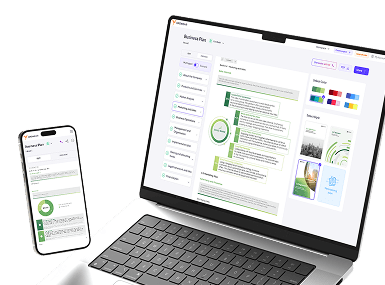
Growexa builds a complete, lender-ready business plan — with financial logic and a professionally formatted PDF
Opening a Sandwich Shop requires capital for build-out, equipment, permits, initial inventory, staffing, and marketing. This section of the business plan outlines startup costs and funding sources such as personal investment, small business loans, or investors.
The business plan explains how funds will be allocated across kitchen setup, branding, early marketing, and working capital. Disciplined allocation ensures the Sandwich Shop can operate smoothly during launch and early growth phases.
The Financial Plan converts the Sandwich Shop concept into financial projections. This section of the business plan includes revenue forecasts based on average ticket size, order volume, and sales channels. It models peak and off-peak demand and seasonality.
Expense projections include food costs, labor, rent, utilities, marketing, and maintenance. The business plan provides breakeven analysis, cash-flow projections, and multi-year profitability scenarios. Risk mitigation addresses food cost volatility and labor availability.
A successful Sandwich Shop blends simplicity with discipline. While sandwiches are familiar and accessible, only businesses guided by a strong business plan achieve long-term success. By aligning menu clarity, operational efficiency, marketing focus, and financial control, the business plan ensures the Sandwich Shop can grow sustainably and remain competitive. With the right foundation, a Sandwich Shop can become both a trusted local favorite and a profitable enterprise.
Entrepreneurs ready to launch or expand a Sandwich Shop can leverage platforms like Growexa, where expert planning tools transform food-service ideas into polished, investor-ready business plans built for lasting success.
Startup costs depend on location, size, and service format, but a Sandwich Shop typically requires investment in kitchen equipment, refrigeration, permits, initial inventory, staffing, and marketing. A detailed business plan helps forecast these expenses accurately and determine how quickly the Sandwich Shop can reach breakeven.
Yes, when managed with discipline. Profitability depends on food cost control, fast service, consistent quality, and repeat customers. A strong business plan shows how pricing, portion control, and efficient workflows allow a Sandwich Shop to maintain healthy margins even in competitive markets.

