
Stop editing templates
Start building a plan that gets approved
Turn this template into a complete business plan with:
- Financial projections
- Loan-ready structure
- Clear repayment logic
Based on 40+ bank requirements

In the hyper-kinetic landscape of the modern culinary arts, the Pop-Up Restaurant has emerged as a disruptive force, challenging the traditional brick-and-mortar establishment through agility and scarcity. For the visionary chef or the institutional investor, the appeal of a temporary dining concept lies in its ability to test market boundaries without the long-term liability of a twenty-year lease; however, the velocity of such a venture requires a surgical business plan. Navigating the complexities of nomadic logistics, rotating licenses, and high-intensity marketing cycles demands a strategic blueprint that treats culinary creativity as a high-yield asset. A well-designed business plan serves as this essential foundation, ensuring that a Pop-Up Restaurant operation remains profitable amidst the shifting tides of consumer trends. Without a rigorous business plan, the risks of high customer acquisition costs and logistical friction can quickly erode the margins of even the most acclaimed menu. Conversely, when a Pop-Up Restaurant is guided by a structured business plan, it becomes a resilient and scalable enterprise capable of generating massive brand equity in a condensed timeframe.
Turn this template into a complete business plan with:
Based on 40+ bank requirements


Most business plans fail not because of the idea — but because the numbers don’t prove repayment.
Build a bank-ready business plan in minutes
(with projections, structure, and validation)
The Executive Summary presents the Pop-Up Restaurant as a curated, time-sensitive gastronomic event designed to capture the attention of the modern "experience seeker." This section of the business plan defines the mission of the operation: to deliver world-class culinary innovation through a model of intentional scarcity. Whether the Pop-Up Restaurant focuses on hyper-local ingredients, fusion concepts, or immersive thematic dining, the business plan ensures that the brand positioning is clearly articulated for private equity partners and host venues. By summarizing the concept and financial objectives, the business plan establishes the venture as a professionally managed event series rather than a casual dinner club.
Within this framework, the business plan identifies core target segments, including affluent millennials, corporate event planners, and culinary influencers. Revenue streams are generated through ticketed seating, premium beverage pairings, and strategic brand sponsorships, all of which are detailed in the business plan. By grounding the concept in a coherent business plan, the entrepreneur ensures that the Pop-Up Restaurant is viewed as a serious player in the luxury hospitality sector. Ultimately, the business plan confirms that the company is prepared to capture the growing demand for exclusive, "once-in-a-lifetime" dining experiences.
The Company Overview defines the identity and strategic foundation of the Pop-Up Restaurant enterprise, detailing the marriage of mobility and culinary excellence. This section of the business plan explains the legal entity, the ownership model, and the flexible infrastructure required to support high-end service in unconventional spaces. Health department compliance, temporary liquor permits, and equipment portability are integrated into the business plan as trust-building elements that distinguish the brand from unpolished amateur efforts. The business plan also describes the merchandising philosophy, focusing on how limited-edition retail items and branded digital content align with the demographics of the host neighborhood to increase the Pop-Up Restaurant's secondary revenue.
Location strategy is the lifeblood of this model, and the business plan outlines the selection of "host" sites ranging from art galleries to rooftop gardens or underutilized retail spaces. The business plan explains site selection based on kitchen access, power requirements, and the aesthetic alignment with the culinary concept. By positioning the Pop-Up Restaurant operation as a commercially focused, nomadic powerhouse, the business plan provides a clear roadmap for the company’s physical and legal manifestation. This section of the business plan ensures that the brand is built on a foundation of operational transparency and logistical precision.
The Market Analysis examines the structural demand drivers shaping the Pop-Up Restaurant segment in an era where consumers value novelty and "Instagrammable" moments over traditional dining stability. A robust business plan evaluates demographic indicators such as local disposable income, the density of competing luxury dining options, and the saturation of the local food scene to validate the project's potential. The business plan also assesses competitive pressure from established fine-dining venues and mobile food trucks, identifying opportunities to lead through exclusivity and elevated service. Differentiation is essential, and the business plan identifies opportunities to dominate the local market through exclusive "one-night-only" collaborations with high-profile chefs or artists.
Customer segmentation within the business plan includes "The Culinary Collector," "The Social Elite," and "The Corporate Innovator." Each group demonstrates distinct purchasing motivations and booking behaviors that the Pop-Up Restaurant must address to ensure sold-out performances. By grounding the strategy in data rather than assumptions, the business plan enables the business to compete on reputation, scarcity, and a superior environment. Every data point in this business plan reinforces the conclusion that a professionalized Pop-Up Restaurant is a high-growth sector for those who follow a disciplined, data-backed financial model.
The Marketing and Sales Strategy defines how the Pop-Up Restaurant brand attracts attention and secures rapid sell-outs in a crowded digital marketplace. Short-term ventures are entirely dependent on high-velocity brand awareness, which elevates the importance of a sophisticated PR and social media strategy in the business plan. The business plan outlines how the company communicates its value proposition through countdown-based social media campaigns, strategic influencer invitations, and exclusive mailing list access. Rather than relying on traditional walk-ins, the business plan emphasizes a sales strategy focused on 100% pre-paid ticketed seating to ensure cash flow.
Marketing channels in the business plan include high-end culinary photography, collaborations with local lifestyle brands, and targeted digital ads aimed at high-income diners. The business plan ensures that the Pop-Up Restaurant brand is perceived as the definitive must-attend event of the season rather than just another dining option. Pricing reflects the elite nature of the ingredients and the high level of exclusivity provided, ensuring that brand equity is maintained. The business plan ensures that promotional activity supports the "FOMO" (fear of missing out) effect without undermining the long-term prestige of the brand.
The Operations Plan explains the daily mechanics of the nomadic facility and the lifecycle of a dining event from "load-in" to final "strike." Operational discipline is critical in a category affected by varying kitchen layouts and temporary staffing, and the business plan provides the necessary management controls. The business plan defines staffing models for "guest" chefs and experienced front-of-house teams, ensuring the company maintains a seamless service delivery. Quality control procedures in the business plan ensure that every dish meets the executive chef's standards, regardless of the temporary nature of the workspace.
Risk management is addressed explicitly, as the business plan considers variables such as supply chain delays, equipment failure in non-traditional venues, and the complexities of mobile sanitation. By establishing clear procedures, the business plan ensures operational stability during high-pressure dinner services. Technology supports these operations through integrated cloud-based POS systems and digital reservation platforms, all managed under the business plan's operational framework. This operational rigor is what allows the Pop-Up Restaurant firm to deliver a reliable and premium gastronomic environment for its diverse client base.
No connection between:
Growexa builds a complete, lender-ready business plan — with financial logic and a professionally formatted PDF
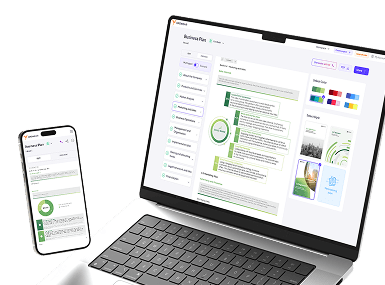
The Management and Organization section introduces the leadership structure behind the Pop-Up Restaurant venture, highlighting the necessity of a team capable of rapid mobilization. It highlights experience in high-end hospitality, event logistics, and financial oversight, which are essential for a successful business plan. The business plan defines key roles, from the Executive Chef and Lead Sommelier to the Logistics Manager and Marketing Director. Training prioritizes rapid adaptation to new environments and consistent service quality, reinforcing that the Pop-Up Restaurant is managed as a professional enterprise.
Effective leadership balances the creative fluidity of the menu with the discipline of a business plan, ensuring that every night of the "pop-up" enhances the brand's track record. This section of the business plan demonstrates that the company has the human capital necessary to execute the vision in multiple cities or venues. By presenting a professional organizational chart, the business plan builds confidence with investors and host partners. This leadership structure ensures the Pop-Up Restaurant can scale its operations and staff as it considers expansion into new geographic territories or permanent flagship concepts.
Launching or expanding a professional Pop-Up Restaurant operation requires significant upfront capital for portable commercial-grade equipment, initial high-quality ingredients, and aggressive short-term marketing. This section of the business plan outlines funding sources, including private equity, crowdfunding, or strategic venue partnerships. The business plan explains how capital is allocated to support a balanced inventory of mobile kitchen tech, decor, and working capital for the first "tour." Thoughtful capital planning in the business plan ensures the business can absorb the costs of rapid setup and teardown without a liquidity crisis.
The business plan details the investment in lighting systems and high-end table settings to ensure the Pop-Up Restaurant brand offers a world-class visual presentation in any environment. By demonstrating a disciplined approach to funding, the business plan makes the project an attractive prospect for serious investors and venue owners. This financial foresight, embedded in the business plan, is what separates a sustainable nomadic hub from a speculative culinary venture. The business plan ensures that every dollar invested in the Pop-Up Restaurant assets is optimized for maximum artistic and financial ROI.
The Financial Plan translates the culinary and logistical strategy into measurable, bottom-line outcomes for the Pop-Up Restaurant enterprise. This section of the business plan presents revenue projections based on ticket price points, seat turnover, and average spend on beverage pairings. Assumptions in the business plan are conservative and grounded in actual market data regarding the premium dining market and the "experience economy." Expense forecasts in the business plan include venue rental, labor, high-grade ingredients, and intensive marketing.
The business plan provides cash-flow projections and break-even analysis to ensure financial durability through the gaps between different pop-up locations. Sensitivity analysis in the business plan addresses potential risks like lower-than-expected ticket sales or rising ingredient costs that might impact the Pop-Up Restaurant's profitability. By providing a realistic financial roadmap, the business plan gives stakeholders the confidence that the enterprise is built for long-term endurance. This final section of the business plan proves that the venture is a viable and lucrative business model.
A successful Pop-Up Restaurant enterprise is built on a foundation of culinary excellence supported by the discipline of a professional business plan. While the innovation of the menu provides the initial draw for diners, only a business guided by a structured business plan achieves long-term sustainability in the competitive global food market. By aligning mobility, marketing, and financial planning, the business plan transforms a creative passion into a resilient and scalable event-based brand. To navigate this journey, entrepreneurs can leverage platforms like Growexa, where structured planning tools help convert culinary ideas into investor-ready business plan documents. Trust the business plan, use Growexa, and secure the future of your Pop-Up Restaurant venture today.
In a permanent establishment, you have years to correct operational inefficiencies, but a Pop-Up Restaurant operates within extremely compressed timelines. A professional business plan must account for every minute of venue rental and every gram of ingredient with surgical precision. Since you do not have a consistent flow of organic foot traffic, your business plan serves as the primary tool to guarantee 100% occupancy before the doors even open.
This is a major operational hurdle. A sophisticated business plan outlines a "Commissary Kitchen" strategy, where the bulk of the preparation is done in a licensed, off-site facility. The Pop-Up Restaurant site is then used exclusively for final assembly and service. Documenting this approach in the business plan minimizes health code risks and ensures consistent food quality regardless of the temporary venue's limitations.
Investors are often wary of short-term ventures, so your business plan must focus on a "Ticketed Dining" model. When seats are sold in advance as non-refundable tickets, the business plan demonstrates guaranteed revenue and zero food waste. This transforms the Pop-Up Restaurant from a speculative culinary experiment into a predictable financial vehicle with high capital turnover.
Many ventures fail due to legal oversight. Your business plan must contain a rigorous regulatory calendar for obtaining temporary liquor permits and health department clearances for specific non-traditional locations. If the business plan fails to address the legal complexities of operating in spaces like art galleries or rooftops, the Pop-Up Restaurant faces the risk of being shut down by local authorities on opening night.
Unlike traditional marketing, the business plan for a temporary project is built on the concept of FOMO (Fear Of Missing Out). Your business plan must include a multi-stage "audience warm-up" plan involving influencers and exclusive mailing lists. For a Pop-Up Restaurant, success is defined by having a waiting list three times larger than the available seating, and this strategy must be meticulously mapped out in the business plan.

