
Stop editing templates
Start building a plan that gets approved
Turn this template into a complete business plan with:
- Financial projections
- Loan-ready structure
- Clear repayment logic
Based on 40+ bank requirements

The Nanny Agency has emerged as a critical service business in modern economies shaped by dual-income households, remote work, urban density, and rising expectations around childcare quality. Families no longer seek informal arrangements alone; they increasingly demand vetted professionals, reliability, safety, and accountability. In this environment, the Nanny Agency is not merely a matchmaking service but a trust-based, compliance-driven, and operationally complex enterprise. Despite relatively low physical overhead, success in this sector depends on structure, credibility, and execution. A comprehensive business plan is essential. A strong business plan transforms a Nanny Agency from a referral model into a scalable, reputable, and financially sustainable professional service business.
Launching a Nanny Agency without a business plan often results in inconsistent placements, legal exposure, weak screening processes, and unstable revenue. Childcare is emotionally charged and risk-sensitive, which means reputation can be built or destroyed quickly. A well-designed business plan clarifies how the Nanny Agency positions itself, which families and caregivers it serves, and how it manages trust, compliance, and quality at scale. It ensures that recruitment, pricing, operations, and growth decisions are intentional rather than reactive. In a business where trust is the primary currency, the business plan becomes the foundation of long-term viability.
Turn this template into a complete business plan with:
Based on 40+ bank requirements


Most business plans fail not because of the idea — but because the numbers don’t prove repayment.
Build a bank-ready business plan in minutes
(with projections, structure, and validation)
The Executive Summary presents the Nanny Agency as a professional childcare placement and management service focused on safety, reliability, and long-term family relationships. This section of the business plan defines the mission of the Nanny Agency, whether oriented toward full-time nannies, part-time caregivers, live-in placements, temporary staffing, or specialized childcare services.
The business plan outlines target clients such as working professionals, high-income families, expatriates, single parents, and corporate clients offering childcare benefits. Revenue streams may include placement fees, subscription services, ongoing payroll management, background screening services, and caregiver training programs. By summarizing concept, positioning, and financial objectives, the Executive Summary establishes the Nanny Agency as a structured service business guided by a clear business plan.
The Company Overview defines the structure, identity, and strategic foundation of the Nanny Agency. This section of the business plan explains the legal entity, ownership model, and regulatory environment governing childcare placement, employment law, and data protection.
The business plan describes the Nanny Agency’s service model, including caregiver recruitment, screening, matching methodology, and ongoing support. Decisions around independent contractor versus employee placement, payroll handling, and liability coverage are aligned with compliance requirements and risk management.
Brand positioning emphasizes trust, discretion, professionalism, and safety. The business plan ensures the Nanny Agency operates with transparent policies, documented procedures, and ethical standards. Location is less about storefront presence and more about market reach. The Company Overview positions the Nanny Agency as both a people-centric organization and a disciplined operational business.
The Market Analysis examines demand drivers shaping the Nanny Agency industry. Workforce participation, delayed parenthood, remote work, and heightened awareness of child development continue to increase demand for professional childcare solutions. A strong business plan analyzes demographic trends, household income distribution, and urbanization patterns to validate opportunity.
The business plan evaluates competition from informal caregiver networks, online platforms, au pair programs, daycare centers, and concierge services. Differentiation is essential. The Market Analysis identifies opportunities in premium screening, personalized matching, ongoing family support, or specialized childcare needs.
Customer segmentation includes high-income families, middle-income professionals, short-term placement clients, and corporate partners. Each segment values the Nanny Agency differently in terms of price sensitivity, service depth, and responsiveness. By grounding strategy in market insight, the business plan ensures the Nanny Agency competes on trust and quality rather than price alone.
The Marketing and Sales Strategy outlines how the Nanny Agency attracts families and caregivers while building long-term credibility. Childcare decisions are deeply trust-based, making reputation and referrals central. The business plan explains how the Nanny Agency communicates reliability, vetting rigor, and service quality.
Marketing channels include digital presence, referrals, partnerships with employers, parenting communities, relocation services, and professional networks. The business plan emphasizes authority and reassurance rather than aggressive promotion.
Sales strategy focuses on consultative intake, needs assessment, and expectation management. Pricing reflects service depth, risk exposure, and ongoing support rather than simple introductions. The business plan ensures client acquisition aligns with capacity and quality standards.
The Operations Plan details how the Nanny Agency functions daily. This section of the business plan describes caregiver recruitment, background checks, interviews, reference verification, and matching workflows. Operational precision is critical due to safety and liability considerations.
The business plan explains onboarding processes, documentation management, and placement monitoring. Technology supports operations through CRM systems, scheduling tools, and secure data storage. Ongoing communication with families and caregivers ensures retention and issue resolution.
Risk management is central. The Operations Plan addresses legal compliance, caregiver performance issues, family disputes, and reputational risk. By defining standardized procedures, the business plan ensures the Nanny Agency operates consistently under sensitive conditions.
No connection between:
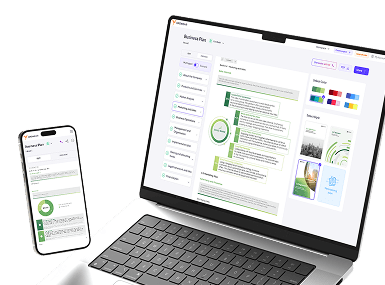
Growexa builds a complete, lender-ready business plan — with financial logic and a professionally formatted PDF
The Management and Organization section introduces the leadership behind the Nanny Agency. It outlines experience in childcare, human resources, recruitment, or professional services. Strong leadership balances empathy with structure and accountability.
The business plan defines roles such as placement coordinators, caregiver recruiters, client relationship managers, compliance oversight, and administrative support. Training emphasizes ethics, communication, and risk awareness.
This section demonstrates that the Nanny Agency is professionally managed rather than informally brokered.
Launching or scaling a Nanny Agency requires capital for technology platforms, marketing, recruitment, legal setup, and working capital. This section of the business plan outlines funding sources such as owner equity, loans, or strategic partners.
The business plan explains how funds are allocated to strengthen screening processes, brand credibility, and client acquisition. Disciplined capital planning ensures the Nanny Agency grows sustainably without compromising standards.
The Financial Plan translates the Nanny Agency strategy into financial projections. This section of the business plan includes revenue forecasts based on placement volume, average fees, subscription uptake, and client retention.
Expense projections include staff salaries, background checks, marketing, technology, insurance, and administration. The business plan provides cash-flow projections, breakeven analysis, and multi-year profitability scenarios. Sensitivity analysis addresses demand variability and regulatory costs.
A successful Nanny Agency is built on trust reinforced by structure. While personal relationships drive demand, only businesses guided by a structured business plan achieve long-term sustainability. By aligning recruitment, operations, marketing, and financial planning, the business plan transforms a Nanny Agency into a resilient and scalable professional service enterprise. With the right foundation, a Nanny Agency can support families, empower caregivers, and create lasting business value.
Entrepreneurs ready to launch or grow a Nanny Agency can leverage platforms like Growexa, where expert planning tools turn service concepts into polished, investor-ready business plans designed for sustainable success.
A Nanny Agency operates in a high-trust, high-liability environment where legal compliance, reputation, and service consistency are critical. A structured business plan helps a Nanny Agency define screening standards, pricing models, risk management, and scalable growth without compromising safety or quality.

