
Stop editing templates
Start building a plan that gets approved
Turn this template into a complete business plan with:
- Financial projections
- Loan-ready structure
- Clear repayment logic
Based on 40+ bank requirements

Light defines space more than almost any other design element. It shapes mood, determines visibility, enhances architecture, and influences how people experience both homes and commercial environments. From a single bedside lamp to complex layered lighting systems in hospitality and retail spaces, illumination is a functional necessity and a design statement at the same time. This intersection of utility and aesthetics has created a thriving retail niche for the modern Lighting Store. Today’s Lighting Store is not merely a place where customers buy bulbs and fixtures—it is a destination where design, technology, and atmosphere converge.
Over the past decade, the lighting industry has experienced rapid evolution driven by energy-efficient LED technology, smart-home integration, architectural lighting trends, and growing consumer interest in interior design. As homes increasingly serve multiple purposes—living spaces, workplaces, and entertainment environments—the demand for thoughtful lighting solutions has expanded dramatically. A well-curated Lighting Store now appeals to homeowners, interior designers, property developers, hospitality businesses, and architects seeking both functional illumination and visual impact.
However, building a successful Lighting Store requires more than attractive fixtures. Lighting retail involves technical knowledge, supplier relationships, product compatibility considerations, and a clear merchandising strategy. Customers often rely on lighting professionals to guide decisions about brightness levels, installation compatibility, and style coordination. In such a specialized environment, a carefully structured business plan becomes essential. A comprehensive business plan transforms a Lighting Store from a simple product showroom into a sophisticated retail and consultation business capable of long-term growth.
This Lighting Store Business Plan outlines the strategic framework necessary to launch and operate a modern lighting retail enterprise. It integrates design expertise, customer service strategy, operational structure, and financial planning to support sustainable development within the evolving lighting industry.
Turn this template into a complete business plan with:
Based on 40+ bank requirements


Most business plans fail not because of the idea — but because the numbers don’t prove repayment.
Build a bank-ready business plan in minutes
(with projections, structure, and validation)
The Executive Summary introduces the Lighting Store as a specialized retail business dedicated to providing lighting fixtures, accessories, and design guidance for residential and commercial spaces. The mission outlined in this business plan is to create a Lighting Store that combines aesthetic inspiration with technical expertise, helping customers choose lighting solutions that improve both functionality and atmosphere.
The Lighting Store differentiates itself through curated product collections, knowledgeable staff, and an immersive showroom experience. Instead of offering generic lighting inventory, the business plan positions the Lighting Store as a destination where customers can explore lighting styles, compare illumination effects, and receive expert guidance.
Product categories offered by the Lighting Store may include pendant lights, chandeliers, wall sconces, table lamps, floor lamps, outdoor lighting, smart lighting systems, LED fixtures, and decorative lighting accessories. The business plan emphasizes a balance between timeless designs and contemporary trends, ensuring that the store remains visually relevant while maintaining long-term product value.
Revenue streams include retail sales, project-based lighting consultation, bulk orders for property developers, and potential e-commerce transactions. By combining product expertise with thoughtful customer service, the Lighting Store creates a retail model that supports both design inspiration and commercial success.
The Company Overview defines the operational structure and identity of the Lighting Store. The business operates as a specialty retail environment dedicated to lighting products and design guidance.
The business plan outlines ownership structure, retail licensing requirements, and supplier relationships with lighting manufacturers and distributors. Reliable supplier partnerships ensure that the Lighting Store maintains consistent product availability and quality standards.
The physical showroom is an important element of the Lighting Store experience. Unlike many retail products, lighting fixtures must be seen in action to fully appreciate their brightness, color temperature, and aesthetic effect. The business plan therefore prioritizes a showroom layout where customers can view multiple lighting setups and compare styles in real time.
Operational workflows include inventory management, supplier procurement, product display maintenance, and customer consultation services. The business plan explains how these processes help the Lighting Store operate efficiently while maintaining high presentation standards.
Location strategy also plays an important role. A Lighting Store often benefits from placement near home improvement districts, furniture retailers, or interior design showrooms where customers are actively searching for home improvement solutions.
The Market Analysis evaluates demand within the lighting retail industry. Residential construction, renovation projects, interior design trends, and technological innovation all contribute to steady demand for lighting products.
The business plan identifies several key customer segments served by the Lighting Store. Homeowners seeking decorative lighting upgrades represent a primary audience. Interior designers and architects often rely on specialty retailers when sourcing unique fixtures for design projects. Commercial clients such as restaurants, hotels, and retail stores also require distinctive lighting solutions.
Competition may come from large home improvement chains, furniture retailers, and online lighting marketplaces. However, the business plan highlights the competitive advantage of a specialized Lighting Store that offers design expertise, product demonstrations, and personalized consultation.
Technological trends further support market growth. Smart lighting systems, energy-efficient LED solutions, and customizable lighting environments have expanded consumer interest in lighting upgrades.
Marketing for a Lighting Store relies heavily on visual storytelling and design inspiration. This section of the business plan outlines strategies designed to position the store as a trusted authority in lighting design.
The Lighting Store uses high-quality photography and showroom displays to showcase lighting products within styled interior environments. Demonstrating how lighting transforms a space helps customers visualize the impact of their purchases.
Digital marketing channels such as social media and design-focused websites allow the Lighting Store to share lighting tips, installation ideas, and project showcases. Educational content builds credibility and attracts customers seeking guidance.
Partnerships with interior designers, architects, and contractors further strengthen the store’s professional network. These relationships often generate repeat business through project-based purchases.
Seasonal lighting collections and promotional events help maintain customer engagement throughout the year.
The Operations Plan describes the daily functioning of the Lighting Store. Lighting fixtures often require careful handling, storage, and display due to their size and fragility.
The business plan outlines procurement processes, inventory tracking systems, and product testing procedures that ensure consistent quality. Display fixtures must remain operational so customers can see lighting products in action.
Retail staff assist customers with product comparisons, brightness recommendations, and installation guidance. Clear labeling and organized displays make it easier for customers to explore available options.
Efficient operations allow the Lighting Store to maintain a professional showroom environment while managing a complex product catalog.
No connection between:
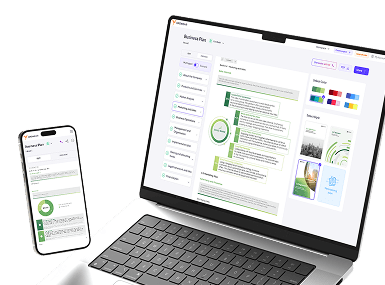
Growexa builds a complete, lender-ready business plan — with financial logic and a professionally formatted PDF
The Management and Organization section explains the leadership structure of the Lighting Store. The business may be led by an entrepreneur with experience in retail, interior design, or architectural lighting.
Additional team members may include showroom sales associates, lighting consultants, inventory coordinators, and marketing staff responsible for promotional campaigns.
Employee training focuses on both design knowledge and technical expertise. Staff members should understand lighting terminology such as lumens, color temperature, and energy efficiency to assist customers effectively.
A strong team culture ensures that the Lighting Store delivers both exceptional service and reliable product guidance.
Launching a Lighting Store requires significant investment in showroom design, lighting displays, inventory procurement, and marketing initiatives. This section of the business plan outlines funding requirements and capital allocation strategies.
Initial funding may come from personal investment, retail business loans, or partnerships with lighting manufacturers interested in showroom distribution. Funds are allocated toward store fixtures, lighting display installations, inventory purchases, and branding efforts.
The business plan also includes contingency funds that support operations during early months while the Lighting Store establishes its reputation within the market.
The Financial Plan translates the Lighting Store concept into a structured financial model. Revenue projections are based on average purchase value, showroom traffic, and project-based sales.
Operating expenses include product procurement, staff salaries, showroom rent, utilities, marketing costs, and inventory storage. The business plan outlines financial forecasts demonstrating how the Lighting Store can achieve profitability through effective inventory management and strong supplier relationships.
Additional revenue opportunities may include online retail expansion, lighting consultation services, and partnerships with construction firms or design studios.
Lighting has evolved from a purely functional element into a defining component of modern interior design. A well-curated Lighting Store can serve as both a retail destination and a design resource for customers seeking to transform their environments.
However, success in the lighting industry requires more than attractive products. Technical knowledge, supplier relationships, operational discipline, and financial planning all contribute to long-term stability. A comprehensive business plan provides the roadmap necessary to transform a lighting retail concept into a sustainable enterprise.
Entrepreneurs entering this sector often benefit from structured planning platforms such as Growexa, which help founders organize strategies, develop financial forecasts, and create investor-ready business plans. With a well-designed business plan guiding its development, a Lighting Store can illuminate not only customer spaces but also a profitable path for long-term business growth.
A Lighting Store operates in a specialized retail category that combines design aesthetics with technical specifications. A well-structured business plan outlines supplier relationships, product categories, pricing strategies, marketing efforts, and financial projections, ensuring the Lighting Store develops as a sustainable and professionally managed business.
A comprehensive business plan typically includes a wide range of products such as chandeliers, pendant lights, wall sconces, table lamps, floor lamps, outdoor lighting fixtures, LED systems, and smart lighting technologies. A diversified product mix allows a Lighting Store to serve both residential and commercial customers.
Customers may include homeowners renovating their spaces, interior designers sourcing decorative lighting, architects working on construction projects, and business owners upgrading commercial environments. A strong business plan identifies these segments and tailors the Lighting Store’s product selection and services to their needs.
A successful Lighting Store differentiates itself through expert consultation, live product demonstrations, curated collections, and personalized design advice. A strategic business plan emphasizes these advantages to create a customer experience that online marketplaces often cannot provide.
A Lighting Store should review and update its business plan when introducing new lighting technologies, expanding product categories, launching e-commerce capabilities, or opening additional showroom locations. Regular updates help the business adapt to evolving design trends and industry innovations.

