
Stop editing templates
Start building a plan that gets approved
Turn this template into a complete business plan with:
- Financial projections
- Loan-ready structure
- Clear repayment logic
Based on 40+ bank requirements

A modern Juice Bar sits at the intersection of wellness culture, convenience, and lifestyle branding. Consumers today want fresh ingredients, nutrient-rich blends, functional beverages, and transparent sourcing—all delivered with speed, style, and an engaging brand experience. A Juice Bar is no longer simply a counter offering smoothies and fruit cups; it is a wellness-oriented micro-business shaped by health trends, social media influence, and urban consumer expectations. To build a profitable Juice Bar, an entrepreneur must combine creativity with operational discipline, transforming a simple beverage concept into a compelling brand. A comprehensive business plan becomes the foundation for achieving this goal, ensuring the Juice Bar launches with clarity, structure, and long-term financial sustainability.
A strong business plan also communicates credibility to landlords, lenders, investors, partners, and suppliers. It proves that the Juice Bar’s model is grounded in market demand, operational efficiency, and strategic differentiation. The business plan outlines everything from menu design and equipment needs to staffing, pricing, customer acquisition, and financial forecasting. In a category defined by freshness, speed, and consistency, the business plan ensures the Juice Bar has the systems, structure, and vision needed to thrive in a competitive environment.
Turn this template into a complete business plan with:
Based on 40+ bank requirements




Most business plans fail not because of the idea — but because the numbers don’t prove repayment.
Build a bank-ready business plan in minutes
(with projections, structure, and validation)
The Executive Summary introduces the Juice Bar concept as a health-forward retail venture designed to serve modern consumers seeking nutritious beverages, clean ingredients, and convenient wellness solutions. The business plan outlines the Juice Bar’s mission—perhaps to offer cold-pressed juices, handcrafted smoothies, functional shots, protein-focused blends, plant-based snacks, or detox cleanses made with fresh, locally sourced ingredients. It defines the target customer base: busy professionals, fitness enthusiasts, students, parents, and health-conscious consumers looking for quick, high-quality options.
This section also explains the Juice Bar’s value proposition—speed, freshness, transparency, customizable blends, nutrient-focused recipes, and a brand aesthetic that resonates with modern wellness culture. The business plan previews financial projections, startup requirements, expected sales volume, and early-stage growth initiatives. By the end of the Executive Summary, stakeholders should clearly understand why the Juice Bar is positioned for success and how the business plan ensures structured execution.
The Company Overview section describes the Juice Bar’s brand identity, founding story, and long-term vision. It outlines the brand’s personality—whether minimalist and clean, vibrant and energetic, premium and wellness-driven, or community-rooted. The business plan includes the Juice Bar’s legal structure, ownership, intellectual property considerations (such as recipe development, branding, or packaging), and market positioning.
This section defines the menu direction: cold-pressed juices, smoothie bowls, green blends, immunity shots, detox combinations, high-protein options, seasonal specials, and plant-based snacks. The business plan clarifies how ingredients will be sourced—local farms, organic suppliers, or specialty distributors—reflecting the Juice Bar’s commitment to quality.
Location strategy is essential. The business plan explains why the selected area—near gyms, universities, corporate districts, shopping centers, or suburban communities—offers strong demand for a Juice Bar. It describes the store layout, preparation workflow, equipment needs, signage style, and aesthetic that create an inviting, modern environment. Together, these elements establish the Juice Bar as a brand with clear identity and purpose.
The Market Analysis section of the business plan examines the growing wellness and functional beverage industry. Global interest in healthier lifestyles, plant-based nutrition, and natural ingredients has propelled Juice Bar demand across both urban and suburban markets. Consumers are willing to pay premium prices for beverages that offer real nutritional value, authenticity, and freshness.
This business plan evaluates direct competitors including independent Juice Bars, smoothie chains, health cafés, fitness-center cafés, and grocery-store juice counters. It also considers indirect competitors such as coffee shops, fast-casual restaurants, and convenience stores selling bottled juices. A Juice Bar differentiates itself through ingredient quality, made-to-order freshness, brand storytelling, functional benefits, and transparent nutritional information. The market analysis identifies consumer gaps—such as lack of cold-pressed options, limited plant-based offerings, or insufficient customization—and positions the Juice Bar to meet these needs.
Customer behavior is central to this business plan. Consumers seek energizing morning blends, post-workout fuel, mid-day refreshment, and wellness-driven lifestyle choices. The market analysis highlights trends such as immunity-focused beverages, low-sugar options, protein add-ons, seasonal fruits, and sustainable packaging. Understanding these trends allows the Juice Bar to craft a menu and brand experience that align with evolving preferences.
Marketing for a Juice Bar revolves around visual appeal, health messaging, and lifestyle alignment. This section of the business plan outlines how the Juice Bar will attract customers using a combination of branding, digital engagement, and community presence. A Juice Bar must look healthy, feel healthy, and communicate health through its visual identity, store design, and content.
Digital marketing is essential. The business plan includes social media strategy, influencer collaborations, branded visuals, nutrition-focused storytelling, and consistent posting of vibrant product photos. Search visibility, local advertising, email campaigns, and loyalty programs further support customer acquisition.
Sales strategy in a Juice Bar depends on strong menu engineering, clear upsell opportunities, and attractive bundle pricing. The business plan covers loyalty rewards, seasonal menus, cleanse packages, subscription-style offerings, and wellness partnerships with gyms, yoga studios, fitness trainers, and wellness influencers.
Community involvement also matters. Pop-up tastings, local events, sponsorships, and sampling campaigns help build awareness. A strategic business plan ensures the Juice Bar builds relationships, communicates its values, and positions itself as a trusted part of the wellness ecosystem.
A Juice Bar’s operations determine consistency, speed, and product quality. The Operations Plan section of the business plan explains production workflows, ingredient preparation, storage systems, and daily routines that keep service efficient and smooth. It outlines equipment needs—juicers, blenders, refrigerators, freezers, prep tables, and point-of-sale systems—and describes how workspace layout supports fast production.
Ingredient sourcing and freshness standards are essential. The business plan details procurement schedules, vendor partnerships, receiving protocols, storage temperatures, and quality control processes. It also addresses food safety compliance, sanitation practices, waste reduction systems, and sustainability initiatives such as composting or biodegradable packaging.
Staffing procedures are included: training, shift scheduling, recipe accuracy, customer service expectations, and health protocols. The business plan shows how the Juice Bar will maintain consistent flavor, speed, and presentation across all orders. Operations also include inventory management, supplier coordination, and seasonal product adjustments. A solid operations plan ensures the Juice Bar delivers a reliable, enjoyable experience every day.
Leadership shapes the culture and discipline of the Juice Bar. The Management and Organization section introduces the founder and key team members responsible for operations, menu development, marketing, staffing, and financial oversight. This part of the business plan outlines relevant experience in hospitality, nutrition, culinary arts, or retail management.
The business plan describes the organizational structure: daily managers, lead juicers, shift supervisors, front-of-house staff, prep personnel, and administrative roles. Training, performance standards, communication systems, and team culture are highlighted as essential to delivering a consistent Juice Bar experience.
A well-articulated management plan demonstrates that the Juice Bar is not only creative but professionally organized, reinforcing long-term stability and growth potential.
No connection between:
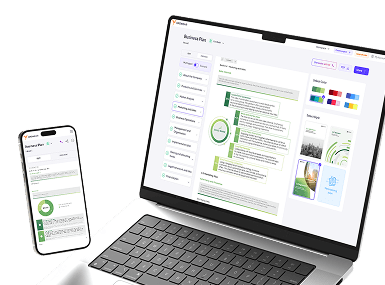
Growexa builds a complete, lender-ready business plan — with financial logic and a professionally formatted PDF
Launching a Juice Bar requires startup capital for equipment, leasehold improvements, initial inventory, branding, hiring, packaging, and marketing. This section of the business plan breaks down total startup costs, including build-out, refrigeration equipment, juicers, blenders, prep tools, furnishings, signage, and working capital.
Funding sources may include personal investment, small business loans, health-focused investors, equipment financing, or community-based funding. The business plan explains why the Juice Bar is a strong investment opportunity, backed by health-driven demand, premium pricing potential, and recurring revenue from frequent customers.
Allocation strategy is also essential. The business plan outlines how funds will be distributed across critical areas such as equipment, hiring, marketing, and operations. Careful allocation ensures that the Juice Bar launches efficiently and maintains financial stability during the early months.
The Financial Plan translates the Juice Bar concept into revenue projections, expense forecasts, and long-term financial modeling. This business plan section estimates revenue based on cup size pricing, average order value, seasonal demand, and customer frequency. It outlines cost of goods, labor costs, rent, utilities, marketing expenses, and supply needs.
The business plan includes breakeven analysis, profitability timeline, cash-flow planning, and contingency strategies. It demonstrates how the Juice Bar will maintain healthy margins through efficient ingredient purchasing, optimized labor scheduling, smart menu pricing, and strong repeat business. Clear financial logic strengthens investor confidence and provides a roadmap for sustainable growth.
A successful Juice Bar blends nutrition, branding, speed, and consistency into a modern wellness experience. While the essence of a Juice Bar lies in freshness and flavor, long-term success depends on disciplined operations, strategic marketing, and a strong business plan that supports every stage of launch and expansion. By understanding consumer demand, building a compelling brand, and creating an efficient operational model, a Juice Bar can become a trusted destination in the wellness economy.
Entrepreneurs ready to bring their Juice Bar concept to life can leverage platforms like Growexa, where expert planning tools turn fresh ideas into polished, investor-ready business plans.
Startup costs depend on location, equipment quality, and store size. A strong business plan outlines expenses for juicers, blenders, refrigeration, build-out, signage, initial inventory, staffing, and marketing. Many Juice Bar founders begin with a compact footprint to reduce upfront investment and scale gradually.
Yes—if built on efficiency, ingredient consistency, and strong branding. A well-designed business plan highlights revenue potential from smoothies, cold-pressed juices, shots, bowls, cleanse packages, and snack add-ons. Profitability increases with repeat customers and strategic partnerships with gyms, wellness studios, and local events.
Differentiation comes from ingredient transparency, customizable blends, signature recipes, functional benefits, eco-friendly packaging, and a memorable brand experience. The business plan explains how the Juice Bar’s identity, menu engineering, and visual branding create a competitive edge.

