
Stop editing templates
Start building a plan that gets approved
Turn this template into a complete business plan with:
- Financial projections
- Loan-ready structure
- Clear repayment logic
Based on 40+ bank requirements

Few ventures combine predictability and scalability like a Laundry business. In every economy, clothes must be washed, linens must be cleaned, and customers must trust someone to handle both. The beauty of learning how to start a Laundry operation lies in its balance of necessity and innovation: while demand is constant, the delivery model evolves — from self-service laundromats to app-driven, on-demand pick-up and delivery systems.
For decades, the Laundry industry was seen as an unglamorous local service — repetitive, operational, unscalable. Yet over the past few years, entrepreneurs have reinvented it through technology, sustainability, and convenience. What was once a neighborhood utility has now become an ecosystem of recurring revenue, data-driven logistics, and brand loyalty. That’s why understanding how to start a Laundry business today is not about turning on machines — it’s about turning on systems.
Starting a Laundry business begins with a simple observation: people will always pay for time. In cities where lifestyles accelerate and apartments shrink, outsourcing basic chores becomes a lifestyle upgrade. But transforming that insight into a profitable venture requires method, discipline, and strategic sequencing. You need the right model, the right market, and the right mix of automation and human touch.
This guide breaks down how to start a Laundry business from zero — practically, intelligently, and sustainably. It’s not just about washing clothes; it’s about cleaning up inefficiency, monetizing reliability, and building a business that runs on trust and precision.
Turn this template into a complete business plan with:
Based on 40+ bank requirements


Most business plans fail not because of the idea — but because the numbers don’t prove repayment.
Build a bank-ready business plan in minutes
(with projections, structure, and validation)
The first decision in learning how to start a Laundry business is choosing what kind of operation you’ll build. Each model defines your capital structure, customer base, and long-term growth trajectory. There’s no one-size-fits-all — the Laundry industry is surprisingly diverse.
At one end of the spectrum lies the self-service laundromat, where customers pay per load using coin or card-operated machines. This model offers stable, recurring income with minimal staffing, making it ideal for investors seeking passive operations. The challenge? Location and volume. The key to profitability lies in maximizing machine utilization rates — every idle minute is lost revenue.
Then there’s the full-service Laundry, catering to clients who prefer convenience over cost. These operations manage everything — from washing and folding to pickup and delivery. Understanding how to start this type of Laundry business involves integrating logistics and customer service. You’ll need scheduling software, branded packaging, and reliable drivers who can maintain the brand’s professionalism from doorstep to delivery.

Finally, consider B2B Laundry services — supplying hotels, gyms, hospitals, or restaurants. This model requires larger equipment, industrial washers, and steady bulk contracts. The entry costs are higher, but so is the stability. Many entrepreneurs learning how to start a Laundry business eventually transition from consumer markets to B2B clients for predictable volume and higher margins.
Whichever path you choose, the golden rule remains: clarity before capital. Your business model determines everything else — from real estate decisions to marketing tone. You’re not just starting a Laundry shop; you’re creating a service platform that must balance cost control, operational flow, and customer trust.
In short, how to start a Laundry business begins with defining who you serve and how you deliver. The rest — from machines to marketing — flows naturally from that choice.
If you want to understand how to start a Laundry business that lasts, you have to understand where and for whom you’re building it. A good location can make an average Laundry thrive; a poor one can bankrupt even the most efficient operator. Market research and site analysis are the foundation of everything — your pricing, service design, and marketing depend on them.

Start by studying the population density and demographics around your potential area. A Laundry business performs best in neighborhoods with high renter populations, busy professionals, and limited access to in-unit washers or dryers. Look for the daily flow of foot traffic, the number of nearby apartments, and proximity to complementary businesses like supermarkets or cafes. The key is convenience — customers should be able to integrate your Laundry stop into their existing routines.
Understanding how to start a Laundry business also means knowing your competitors intimately. Visit other laundromats and observe not only their pricing but their user experience. How clean are they? How long do customers wait? Do they offer Wi-Fi, loyalty cards, or pickup services? These insights aren’t just anecdotal — they become your blueprint for differentiation. If every Laundry in your area feels outdated, a modern, tech-enabled facility instantly becomes a competitive edge.
Market research isn’t complete without analyzing the economics. Calculate your break-even point based on machine capacity, average load per day, and operational costs like utilities, detergent, and labor. Many entrepreneurs underestimate electricity and water expenses — yet they form the silent backbone of the Laundry cost structure. Mapping these variables early will define your pricing power and long-term sustainability.
A final element of how to start a Laundry business strategically is to anticipate future demand. Urbanization, student housing, and delivery apps have reshaped how people manage chores. Evaluate trends — more people work remotely but still value convenience. Knowing where consumer habits are going is as important as knowing where they are now.
Once you know your market, the next step in how to start a Laundry business is translating insights into a structured financial strategy. A Laundry might look simple, but behind every spin cycle lies a capital-intensive operation — equipment, utilities, leases, and maintenance all demand foresight.
Start with your startup budget. This typically includes the cost of commercial washers and dryers (which can range from $2,000 to $15,000 per unit), renovation, plumbing, signage, and initial detergent supply. Depending on your model — self-service or full-service — your initial investment could vary from $50,000 for a small laundromat to over $500,000 for a multi-location delivery Laundry business. A solid financial plan helps you identify how much capital you’ll need to raise and how quickly you can expect ROI.
Then, project your operating expenses: rent, insurance, labor, electricity, water, software subscriptions, and machine maintenance. Laundry machines are built for endurance, but their upkeep defines your margin. Set aside at least 5–10% of your monthly revenue for ongoing maintenance — preventive care saves thousands in the long run.
Knowing how to start a Laundry business properly also involves pricing strategy. You can’t simply copy competitors; your pricing must reflect machine efficiency, turnaround time, and customer convenience. For example, premium Laundry services offering same-day delivery can charge 30–40% higher rates than basic wash-and-fold operations, provided the experience matches the price.
Finally, prepare a cash flow plan for your first year. Laundry businesses often take three to six months to stabilize, so working capital is essential. Lenders and investors want to see realistic timelines for revenue growth — not overnight success stories. A credible business plan signals that your Laundry business isn’t built on hope, but on disciplined execution.
In the end, how to start a Laundry business is not just about buying machines and opening doors. It’s about constructing a resilient financial model that can handle slow seasons, rising utility costs, and customer churn — while still delivering consistent profit.
Every entrepreneur who studies how to start a Laundry business eventually realizes that success doesn’t begin with machines — it begins with compliance. The Laundry industry sits at the intersection of hygiene, environment, and safety regulations. Getting your paperwork right protects you from operational shutdowns, legal risks, and unnecessary delays later.
Start by registering your Laundry business legally — choose a structure that matches your goals. Many small laundromats begin as sole proprietorships or LLCs for simplicity, while larger or franchise-style operations often incorporate for liability protection. Once registered, check your local business licensing office for permits related to water usage, waste management, chemical disposal, and energy efficiency. In most regions, laundries are classified as “wet processing” facilities and require environmental compliance certificates.
Understanding how to start a Laundry business also means securing insurance — property, liability, and employee coverage. A minor water leak or electrical short can cause thousands in damage; proper insurance transforms accidents into manageable events rather than existential crises.
Next, build relationships with suppliers. Your detergent vendors, equipment manufacturers, and service technicians will form the ecosystem of your Laundry business. Negotiate long-term supply contracts early; this stabilizes your pricing and ensures consistent quality. Many modern Laundry owners also partner with eco-friendly chemical suppliers, which not only improves sustainability but attracts environmentally conscious clients.
Permits and suppliers might seem bureaucratic, but they’re the infrastructure of trust. When your Laundry operates transparently and professionally, it earns both customer confidence and operational peace of mind.
In every conversation about how to start a Laundry business, layout is the hidden differentiator. You’re not just arranging machines — you’re designing flow, efficiency, and customer experience. Whether you operate a self-service laundromat or a full-service facility, your space should balance utility and comfort.
Start by mapping your Laundry workflow. The goal is to minimize movement and maximize productivity. In a self-service model, machines should be grouped logically by load size and easy to access. Ensure clear visibility between washers and dryers, bright lighting, and proper ventilation. A pleasant, well-lit environment increases dwell time and repeat visits — your space becomes part of the brand.
If you’re building a full-service or commercial Laundry, layout design becomes more industrial. Separate clean and dirty zones to prevent contamination. Create an assembly line logic: intake → sorting → washing → drying → folding → packaging. Efficiency here directly affects profit margins — every minute saved per load adds up to hundreds of extra washes per month.
When learning how to start a Laundry business, equipment selection is where vision meets math. Industrial machines cost more upfront but last longer and consume less water and electricity per cycle. Smart washers and dryers with IoT connectivity allow you to monitor cycles remotely, track maintenance, and analyze utilization — an edge modern operators can’t ignore.
Include space for future scalability — adding a few extra connections or outlets now costs little but saves thousands later when you expand. Don’t overlook ergonomics either: your employees or customers should move naturally through the space, with no unnecessary strain or confusion.
In short, how to start a Laundry business that’s both profitable and sustainable begins with great design. A well-planned layout and quality equipment don’t just make operations easier — they silently communicate professionalism and reliability to every customer who walks in.
In the age of convenience, a Laundry business is no longer just about clean clothes — it’s about trust, time, and brand experience. If you truly want to master how to start a Laundry business that stands out, you must think like both an operator and a storyteller. People remember reliability, but they also remember how your brand made them feel.
Start with identity. Give your Laundry business a name that reflects consistency and care — something short, easy to spell, and modern. Invest in visual branding: your logo, colors, and signage should communicate cleanliness and simplicity. When customers pass by your storefront or open your app, they should instantly associate it with professionalism and reliability.
Pricing is the next cornerstone. A strong pricing model communicates your market position more clearly than any ad campaign. Research your local rates, then decide whether you’ll compete on accessibility or premium experience. For instance, a standard laundromat may charge by the load, while a full-service pickup Laundry business can set dynamic pricing based on speed or volume. Understanding how to start your pricing strategy correctly ensures you attract the right clientele and maintain healthy margins.
Marketing in the Laundry sector is hyperlocal but increasingly digital. Register your business on Google Maps, optimize your reviews, and run localized ads. Offer referral bonuses for loyal customers and discounts for bulk orders. Social proof — before-and-after photos, customer testimonials, and online ratings — can do more for your business than traditional advertising.
Community engagement is another underrated tactic. Sponsor a local event, offer special rates for students or healthcare workers, or run a “free wash day” for promotion. These small gestures transform a functional Laundry into a brand people genuinely care about.
The secret of how to start a Laundry business that scales is simple: combine operational excellence with emotional resonance. When you align your service reliability with authentic branding, customers won’t just return — they’ll refer.
No connection between:
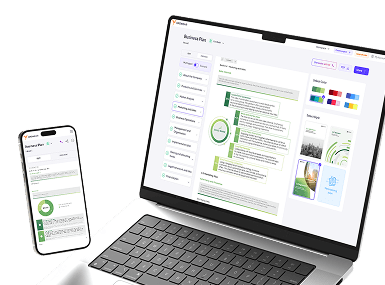
Growexa builds a complete, lender-ready business plan — with financial logic and a professionally formatted PDF
Behind every thriving Laundry business lies one defining principle: discipline. Machines can wash, but systems make money. Once your doors open, operational control becomes the heartbeat of sustainability. Learning how to start managing a Laundry business correctly separates stable operations from daily chaos.
Start with staffing. Even small laundromats need dependable attendants who understand not just how to handle equipment, but how to handle people. In a full-service model, your team’s communication and punctuality matter as much as fabric care. Training them in customer interaction, order tracking, and safety protocols ensures a consistent brand experience.
Implement standard operating procedures (SOPs) for everything — from sorting clothes to resolving complaints. These SOPs become your invisible manager, ensuring quality even when you’re not on-site. The more clearly you define workflows, the easier it becomes to scale your Laundry business without losing control.

Next, adopt simple but powerful tools for management. A CRM can track customer preferences and automate pickup reminders. Accounting software helps you monitor costs, wages, and seasonal fluctuations. When you understand how to start integrating technology into your Laundry business, efficiency stops being optional — it becomes your advantage.
Customer experience is your brand’s silent ambassador. Create a frictionless journey: clear signage, friendly service, on-time delivery, and transparent pricing. Even small touches — scented packaging, neatly folded garments, thank-you cards — convert casual users into loyal clients.
Lastly, always monitor performance metrics: machine uptime, average order value, customer retention, and utility consumption. A well-managed Laundry business runs like a rhythm — measurable, predictable, and profitable. When you control your operations, you control your destiny.
Once your operations run smoothly and your client base stabilizes, the real challenge begins — scaling. Understanding how to start a Laundry business is only the beginning; knowing how to grow it sustainably is where long-term wealth is created. Scaling is not about adding chaos — it’s about multiplying efficiency while maintaining the same spotless reliability your customers already trust.
The first stage of expansion is capacity optimization. Before opening a second location or buying new machines, analyze how effectively you’re using your current resources. Are your washers operating at full load cycles during peak hours? Can you extend working hours or introduce night-time pricing to maximize throughput? A smart Laundry owner increases utilization before expansion — this is operational scaling, not just physical growth.
Next comes service diversification. If you began as a self-service laundromat, consider adding wash-and-fold options, ironing, or delivery subscriptions. If you started with local household clients, explore B2B Laundry contracts with hotels, restaurants, and gyms. Each new service line compounds your revenue without necessarily multiplying costs. This strategic layering is one of the hidden secrets of how to start and scale a Laundry business profitably.
Technology also plays a defining role in growth. Digital scheduling tools, mobile apps, and smart lockers are reshaping how customers interact with Laundry services. Building a mobile-friendly booking platform or subscription model turns a traditional Laundry into a modern logistics business. It also makes your operation data-driven — letting you track peak times, repeat clients, and predictive maintenance schedules in real time.
Finally, consider brand extension. Once you master your local market, open satellite locations or franchise your model. Franchising works especially well in Laundry because of standardized operations and repeatable customer behavior. Just ensure your brand manual, training materials, and supplier relationships are documented before replicating. Scaling a Laundry business is about rhythm — expanding only when systems are ready to carry more weight. Every great Laundry entrepreneur knows: success isn’t in the number of machines you own, but in the number of satisfied customers who never think twice about trusting you again.
Laundry may seem like a simple chore, but behind every successful operation lies a blend of precision, reliability, and strategy. Understanding how to start a Laundry business is about more than washing clothes — it’s about engineering consistency, managing details, and building trust that repeats week after week.
The Laundry industry sits at a fascinating intersection of stability and innovation. It’s a business where efficiency creates margin, where brand creates loyalty, and where discipline creates freedom. With the right plan, even a single laundromat can evolve into a network of sustainable income streams — each one powered by process, not personality.
To truly master how to start a Laundry business, treat it as both a service and a system. Build clear operations, invest in durable equipment, embrace automation, and always listen to your customers. Growth follows those who respect the rhythm of their business.
Ready to bring your Laundry business to life? Download the Laundry Business Plan Template to model your own financials and strategy, or explore real-world examples of scalable operations. And if you’re ready to design a fully customized plan, visit Growexa — where AI-driven tools, strategic templates, and expert insights help you turn a simple concept into a resilient Laundry brand.
The cost depends on your model. A small self-service laundromat can start from around $50,000, while a full-service pickup-and-delivery Laundry business may require $200,000–$500,000. The key to mastering how to start a Laundry business is balancing capital investment with long-term sustainability — buying reliable machines, optimizing utilities, and avoiding unnecessary overhead.
Yes, when managed efficiently. Laundry services enjoy steady demand regardless of economic cycles. Profit margins can range from 20% to 40%, depending on scale and automation. Those who truly understand how to start a Laundry business strategically focus on recurring revenue — loyalty programs, B2B contracts, and subscriptions — rather than one-time clients.
Not necessarily. Many successful Laundry entrepreneurs come from retail, logistics, or operations backgrounds. The critical part of how to start a Laundry business is learning the systems — maintenance schedules, customer management, and marketing. Technical tasks can be handled by trained staff or outsourced service providers.
Consistency and convenience win. Offer digital booking, loyalty discounts, and on-time delivery. Keep your facility spotless, communicate clearly, and engage with your local community. The secret behind how to start and grow a Laundry business isn’t flashy advertising — it’s reliability, reputation, and word-of-mouth built through everyday excellence.
Absolutely. The modern Laundry entrepreneur can scale through delivery logistics, partnerships, and digital automation without physical expansion. Subscription models, white-label B2B contracts, and franchising all offer scalable paths. When you understand how to start structuring your Laundry business as a system — not just a storefront — growth becomes limitless.

