
Stop editing templates
Start building a plan that gets approved
Turn this template into a complete business plan with:
- Financial projections
- Loan-ready structure
- Clear repayment logic
Based on 40+ bank requirements

Consumer attitudes toward nutrition and wellness have undergone a profound transformation over the past decade. Health is no longer viewed solely as a medical concern but as an everyday lifestyle priority shaped by food choices, ingredient awareness, and preventative care. Within this environment, the Health Food Store has emerged as a central retail destination for consumers seeking products that support well-being, performance, and long-term vitality. From organic produce and functional foods to dietary supplements and specialized nutrition products, the modern Health Food Store operates at the intersection of retail, education, and lifestyle guidance.
This rapid growth in demand has also intensified competition. Large supermarket chains, online marketplaces, and specialty wellness brands are expanding their presence in the health-focused retail category. As a result, launching a Health Food Store requires more than stocking organic products. It requires strategic positioning, supply chain discipline, and customer trust. In this environment, a comprehensive business plan becomes essential. A well-developed business plan transforms a Health Food Store from a niche retail concept into a structured enterprise capable of sustainable growth in a highly competitive market.
This Health Food Store Business Plan establishes the framework necessary to build such an enterprise. It aligns product sourcing, customer experience, operational systems, and financial management to ensure long-term success in the expanding wellness economy.
Turn this template into a complete business plan with:
Based on 40+ bank requirements


Most business plans fail not because of the idea — but because the numbers don’t prove repayment.
Build a bank-ready business plan in minutes
(with projections, structure, and validation)
The Executive Summary presents the Health Food Store as a specialty retail business dedicated to providing high-quality nutritional products that support healthy living. The Health Food Store serves consumers seeking natural, organic, and functional food options, along with supplements and wellness-related products. The business plan defines the mission as delivering reliable, carefully selected health-focused products supported by knowledgeable service and transparent sourcing.
This Health Food Store differentiates itself through product curation, ingredient integrity, and customer education. Rather than competing solely on price or product volume, the business plan emphasizes trust, expertise, and consistent product quality. The product offering may include organic groceries, specialty dietary items, plant-based alternatives, and nutritional supplements depending on target market positioning.
From a financial perspective, the business plan outlines startup investment, inventory requirements, and revenue streams. Income is generated through retail sales, subscription programs, and specialized product categories. The Executive Summary positions the Health Food Store as a structured retail enterprise guided by disciplined planning rather than opportunistic merchandising.
The Company Overview defines the identity and operational structure of the Health Food Store. It clarifies whether the store focuses on organic groceries, functional nutrition, specialty diets, or comprehensive wellness retail. This positioning shapes all strategic decisions within the business plan, including product selection, supplier relationships, and pricing strategy.
The Health Food Store operates as a legally compliant retail entity with defined ownership and governance. The business plan addresses food safety regulations, labeling requirements, and supplier verification standards. Product authenticity and compliance are treated as core elements of brand credibility.
Operationally, the Health Food Store is structured around disciplined inventory management and supplier coordination. Product freshness, shelf life monitoring, and quality assurance systems ensure reliability. The business plan explains how product selection aligns with customer needs and health trends.
Location strategy plays a central role. The Health Food Store must be accessible to target demographics and aligned with community wellness culture. The business plan ensures that site selection supports consistent customer traffic and long-term growth.
The Market Analysis examines demand drivers shaping the Health Food Store sector. Rising health awareness, dietary personalization, and preventative nutrition continue to expand the consumer base. Customers increasingly seek transparency in ingredient sourcing and production methods.
The business plan evaluates competitive dynamics, including supermarkets, specialty retailers, and online wellness platforms. Differentiation within the Health Food Store category depends on product authenticity, expert guidance, and curated selection rather than price competition alone.
Customer segmentation includes health-conscious individuals, specialty diet consumers, and performance-focused buyers. The business plan aligns product offerings and pricing strategies with these segments.
Market opportunities include functional foods, plant-based nutrition, and personalized wellness products. This analysis ensures that the Health Food Store remains aligned with evolving consumer priorities.
Marketing for a Health Food Store is trust-driven and education-focused. This section of the business plan outlines a strategy centered on brand credibility, product transparency, and customer engagement.
The Health Food Store leverages educational content, community involvement, and digital communication to build awareness. The business plan emphasizes consistent messaging around product integrity and wellness benefits.
Sales strategy focuses on repeat purchases, product loyalty, and subscription models. Pricing reflects quality and sourcing standards rather than discount competition. Customer retention is treated as a central growth driver.
The Operations Plan details the daily functioning of the Health Food Store. It outlines procurement, inventory management, and product handling procedures. Quality control and freshness monitoring are critical operational priorities.
The business plan addresses supplier coordination, storage requirements, and merchandising systems. Technology supports operations through point-of-sale systems and inventory tracking.
Operational discipline ensures consistent product availability and customer satisfaction.
No connection between:
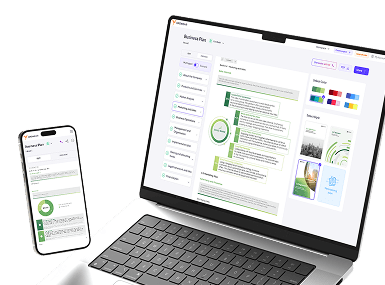
Growexa builds a complete, lender-ready business plan — with financial logic and a professionally formatted PDF
The Management and Organization section outlines the leadership structure of the Health Food Store. It defines roles across store management, inventory control, and customer service.
The business plan emphasizes staff training in product knowledge and customer support. Organizational culture prioritizes wellness education and professional service.
As the store grows, scalable management systems support expansion.
Opening a Health Food Store requires investment in inventory, retail infrastructure, and working capital. This section of the business plan outlines funding needs and capital allocation priorities.
Funding sources may include owner investment, retail financing, or strategic partnerships. Capital allocation prioritizes product quality and operational reliability.
Financial governance supports long-term sustainability.
The Financial Plan translates the Health Food Store concept into a structured economic framework. Revenue projections are based on customer traffic, product mix, and pricing. Expense assumptions include inventory costs, labor, rent, and marketing.
The business plan addresses profitability thresholds, cash flow management, and growth scenarios. Scenario modeling accounts for demand variability.
This financial rigor demonstrates that the Health Food Store operates as a disciplined retail enterprise.
Operating a successful Health Food Store requires more than offering nutritious products. It demands strategic positioning, supply chain discipline, and consistent customer trust. In a market defined by evolving wellness trends and informed consumers, a comprehensive business plan provides the structure necessary to transform health-focused retail into sustainable enterprise value.
By aligning product integrity with operational precision and financial clarity, this Health Food Store is positioned for long-term resilience. Strategic planning platforms such as Growexa support founders in structuring retail concepts, forecasting performance, and building investor-ready business plans that bring discipline to wellness-focused ventures. With a structured business plan as its foundation, a Health Food Store can deliver enduring value to customers, partners, and long-term stakeholders alike.
A Health Food Store operates in a competitive, trust-driven retail environment where product integrity and supply reliability are critical. A formal business plan defines sourcing standards, inventory strategy, pricing structure, and customer positioning, ensuring the store is built for long-term sustainability rather than trend-driven sales.

