
Stop editing templates
Start building a plan that gets approved
Turn this template into a complete business plan with:
- Financial projections
- Loan-ready structure
- Clear repayment logic
Based on 40+ bank requirements

A modern Gift Shop is far more than a small retail store—it is a curated experience built around emotion, aesthetics, personalization, and discovery. Consumers no longer visit a Gift Shop simply to pick up an item; they come for inspiration, beautifully presented products, meaningful gifting solutions, and the feeling of finding something unique. Whether focusing on artisanal goods, lifestyle décor, handmade accessories, stationery, seasonal items, or travel-inspired collections, a successful Gift Shop requires strong brand identity, smart merchandising, and a structured approach to scaling. To create a Gift Shop capable of thriving in a competitive retail environment, a founder must rely on a comprehensive business plan that blends creativity with financial discipline.
A well-structured business plan also communicates professionalism to landlords, investors, wholesalers, and partners. It demonstrates that the Gift Shop is not a spontaneous retail endeavor, but a thoughtfully constructed business model supported by market research, smart positioning, strong vendor relationships, and an understanding of modern consumer behavior. In an era where online and offline retail increasingly merge, a business plan anchors the Gift Shop with strategy, operational clarity, and long-term vision.
Turn this template into a complete business plan with:
Based on 40+ bank requirements


Most business plans fail not because of the idea — but because the numbers don’t prove repayment.
Build a bank-ready business plan in minutes
(with projections, structure, and validation)
The Executive Summary introduces the Gift Shop as a curated retail destination designed to bring joy, emotional connection, and unique merchandise to its community. It outlines the mission of the Gift Shop—whether to offer premium artisanal goods, locally sourced crafts, stylish home décor, travel-inspired collections, wellness-oriented products, or customized gift solutions.
A strong business plan also highlights the Gift Shop’s core value proposition: expert curation, high-quality design, consistent customer service, personalized gift wrapping, online-to-store integration, and a shopping environment that feels both warm and modern. This section addresses the initial product categories, target customer segments, pricing approach, and branding direction.
The business plan presents early financial expectations, including revenue potential based on average transaction size, foot traffic projections, inventory cycles, and seasonal demand. By the end of the executive summary, readers should clearly understand why this Gift Shop fills a meaningful market need and how it can become a recognizable retail brand.
The Company Overview section establishes the Gift Shop’s identity and long-term purpose. It explains the founding vision, the inspiration behind the brand, and the personality the Gift Shop aims to express—whether minimalist and sophisticated, whimsical and colorful, culturally inspired, nature-focused, or artisan-centered.
A robust business plan details the legal structure, ownership, and intellectual property elements such as proprietary packaging, signature scents, custom artwork, or private-label merchandise. The Gift Shop's physical footprint is also described: its layout philosophy, visual merchandising approach, shelving design, lighting style, and customer flow strategy.
Location plays a powerful role in retail success. The business plan outlines why the chosen area is advantageous—foot traffic, tourist appeal, community engagement, or proximity to lifestyle districts. The Company Overview also clarifies whether the Gift Shop will integrate e-commerce, popup markets, corporate gifting services, or partnership programs with local creators.
Together, these elements show the Gift Shop as a cohesive brand with both creative identity and operational intention.
The Market Analysis section explores the evolving retail landscape and the position a modern Gift Shop can carve within it. Consumers increasingly value meaningful purchases, small-batch craftsmanship, sustainability, and curated shopping experiences that reflect personal taste. A strong business plan analyzes these trends and demonstrates how the Gift Shop can translate them into product strategy.
This section evaluates competitors ranging from big-box retailers to boutique Gift Shops, lifestyle stores, artisan markets, pop-up vendors, and online marketplaces. Instead of competing purely on price, the Gift Shop differentiates itself through curation, atmosphere, packaging, storytelling, and unique product sourcing. The business plan identifies gaps in the local market—such as lack of themed collections, insufficient personalization services, or limited availability of handmade goods—and positions the Gift Shop accordingly.
Customer segmentation is a central part of this business plan. Audiences might include tourists, gifting-minded shoppers, home décor lovers, young professionals, parents, or collectors of handcrafted items. Each segment has distinct purchasing behaviors that inform merchandising and marketing strategy. The business plan uses these insights to build a Gift Shop that feels fresh, inviting, and uniquely relevant to its audience.
Marketing for a Gift Shop depends heavily on branding, storytelling, visual presentation, and emotional resonance. This section of the business plan outlines how the Gift Shop will attract customers through a combination of digital presence, experiential retail, and community engagement.
A strong brand identity—cohesive colors, signature packaging, styled product photography, and immersive displays—forms the heart of the Gift Shop’s marketing. The business plan emphasizes social media as a key channel for product reveals, behind-the-scenes content, seasonal collections, and creator collaborations. Email marketing, loyalty programs, influencer partnerships, pop-up experiences, and local advertising further expand visibility.
Sales strategy in a Gift Shop focuses on multi-channel retail. The business plan explains how the Gift Shop will integrate e-commerce, in-store retail, local markets, subscription-style gift boxes, and corporate gifting programs. It highlights pricing tiers, product bundles, seasonal promotions, and upselling opportunities.
Customer experience plays a crucial role. A memorable shopping environment, personalized gift-wrapping, knowledgeable staff, and thoughtful product curation strengthen loyalty. A strategic business plan ensures that the Gift Shop not only attracts customers but converts them into repeat buyers.
The Operations Plan outlines the practical mechanics of running the Gift Shop each day. This section of the business plan describes inventory purchasing cycles, vendor relationships, product sourcing standards, quality control measures, and merchandising strategies that keep the shop visually engaging and well-stocked.
Operations for a Gift Shop involve seasonal planning, inventory forecasting, display rotation, and consistent trend evaluation. The business plan clarifies methods for managing stock levels, preventing over-ordering, and ensuring strong turnover without sacrificing product variety. It outlines how products will be received, tagged, stored, and displayed.
Customer service procedures are also essential. The business plan explains staff training approaches, point-of-sale systems, gift-wrapping workflows, return policies, and the guest engagement philosophy. It also covers store hours, staffing schedules, cleaning routines, and security measures.
By detailing how daily activities will function, the business plan demonstrates that the Gift Shop is operationally prepared for consistency, quality, and growth.
Leadership and staffing shape the heart of a Gift Shop. The Management and Organization section introduces the founder, managers, merchandisers, sales associates, and administrative roles responsible for daily operations. The business plan highlights their experience in retail, merchandising, branding, or customer experience.
Organizational structure matters in a Gift Shop because attention to detail directly affects sales. The business plan outlines how the team will maintain visual standards, product knowledge, customer engagement, and operational flow. Training programs, performance expectations, and communication systems ensure consistent brand execution.
This section also underscores the importance of culture—warm, approachable, creative, and service-driven. A solid business plan shows that the Gift Shop will grow through staff professionalism and cohesive execution.
No connection between:
Growexa builds a complete, lender-ready business plan — with financial logic and a professionally formatted PDF
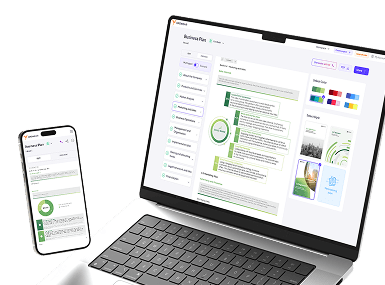
Launching a Gift Shop requires funding for inventory, store build-out, décor, shelving, signage, technology systems, branding, and opening marketing campaigns. This part of the business plan outlines initial capital needs and ongoing financial requirements as the business scales.
Funding sources may include personal investment, retail-focused loans, microloans, community grants, private investors, or crowdfunding for artisan-focused Gift Shops. The business plan explains how funds will be allocated strategically to maximize store appeal, operational efficiency, and profitability potential.
Priorities typically include inventory purchase, store interior design, display fixtures, signage, point-of-sale systems, and early marketing initiatives. A disciplined capital allocation strategy strengthens investor confidence and sets the Gift Shop up for long-term success.
The Financial Plan transforms the Gift Shop vision into measurable financial expectations. This business plan section includes revenue forecasts based on foot traffic projections, average order value, seasonal demand, and multi-channel retail performance. It outlines expense categories such as inventory, staffing, rent, utilities, marketing, packaging, and insurance.
The business plan analyzes breakeven timing, profitability milestones, cash-flow cycles, and inventory investment structure. Because Gift Shops are heavily seasonal, this section evaluates high-demand periods—holidays, local festivals, tourism seasons—and shows how off-peak months will be managed through diversified revenue channels. A strong Financial Plan gives investors and lenders confidence that the Gift Shop can maintain stability, scale sustainably, and achieve meaningful profit margins.
A successful Gift Shop blends creativity, curation, sensory appeal, and strong business fundamentals. While the charm of a Gift Shop lies in the surprises it offers customers, its sustainability depends on thoughtful planning, disciplined operations, strategic marketing, and sound financial management. A comprehensive business plan sets the foundation for a Gift Shop that can withstand competition, adapt to trends, and build a loyal community of customers.
Entrepreneurs ready to bring their Gift Shop concept to life can rely on platforms like Growexa, where expert frameworks and professional planning tools help transform creative retail ideas into polished, investor-ready business plans.
Startup costs vary depending on location, inventory strategy, and store size. A strong business plan outlines expenses such as rent, décor, shelving, signage, initial merchandise, POS systems, and marketing. Many Gift Shop founders start with a lean inventory strategy and expand as sales stabilize.
Profitability comes from curated product selection, strong merchandising, high-margin items, and a memorable customer experience. A detailed business plan explains how the Gift Shop will balance fast-moving products with premium items, use seasonal spikes effectively, and create loyal customers through personalization and service.
A Gift Shop differentiates itself through sensory experience, immediate gratification, personalized recommendations, unique packaging, and curated collections that feel more intuitive than algorithmic browsing. The business plan describes how in-store storytelling and visual ambiance create emotional connections that online stores cannot replicate.
While not mandatory, e-commerce significantly expands reach and helps stabilize sales during off-peak seasons. Many Gift Shop owners integrate a light online catalog, click-and-collect options, or subscription gift boxes. A business plan demonstrates how digital channels complement the physical store rather than replace it.
Inventory management determines whether a Gift Shop thrives or struggles. A strategic business plan covers purchasing cycles, vendor relationships, seasonal planning, and forecasting. It ensures the store avoids overstocking low-demand merchandise while maintaining consistent availability of best-selling items.

