
Stop editing templates
Start building a plan that gets approved
Turn this template into a complete business plan with:
- Financial projections
- Loan-ready structure
- Clear repayment logic
Based on 40+ bank requirements

An Escape Room business sits at the crossroads of entertainment, experiential marketing, and social engagement. In an era where consumers increasingly prioritize memorable experiences over physical products, the Escape Room industry has emerged as a compelling destination for groups seeking collaboration, challenge, and immersion. Corporate teams, families, tourists, students, and friends are drawn to Escape Room experiences that combine storytelling, problem-solving, and adrenaline within a controlled environment. However, transforming a creative concept into a profitable Escape Room enterprise requires far more than clever puzzles. A structured business plan is essential to balance creativity with commercial discipline, ensuring that the Escape Room operates efficiently, attracts consistent traffic, and scales sustainably. The business plan becomes the strategic framework that turns imagination into a viable entertainment business.
While Escape Room businesses appear playful on the surface, they demand rigorous planning. High upfront build-out costs, safety considerations, marketing intensity, and fluctuating demand patterns can quickly erode margins without proper structure. A comprehensive business plan clarifies target markets, theme development, capacity planning, staffing models, pricing strategy, and financial sustainability. It ensures that the Escape Room delivers not only excitement to guests but also predictable returns to owners. In a competitive leisure market, the business plan allows the Escape Room to differentiate through experience quality, operational efficiency, and brand storytelling.
Turn this template into a complete business plan with:
Based on 40+ bank requirements


Most business plans fail not because of the idea — but because the numbers don’t prove repayment.
Build a bank-ready business plan in minutes
(with projections, structure, and validation)
The Executive Summary introduces the Escape Room business as an immersive entertainment venue designed to deliver high-engagement, puzzle-based experiences to group audiences. This section of the business plan defines the mission of the Escape Room, whether focused on adventure themes, mystery narratives, horror experiences, family-friendly challenges, or corporate team-building scenarios. It highlights the value proposition: interactive storytelling, collaborative problem-solving, and time-bound excitement that creates repeat visitation and strong word-of-mouth marketing.
The business plan outlines the target audience, including young professionals, tourists, corporate teams, students, and families. It identifies revenue streams such as ticket sales, private bookings, corporate events, birthday parties, seasonal experiences, and merchandise. By summarizing strategic intent, creative direction, and financial goals, the Executive Summary positions the Escape Room as a scalable entertainment business backed by a clear business plan.
The Company Overview defines the structure, identity, and strategic foundation of the Escape Room business. This section of the business plan explains the legal entity, ownership structure, and operational philosophy. It clarifies whether the Escape Room operates as a single-location venue, a multi-room facility, or a brand with expansion potential.
The business plan describes the thematic approach of the Escape Room, including storyline development, set design, puzzle mechanics, and technology integration. It explains how creativity is balanced with safety, durability, and reset efficiency. Brand positioning focuses on immersion, reliability, and guest satisfaction, critical factors in building a trusted entertainment brand.
Location strategy is also addressed. The business plan explains why the Escape Room is situated in a particular area, such as urban entertainment districts, tourist zones, or shopping centers. Accessibility, foot traffic, and visibility play a key role in success. The Company Overview establishes the Escape Room as both a creative venture and a structured business.
The Market Analysis examines demand drivers shaping the Escape Room industry. Growth in experiential entertainment, corporate team-building activities, and social leisure experiences continues to fuel interest in Escape Room venues. A strong business plan analyzes demographic trends, tourism flows, corporate activity, and local competition to forecast demand accurately.
The business plan evaluates competing Escape Room operators, entertainment venues, arcades, and alternative leisure options. Differentiation is essential. The Market Analysis identifies opportunities such as underserved themes, higher production quality, better customer service, or flexible booking options. Understanding price sensitivity, group behavior, and repeat visitation patterns allows the Escape Room to position itself effectively.
Customer segmentation is explored in depth. Corporate clients prioritize teamwork outcomes, while casual visitors seek novelty and fun. Tourists value accessibility and storytelling, while families focus on safety and inclusivity. The business plan aligns room design, marketing messaging, and pricing with these distinct expectations. By grounding decisions in market insight, the Market Analysis strengthens the Escape Room’s strategic positioning.
The Marketing and Sales Strategy outlines how the Escape Room will attract guests, build brand recognition, and maintain consistent bookings. Marketing in the Escape Room industry relies heavily on digital visibility, social proof, and experiential storytelling. The business plan explains how branding, visual identity, and narrative themes create emotional connection.
Marketing channels include social media campaigns, influencer collaborations, local partnerships, search visibility, and customer review platforms. The business plan emphasizes content that showcases guest reactions, behind-the-scenes design, and immersive environments. Promotions tied to holidays, corporate calendars, and tourism seasons support demand consistency.
Sales strategy focuses on maximizing occupancy and revenue per session. The business plan outlines pricing models, dynamic pricing during peak periods, group discounts, and corporate packages. Retention is driven by rotating themes, loyalty programs, and exceptional guest experience. By aligning marketing creativity with sales discipline, the Escape Room builds sustainable demand.
The Operations Plan defines how the Escape Room functions daily. This section of the business plan details booking systems, guest intake procedures, safety briefings, game facilitation, room resets, and maintenance workflows. Operational efficiency is critical, as turnaround time directly affects capacity and revenue.
The business plan explains staffing requirements, including game masters, front-desk personnel, technicians, and cleaning staff. Safety protocols, emergency procedures, and equipment maintenance schedules are emphasized to protect guests and assets. Technology systems for booking, timing, and monitoring enhance operational control.
Room durability and puzzle reliability are addressed, ensuring consistent guest experience. The Operations Plan ensures that the Escape Room delivers immersive entertainment without operational disruption, supporting scalability and reputation.
The Management and Organization section introduces the leadership behind the Escape Room business. It outlines experience in entertainment, hospitality, operations, design, or entrepreneurship. Strong leadership balances creative vision with operational discipline.
The business plan defines organizational roles such as creative director, operations manager, marketing coordinator, and staff supervisors. Training programs ensure consistent guest interaction, safety awareness, and brand representation. Clear reporting structures support accountability and performance measurement.
This section demonstrates that the Escape Room is managed professionally rather than informally, reinforcing confidence among investors and partners.
No connection between:
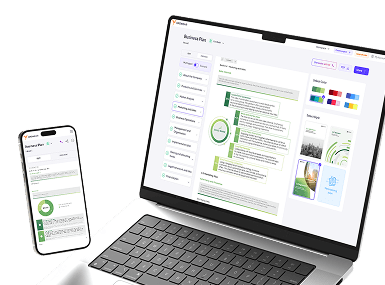
Growexa builds a complete, lender-ready business plan — with financial logic and a professionally formatted PDF
Opening an Escape Room requires significant upfront investment in construction, set design, technology, safety systems, branding, and working capital. This section of the business plan outlines startup costs and identifies funding sources such as personal investment, bank loans, entertainment financing, or strategic partners.
The business plan explains how funds will be allocated across room build-out, equipment, marketing, staffing, and contingency reserves. Disciplined capital allocation ensures the Escape Room can open with high production quality and maintain operations during ramp-up periods.
The Financial Plan converts the Escape Room concept into financial projections. This section of the business plan includes revenue forecasts based on ticket pricing, room capacity, session frequency, and occupancy rates. It models peak and off-peak demand, seasonality, and corporate bookings.
Expense projections include rent, staffing, maintenance, utilities, marketing, insurance, and depreciation of sets and equipment. The business plan provides breakeven analysis, cash-flow projections, and multi-year profitability scenarios. Risk mitigation strategies address demand volatility and theme refresh costs.
A realistic Financial Plan demonstrates that the Escape Room can achieve sustainable profitability while delivering high-quality experiences.
A successful Escape Room business blends creativity, storytelling, and operational excellence. While guests experience excitement and immersion, the underlying success of the Escape Room depends on strategic planning, disciplined execution, and financial clarity. A comprehensive business plan ensures that creativity is supported by structure, allowing the Escape Room to scale responsibly and remain competitive in a dynamic entertainment market. With the right foundation, an Escape Room can evolve from a single attraction into a recognizable experiential brand.
Entrepreneurs ready to launch or expand an Escape Room venture can leverage platforms like Growexa Growexa, where expert planning tools transform creative concepts into polished, investor-ready business plans designed for long-term success.
Startup costs for an Escape Room vary depending on location, number of rooms, theme complexity, and technology used. Expenses typically include leasehold improvements, set construction, puzzles and electronics, safety systems, licensing, marketing, and working capital. A detailed business plan helps forecast these costs accurately and determine how quickly the Escape Room can reach breakeven.
Yes, an Escape Room can be highly profitable when occupancy rates are optimized and operational efficiency is maintained. Profitability depends on room capacity, pricing strategy, repeat visits, and corporate bookings. A strong business plan shows how session scheduling, peak-hour pricing, and cost control drive sustainable margins.
Yes, Escape Room businesses can scale successfully through standardized room designs, centralized marketing, and repeatable operational systems. A well-structured business plan outlines expansion phases, capital requirements, and management systems to ensure growth does not compromise experience quality.

