
Stop editing templates
Start building a plan that gets approved
Turn this template into a complete business plan with:
- Financial projections
- Loan-ready structure
- Clear repayment logic
Based on 40+ bank requirements

Candle Making has evolved from a traditional craft into a booming lifestyle industry fueled by home décor trends, wellness culture, gifting demand, and consumer desire for personalized, artisanal products. Launching a Candle Making venture today presents enormous opportunity, but also intense competition from boutique makers, large home fragrance brands, and mass-market retailers. To build a Candle Making company that stands out, a founder must rely on more than creative scents and beautiful vessels—they must rely on a disciplined, investor-ready business plan that clarifies the company’s identity, target audience, operational structure, and long-term financial potential. A well-developed business plan transforms Candle Making from a hobby into a scalable, profitable business model rooted in intention and strategy.
A compelling business plan also positions the Candle Making brand as credible in the eyes of suppliers, retailers, partners, and potential investors. It ensures the founder can articulate sourcing decisions, production capacity, brand positioning, demand forecasts, cost structure, and revenue pathways with clarity and confidence. In an industry driven by aesthetics, sensory experience, and brand storytelling, the business plan grounds creativity with discipline, creating a foundation for a Candle Making company that can thrive in a market full of opportunity and expectation.
Turn this template into a complete business plan with:
Based on 40+ bank requirements




Most business plans fail not because of the idea — but because the numbers don’t prove repayment.
Build a bank-ready business plan in minutes
(with projections, structure, and validation)
The Executive Summary introduces the Candle Making venture as a modern product business built around craftsmanship, brand identity, and lifestyle appeal. This section of the business plan defines the company’s mission—perhaps to create clean-burning, sustainable candles; premium luxury fragrances; minimalist décor pieces; or personalized gift products. It describes the initial product range, the unique selling proposition, and the customer segments most aligned with the brand.
A strong business plan also highlights early financial projections, projected startup costs, pricing strategy, and expected revenue streams such as direct-to-consumer sales, wholesale supply, custom candle orders, event gifting, and subscription boxes. The Executive Summary gives readers an immediate understanding of why this Candle Making business merits attention and how it intends to succeed in a growing market.
The Company Overview section establishes the Candle Making company’s conceptual and operational identity. It explains whether the brand is positioned as a luxury artisan label, a wellness-oriented clean-burning candle brand, a home décor lifestyle shop, or a personalization-centered gifting business. A consistent voice, aesthetic direction, and design philosophy form the backbone of this part of the business plan.
The business plan outlines the company’s legal structure, ownership details, trademark potential, and intellectual property considerations related to scent compositions, vessel designs, or private-label offerings. It also defines the Candle Making production model—small-batch handmade production, semi-automated processes, or outsourced manufacturing. The chosen model influences cost structure, scalability, and brand story.
Location strategy is also addressed in this business plan section. Some Candle Making companies thrive from home-based studios or small craft spaces, while others benefit from retail and workshop hybrid environments. The Company Overview clarifies how the physical footprint aligns with the company’s long-term vision, whether that includes multi-channel retail expansion, corporate gifting programs, or large-scale wholesale distribution.
A detailed Market Analysis is essential for a Candle Making business plan. The candle industry continues expanding across home fragrance, aromatherapy, décor accessories, and gift-oriented retail. Consumer interest in scent-driven experiences, wellness rituals, and eco-friendly ingredients has dramatically reshaped demand. A well-written business plan explains how these macro trends influence product development, pricing, and branding decisions.
The market analysis identifies key competitors including mass-market candle brands, home fragrance companies, boutique creators, and local artisan makers. Instead of competing solely on price, the Candle Making business differentiates through superior design, cleaner ingredients, private blends, storytelling, or unique packaging. A strong business plan highlights market gaps such as demand for non-toxic ingredients, long-lasting scent throw, refillable vessels, or culturally inspired fragrance profiles.
Understanding customer behavior is equally important. Candle buyers are highly driven by emotion, aesthetics, and sensory experience. A business plan for Candle Making explores the motivations that drive purchasing—from home ambiance to relaxation to self-expression—and uses that insight to justify the product strategy. The Market Analysis positions the Candle Making venture within a fast-growing industry ripe for creative, branded innovation.
A Candle Making business lives or dies by its brand story, visual identity, and market positioning. This section of the business plan outlines how the company will build awareness, attract customers, and strengthen loyalty. Marketing strategy includes digital storytelling, social media presence, visual content, collaborations with lifestyle creators, and participation in craft markets, pop-ups, and boutique retail partnerships.
The business plan also explains how the Candle Making brand will differentiate itself through packaging, scent curation, seasonal collections, and limited-edition releases. It explores customer acquisition strategies such as email marketing, sampling programs, influencer seeding, and storytelling-driven product launches. A Candle Making business plan emphasizes how design, atmosphere, and brand voice transform candles from commodities into personal lifestyle objects.
Sales strategy covers multiple channels: direct-to-consumer e-commerce, artisan markets, retail partnerships, corporate gifting, and subscription programs. The business plan demonstrates how each sales channel supports profitability and brand recognition, ensuring the Candle Making business reaches the right audience with a consistent and compelling message.
The Operations Plan describes the daily functioning of the Candle Making business. It outlines sourcing methods for wax, wicks, fragrance oils, vessels, packaging, and labeling. The business plan details production workflows, quality control standards, curing timelines, and inventory management systems that ensure consistency in burn quality and fragrance performance.
It also explains workspace requirements—melting equipment, pouring stations, curing racks, safety procedures, and storage systems. A Candle Making business must follow safety standards related to fragrance handling, heating equipment, and fire prevention. The operations section of the business plan demonstrates that the founder understands both the creative and technical dimensions of Candle Making, from production pace to scalability.
Additionally, this section incorporates fulfillment processes, shipping protocols, supply chain management, and seasonal demand forecasting. A strong operations plan ensures the Candle Making company can meet demand reliably without compromising craftsmanship or brand experience.
The Management and Organization section highlights the leadership structure behind the Candle Making business. It introduces the founder, creative director, production lead, marketing manager, or any additional key team members. A business plan explains how each role supports production, branding, customer experience, and long-term business growth.
Candle Making companies benefit from a balance of creativity and operational discipline. The business plan outlines how the team will maintain this balance through training, workflow planning, and consistent quality monitoring. Culture also matters—staff must reflect the brand’s aesthetic, customer service style, and commitment to craftsmanship.
This section strengthens investor confidence by showing that the Candle Making venture is more than a creative project; it is a professionally managed company ready for sustainable expansion.
No connection between:
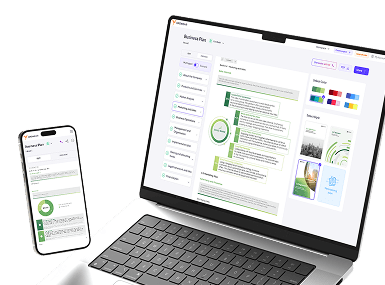
Growexa builds a complete, lender-ready business plan — with financial logic and a professionally formatted PDF
Funding strategy is a critical component of a Candle Making business plan. This section breaks down expected startup costs for materials, equipment, packaging, branding, marketing campaigns, workspace buildout, and initial inventory. It also covers working capital needed to manage cash flow during early months before consistent sales are established. The business plan outlines potential funding sources: personal investment, microloans, retail-focused lenders, small business grants, or private investors. It explains how funds will be allocated to maximize brand presence, product quality, and early traction. A well-planned Candle Making venture uses funding strategically, focusing on high-impact investments such as packaging, marketing, and operational efficiencies.
The Financial Plan translates the Candle Making concept into a structured financial model. It includes revenue forecasts based on product pricing, expected sales volume, seasonal demand cycles, and multi-channel distribution. The business plan outlines expense budgets including materials, labor, marketing, shipping, and overhead costs.
This section also addresses margins, breakeven analysis, profitability timeline, and long-term financial goals such as scaling production or entering wholesale distribution. A comprehensive business plan for Candle Making demonstrates the founder’s ability to grow revenue sustainably while maintaining product quality and cash-flow discipline.
A successful Candle Making company blends artistry with strategy, crafting an experience that is visually compelling, emotionally resonant, and operationally sound. While creativity shapes the fragrances and designs, it is the business plan that provides direction, financial logic, and a framework for long-term success. By understanding the market, building a premium brand, managing production efficiently, and planning for sustainable growth, a Candle Making venture can transform from a small craft operation into a thriving consumer brand.
For entrepreneurs ready to elevate their Candle Making idea, platforms like Growexa offer structured templates, expert-guided planning tools, and everything needed to turn a creative vision into a resilient, investor-ready business plan.

