
Stop editing templates
Start building a plan that gets approved
Turn this template into a complete business plan with:
- Financial projections
- Loan-ready structure
- Clear repayment logic
Based on 40+ bank requirements

The Buffet Restaurant occupies a distinctive position within the global food service industry. Unlike à la carte dining, a Buffet Restaurant is built on volume, operational precision, and perceived abundance. Guests are drawn not only by variety, but by value, convenience, and experience. In recent years, the Buffet Restaurant has evolved beyond traditional stereotypes, incorporating higher-quality ingredients, themed cuisines, live cooking stations, and data-driven pricing models. Yet behind the visual appeal of unlimited choice lies one of the most complex operational models in hospitality. To succeed in this environment, a comprehensive business plan is essential. A well-structured business plan transforms a Buffet Restaurant concept into a disciplined, scalable, and profitable enterprise.
Opening a Buffet Restaurant without a business plan often results in food waste, margin erosion, labor inefficiencies, and unpredictable cash flow. Inventory complexity, fluctuating guest volumes, and tight per-guest margins create structural challenges that require rigorous planning. A strong business plan clarifies how the Buffet Restaurant positions itself, which customer segments it serves, and how it balances perceived abundance with cost control. It ensures that decisions about menu design, pricing, staffing, and layout are financially justified. In a model where small operational errors can quickly erase profits, the business plan becomes the backbone of sustainability.
Turn this template into a complete business plan with:
Based on 40+ bank requirements


Most business plans fail not because of the idea — but because the numbers don’t prove repayment.
Build a bank-ready business plan in minutes
(with projections, structure, and validation)
The Executive Summary presents the Buffet Restaurant as a high-capacity dining operation designed to deliver variety, efficiency, and consistent guest satisfaction. This section of the business plan defines the mission of the Buffet Restaurant, whether focused on family dining, themed international cuisine, premium buffet experiences, or value-oriented mass service.
The business plan outlines target customers such as families, groups, tourists, corporate diners, and event-based guests. Revenue streams are primarily driven by fixed-price dining, complemented by beverages, premium add-ons, private events, and seasonal promotions. By summarizing concept, scale, and financial objectives, the Executive Summary positions the Buffet Restaurant as a professionally structured hospitality business guided by a clear business plan.
The Company Overview defines the structure, identity, and strategic foundation of the Buffet Restaurant. This section of the business plan explains the legal entity, ownership structure, and regulatory environment governing food service operations. Health codes, food safety standards, and labor regulations are fully embedded into the business plan.
The business plan describes the Buffet Restaurant’s culinary concept, menu architecture, and service model. Decisions around cuisine variety, portion control, replenishment frequency, and presentation are aligned with guest expectations and margin targets. Facility layout, including buffet lines, seating capacity, kitchen flow, and storage, is designed to maximize throughput and minimize congestion.
Location strategy is central. The business plan explains site selection based on accessibility, parking, population density, tourism activity, and group demand. The Buffet Restaurant brand emphasizes abundance, reliability, and comfort. The Company Overview positions the Buffet Restaurant as both an experiential dining venue and a disciplined operational system.
The Market Analysis examines demand drivers shaping the Buffet Restaurant segment. Group dining, family outings, and value-conscious consumers continue to support demand, especially in suburban and tourist-heavy locations. A strong business plan analyzes demographics, income levels, dining frequency, and cultural preferences to validate market potential.
The business plan evaluates competition from casual dining restaurants, fast-casual concepts, hotel buffets, and delivery-focused alternatives. Differentiation is critical. The Market Analysis identifies opportunities in themed cuisine, freshness perception, service speed, or premium positioning.
Customer segmentation is explored across families, seniors, tourists, and event-driven diners. Each group has different expectations regarding pricing, variety, and dining duration. By grounding strategy in market insight, the business plan ensures the Buffet Restaurant competes on experience and value rather than price alone.
The Marketing and Sales Strategy outlines how the Buffet Restaurant attracts guests and drives repeat visits. Buffet dining decisions are often social and occasion-based, making brand familiarity and visibility essential. The business plan explains how the Buffet Restaurant communicates value, variety, and quality.
Marketing channels include digital advertising, local partnerships, group promotions, loyalty programs, and event marketing. The business plan emphasizes visual appeal and social proof to reinforce trust and appetite appeal.
Sales strategy focuses on maximizing seat utilization across dayparts, managing peak and off-peak pricing, and encouraging repeat visits. Promotions are designed to fill capacity without undermining perceived value. The business plan ensures marketing spend supports long-term guest loyalty rather than short-term traffic spikes.
The Operations Plan details how the Buffet Restaurant functions daily. This section of the business plan describes food production, replenishment cycles, inventory management, and waste control. Operational precision is critical because food cost is the primary margin driver.
The business plan explains staffing models, kitchen workflows, service roles, and sanitation procedures. Technology supports operations through POS systems, inventory tracking, and demand forecasting. Quality control ensures consistent taste, temperature, and presentation across service periods.
Risk management is central. The Operations Plan addresses food safety, spoilage, labor shortages, equipment downtime, and demand volatility. By defining standardized procedures, the business plan ensures the Buffet Restaurant operates efficiently even during peak volume.
No connection between:
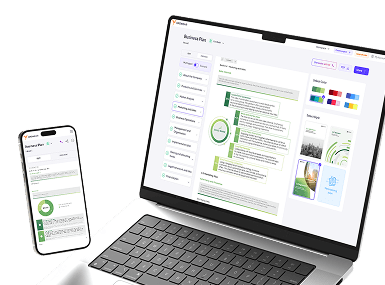
Growexa builds a complete, lender-ready business plan — with financial logic and a professionally formatted PDF
The Management and Organization section introduces the leadership behind the Buffet Restaurant. It outlines experience in hospitality management, culinary operations, or multi-unit food service. Strong leadership balances guest experience with cost discipline.
The business plan defines roles such as general manager, kitchen leadership, service supervisors, procurement, and support staff. Training systems emphasize efficiency, hygiene, and guest interaction.
This section demonstrates that the Buffet Restaurant is professionally managed rather than informally operated.
Launching or expanding a Buffet Restaurant requires capital for build-out, kitchen equipment, initial inventory, staffing, and working capital. This section of the business plan outlines funding sources such as owner equity, loans, or strategic partners.
The business plan explains how funds are allocated to maximize capacity utilization and speed to profitability. Disciplined capital planning ensures the Buffet Restaurant can withstand early volatility and seasonal fluctuations.
The Financial Plan translates the Buffet Restaurant strategy into financial projections. This section of the business plan includes revenue forecasts based on seating capacity, table turnover, pricing, and operating hours.
Expense projections include food cost, labor, rent, utilities, marketing, and depreciation. The business plan provides cash-flow projections, breakeven analysis, and multi-year profitability scenarios. Sensitivity analysis addresses food price inflation and demand swings.
A successful Buffet Restaurant is built on precision disguised as abundance. While guests experience freedom of choice, operators must manage cost, flow, and consistency with discipline. Only businesses guided by a structured business plan achieve sustainable success in this demanding segment. By aligning menu strategy, operations, marketing, and financial planning, the business plan transforms a Buffet Restaurant into a resilient and scalable hospitality enterprise. With the right foundation, a Buffet Restaurant can deliver both guest satisfaction and long-term profitability.
Entrepreneurs ready to launch or scale a Buffet Restaurant can leverage platforms like Growexa, where expert planning tools convert food service concepts into polished, investor-ready business plans designed for durable growth.

