
Stop editing templates
Start building a plan that gets approved
Turn this template into a complete business plan with:
- Financial projections
- Loan-ready structure
- Clear repayment logic
Based on 40+ bank requirements

Modern family life is more dynamic and demanding than ever before. Dual-income households, flexible work schedules, evening commitments, and social obligations have created a growing demand for reliable childcare support outside traditional daycare hours. Within this evolving social structure, the professional Babysitting Service has become an essential solution for families seeking trustworthy, flexible, and safe childcare assistance. Parents increasingly look for qualified caregivers who can provide supervision, emotional support, and engaging activities for their children when they cannot be present.
The Babysitting Service industry has grown significantly in recent years as families prioritize safety, professionalism, and convenience. Unlike informal babysitting arrangements that rely on neighbors or relatives, modern Babysitting Service businesses operate with structured vetting processes, trained caregivers, scheduling systems, and clearly defined service standards. For many parents, the reassurance that comes with a professional Babysitting Service provider is invaluable.
However, launching a successful Babysitting Service requires far more than connecting caregivers with families. Background checks, scheduling logistics, service quality control, customer trust, and operational systems all play a critical role in long-term success. In this environment, a carefully developed business plan becomes essential. A well-structured business plan transforms a Babysitting Service concept into a reliable childcare enterprise capable of supporting families while maintaining operational efficiency and financial sustainability.
This Babysitting Service Business Plan provides the strategic framework required to launch and grow a professional childcare support company. It integrates service design, operational structure, market positioning, and financial planning to support sustainable growth in the childcare services sector.
Turn this template into a complete business plan with:
Based on 40+ bank requirements


Most business plans fail not because of the idea — but because the numbers don’t prove repayment.
Build a bank-ready business plan in minutes
(with projections, structure, and validation)
The Executive Summary introduces the Babysitting Service as a professional childcare provider designed to assist families with flexible, reliable babysitting support. The mission outlined in this business plan is to create a Babysitting Service that prioritizes child safety, caregiver professionalism, and responsive scheduling to meet the evolving needs of modern families.
The Babysitting Service differentiates itself through structured caregiver recruitment, background verification processes, and customer-focused scheduling systems. Rather than relying on informal childcare arrangements, the business plan positions the Babysitting Service as a trusted childcare partner capable of providing consistent and dependable support.
Services offered by the Babysitting Service may include evening babysitting, weekend childcare, emergency babysitting requests, event childcare supervision, and occasional daytime care. The business plan emphasizes caregiver training and safety standards as core elements of the service model.
Revenue streams include hourly babysitting fees, membership programs for frequent users, event childcare contracts, and corporate childcare partnerships. By combining dependable caregivers with efficient scheduling technology, the Babysitting Service can create a scalable service platform that supports both families and caregivers.
The Company Overview defines the operational structure and identity of the Babysitting Service business. The company operates as a childcare service provider that connects trained babysitters with families seeking reliable childcare assistance.
The business plan outlines ownership structure, licensing requirements, and regulatory compliance obligations associated with childcare services. Ensuring compliance with local childcare regulations and safety standards is essential for maintaining customer trust.
The Babysitting Service model may operate through a centralized scheduling office, a digital booking platform, or a hybrid structure combining both approaches. Technology plays a significant role in enabling efficient appointment management and caregiver availability tracking.
Operational procedures include caregiver screening, background verification, safety training, and performance monitoring. The business plan explains how these processes ensure that the Babysitting Service maintains consistent service quality.
Geographic service coverage is another key consideration. A Babysitting Service typically operates within defined service zones to ensure caregivers can reach families efficiently and on time.
The Market Analysis examines the growing demand for flexible childcare solutions. Changing work patterns, increasing parental employment rates, and the rise of gig-economy scheduling have expanded the need for reliable Babysitting Service providers.
The business plan identifies several key customer segments served by the Babysitting Service. Working parents represent the primary market, particularly those who require occasional childcare outside daycare hours. Families attending social events or evening engagements also rely on babysitting support. Corporate clients may require group childcare services during conferences or company events.
Competition may come from independent babysitters, online childcare platforms, and daycare centers offering extended hours. However, the business plan highlights the advantage of a professionally managed Babysitting Service that offers vetted caregivers, transparent pricing, and consistent customer support.
Trust plays a critical role in the childcare industry. Families are more likely to choose a Babysitting Service that demonstrates professionalism, safety standards, and clear communication.
Marketing for a Babysitting Service focuses primarily on building trust and visibility within the community. This section of the business plan outlines strategies designed to establish credibility and attract new clients.
Online presence plays an important role because many parents search for childcare services through digital platforms. The Babysitting Service maintains a professional website that explains its caregiver screening process, service offerings, and booking procedures.
Customer testimonials and online reviews help strengthen the reputation of the Babysitting Service and encourage new families to try the service.
Local partnerships also contribute to growth. The Babysitting Service may collaborate with schools, parenting groups, pediatric clinics, and community centers to increase visibility among families.
Referral incentives and loyalty programs encourage satisfied customers to recommend the Babysitting Service to friends and neighbors.
Educational content such as childcare tips and parenting resources can further strengthen brand authority.
The Operations Plan explains how the Babysitting Service manages its daily service activities. Scheduling systems coordinate babysitter availability, client requests, and service assignments.
The business plan outlines procedures for matching caregivers with families based on availability, experience, and childcare requirements. Maintaining clear communication between caregivers and clients ensures smooth service delivery.
Caregiver recruitment is another critical operational component. The Babysitting Service conducts interviews, background checks, and reference verification before onboarding new babysitters.
Training programs provide caregivers with guidance on safety protocols, child engagement activities, and emergency response procedures.
Efficient operations allow the Babysitting Service to handle multiple bookings while maintaining consistent quality standards.
No connection between:
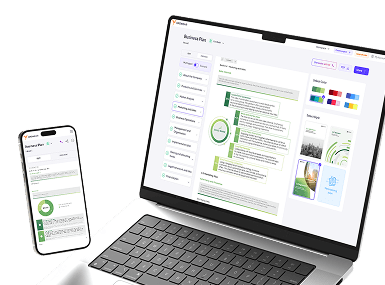
Growexa builds a complete, lender-ready business plan — with financial logic and a professionally formatted PDF
The Management and Organization section describes the leadership structure of the Babysitting Service business. The company may be led by an entrepreneur with experience in childcare services, human resources, or family-oriented businesses.
Additional team members may include scheduling coordinators, caregiver recruitment specialists, customer service representatives, and administrative staff responsible for maintaining service records.
Employee training focuses on communication, childcare safety standards, and operational coordination. Staff members ensure that caregivers and families receive timely assistance and clear guidance.
A supportive organizational culture helps the Babysitting Service maintain professionalism while creating positive relationships with families and caregivers.
Launching a Babysitting Service requires investment in operational infrastructure, caregiver recruitment processes, marketing campaigns, and scheduling technology. This section of the business plan outlines funding requirements and capital allocation strategies.
Initial funding may come from personal investment, small business loans, or service-sector investors interested in childcare ventures. Funds are allocated toward technology platforms, branding, background verification systems, and administrative operations.
The business plan also includes contingency reserves to support early operational costs while the Babysitting Service builds a stable client base.
The Financial Plan translates the Babysitting Service concept into a structured financial framework. Revenue projections are based on hourly service rates, average booking frequency, and customer retention rates.
Operating expenses include caregiver compensation, administrative staff salaries, insurance coverage, marketing investments, and technology platform maintenance. The business plan outlines financial forecasts demonstrating how the Babysitting Service can achieve profitability through efficient scheduling and consistent client demand.
Additional revenue opportunities may include premium childcare packages, holiday childcare services, and partnerships with corporate organizations requiring childcare support.
Reliable childcare support has become a crucial part of modern family life. A professionally managed Babysitting Service can provide families with peace of mind while helping parents balance work, social commitments, and personal responsibilities.
However, building a trusted childcare service requires careful planning, operational discipline, and strong community relationships. A comprehensive business plan provides the roadmap necessary to transform a babysitting concept into a structured and dependable service enterprise.
Entrepreneurs entering this sector often benefit from structured planning platforms such as Growexa, which help founders organize strategies, develop financial forecasts, and create investor-ready business plans. With a well-developed business plan guiding its development, a Babysitting Service can support families while building a reliable and sustainable childcare business.
A Babysitting Service operates in a trust-based industry where safety, reliability, and service quality are essential. A well-developed business plan outlines caregiver recruitment procedures, service standards, pricing strategy, and financial projections, ensuring the Babysitting Service grows as a structured and dependable childcare provider.
A Babysitting Service should review and update its business plan when expanding service areas, introducing new childcare programs, hiring additional caregivers, or adopting new scheduling technologies. Regular updates help the business remain competitive and responsive to changing family needs.

