
Stop editing templates
Start building a plan that gets approved
Turn this template into a complete business plan with:
- Financial projections
- Loan-ready structure
- Clear repayment logic
Based on 40+ bank requirements

Few retail segments are as emotionally driven as the market for baby products. When parents prepare for the arrival of a child, their purchasing decisions are guided not only by practicality but also by safety, comfort, and trust. From essential items such as cribs and strollers to clothing, feeding accessories, and developmental toys, the modern Baby Store has evolved into a specialized retail environment designed to support families during one of the most significant stages of life.
Over the past decade, the baby products market has expanded significantly due to rising consumer expectations, improved product safety standards, and growing demand for high-quality infant care products. Today’s Baby Store often combines retail convenience with educational guidance, helping parents navigate an overwhelming array of products designed for newborns and young children.
However, launching a successful Baby Store requires far more than stocking shelves with infant products. Product sourcing, brand partnerships, customer trust, retail experience, and financial planning all play essential roles in building a sustainable business. In this context, a comprehensive business plan becomes the foundation for success. A well-structured business plan transforms a Baby Store from a simple retail concept into a strategic enterprise capable of serving families while maintaining consistent profitability.
This Baby Store Business Plan outlines the strategic framework required to establish and grow a modern baby retail business. It integrates product strategy, market positioning, operational systems, and financial planning to support long-term success in the family retail sector.
Turn this template into a complete business plan with:
Based on 40+ bank requirements


Most business plans fail not because of the idea — but because the numbers don’t prove repayment.
Build a bank-ready business plan in minutes
(with projections, structure, and validation)
The Executive Summary introduces the Baby Store as a specialty retail business focused on providing high-quality products for infants, toddlers, and new parents. The mission outlined in this business plan is to create a trusted retail destination where families can find safe, reliable, and thoughtfully designed products that support early childhood development and parental confidence.
The Baby Store differentiates itself through carefully curated product selection, strong supplier relationships, and a customer experience centered on trust and guidance. Rather than operating as a general retail store, the business plan positions the Baby Store as a specialized environment that combines premium products with knowledgeable customer service.
Product categories may include baby clothing, strollers, car seats, nursery furniture, feeding accessories, hygiene products, educational toys, and maternity essentials. The business plan emphasizes product safety, quality standards, and brand reputation as critical components of the retail strategy.
Revenue streams for the Baby Store include in-store retail sales, e-commerce orders, baby registry programs, and seasonal promotional events. By combining product expertise with strong customer relationships, the Baby Store establishes itself as a reliable resource for growing families.
The Company Overview defines the structure and identity of the Baby Store. The business operates as a specialty retail environment dedicated to supporting parents through high-quality baby products and expert guidance.
The business plan outlines ownership structure, retail licensing requirements, and product safety regulations that govern the sale of baby items. Compliance with safety certifications and consumer protection standards is essential for maintaining credibility in the baby retail sector.
The physical retail space of the Baby Store is designed to create a welcoming environment for families. Wide aisles, comfortable seating areas, and product demonstration spaces allow parents to explore products with confidence.
Operationally, the Baby Store focuses on organized product displays, inventory management, and knowledgeable staff who can guide customers through purchasing decisions. The business plan details how these operational elements support both sales and customer satisfaction.
Location strategy is also an important consideration. A Baby Store typically performs best in residential areas, shopping centers, or lifestyle districts where young families frequently shop.
The Market Analysis evaluates demand within the baby products industry. Despite fluctuations in birth rates across regions, spending per child has steadily increased as parents prioritize quality and safety.
The business plan identifies several key customer segments served by the Baby Store. Expectant parents preparing for a newborn represent a primary audience. Families with infants and toddlers require ongoing purchases such as clothing, feeding supplies, and developmental toys. Gift buyers purchasing items for baby showers also represent a significant market segment.
Competition may come from large retail chains, online marketplaces, and department stores offering baby products. However, the business plan highlights the advantage of a specialized Baby Store that offers curated product selections and personalized service.
Consumer trust plays a major role in purchasing decisions for baby products. The Baby Store’s commitment to quality and safety helps differentiate it from mass-market retailers.
Marketing for a Baby Store focuses on building trust with families and creating a supportive shopping experience. This section of the business plan outlines strategies designed to attract and retain customers.
The Baby Store develops strong relationships with local parenting communities, pediatric clinics, and maternity centers. Partnerships with these organizations can help introduce the store to new parents.
Digital marketing also plays an important role. Social media platforms, parenting blogs, and email newsletters allow the Baby Store to share educational content, product recommendations, and parenting tips.
Baby registry programs represent another key sales strategy. Expectant parents often create registries for baby showers, which encourages friends and family members to purchase products from the Baby Store.
Seasonal promotions and educational events such as parenting workshops further strengthen customer engagement.
The Operations Plan explains how the Baby Store manages daily retail operations. Inventory management is particularly important because baby products must meet strict safety and quality standards.
The business plan outlines supplier relationships with reputable baby product manufacturers and distributors. Reliable supply chains ensure that the Baby Store maintains consistent product availability.
Retail staff are trained to assist parents with product comparisons, safety guidance, and purchasing decisions. Efficient checkout systems and organized product displays help create a smooth shopping experience.
Operational procedures also include inventory tracking, order fulfillment for online purchases, and customer service management.
No connection between:
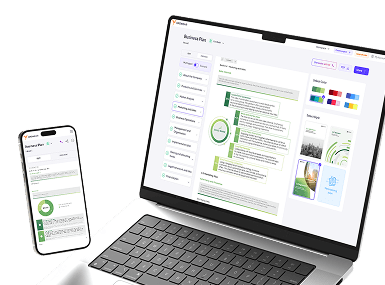
Growexa builds a complete, lender-ready business plan — with financial logic and a professionally formatted PDF
The Management and Organization section describes the leadership structure of the Baby Store. The business may be led by a retail entrepreneur or family-focused business owner who oversees both operations and strategic development.
Additional team members may include store managers, retail associates, inventory specialists, and marketing coordinators. The business plan explains how these roles contribute to maintaining efficient operations and excellent customer service.
Employee training focuses on product knowledge and customer empathy. Staff members are encouraged to understand the needs of new parents and provide supportive assistance.
A strong organizational culture helps the Baby Store maintain consistency in service quality and customer trust.
Launching a Baby Store requires investment in retail space design, product inventory, marketing initiatives, and operational infrastructure. This section of the business plan outlines funding requirements and financial allocation strategies.
Initial capital may come from personal investment, retail business loans, or investors interested in family-oriented retail ventures. Funds are allocated toward store layout, product sourcing, branding, and digital commerce infrastructure.
The business plan also includes contingency reserves that support operations during early months while the Baby Store establishes its customer base.
The Financial Plan translates the Baby Store concept into a structured financial framework. Revenue projections are based on product pricing, customer traffic, and average purchase values.
Operating expenses include inventory procurement, staff salaries, retail rent, utilities, and marketing investments. The business plan outlines financial forecasts demonstrating how the Baby Store can achieve profitability through efficient inventory management and strong customer relationships.
As the business grows, opportunities such as online retail expansion, exclusive product lines, and additional store locations may further increase revenue potential.
A Baby Store is more than a retail business—it is a trusted partner for families navigating the early stages of parenthood. By providing safe, reliable, and thoughtfully selected products, a well-designed Baby Store can build long-term relationships with customers while establishing a strong brand reputation.
However, success in the baby retail industry requires careful planning, operational discipline, and a deep understanding of customer needs. A comprehensive business plan provides the roadmap necessary to transform a baby retail concept into a sustainable and scalable enterprise.
Entrepreneurs entering this market often benefit from structured planning tools such as Growexa, which help founders organize strategies, forecast financial performance, and develop investor-ready business plans. With a well-developed business plan guiding its development, a Baby Store can support families while building a thriving retail brand.
A Baby Store operates in a highly trust-driven retail environment where product safety, supplier reliability, and customer experience are critical. A well-structured business plan defines product selection, inventory strategy, marketing approach, and financial projections, ensuring the Baby Store grows as a sustainable and professionally managed retail business.
A comprehensive business plan typically outlines product categories such as baby clothing, strollers, car seats, nursery furniture, feeding accessories, hygiene products, and educational toys. A well-curated selection allows a Baby Store to serve both essential everyday needs and special gift purchases.
A successful Baby Store differentiates itself through curated product selection, expert guidance, personalized service, and hands-on product demonstrations. A strategic business plan emphasizes customer experience and trust—areas where local specialty retailers can outperform large marketplaces.

