
Stop editing templates
Start building a plan that gets approved
Turn this template into a complete business plan with:
- Financial projections
- Loan-ready structure
- Clear repayment logic
Based on 40+ bank requirements

Modern travel infrastructure depends on far more than airlines and terminals. Ground transportation plays a decisive role in shaping passenger experience, logistical efficiency, and regional mobility. Among the most essential components of this ecosystem is the Airport Shuttle, a transportation model designed to provide reliable, scheduled, and cost-efficient movement between airports and surrounding destinations. As air travel volumes continue to grow globally, demand for structured ground transfer solutions continues to expand alongside it.
The Airport Shuttle sector operates at the intersection of transportation logistics, customer service, and operational precision. Travelers expect punctuality, safety, and seamless coordination with flight schedules. At the same time, operators must manage fleet utilization, route planning, and regulatory compliance while maintaining cost efficiency. Establishing a successful Airport Shuttle service therefore requires far more than vehicles and drivers. It requires strategic route planning, infrastructure management, and financial discipline. In this environment, a comprehensive business plan becomes essential. A structured business plan transforms an Airport Shuttle operation from a simple transportation service into a scalable mobility enterprise capable of sustained growth.
This Airport Shuttle Business Plan provides the framework necessary to build such an enterprise. It aligns fleet operations, service reliability, customer demand, and financial performance to ensure long-term success in a transportation sector defined by precision and consistency.
Turn this template into a complete business plan with:
Based on 40+ bank requirements


Most business plans fail not because of the idea — but because the numbers don’t prove repayment.
Build a bank-ready business plan in minutes
(with projections, structure, and validation)
The Executive Summary presents the Airport Shuttle company as a structured transportation provider focused on delivering reliable, scheduled passenger transfers between airports and designated destinations. The Airport Shuttle service supports travelers seeking efficient, predictable, and cost-effective ground transportation. The business plan defines the mission as providing dependable mobility supported by optimized routing, professional service, and operational reliability.
This Airport Shuttle operation differentiates itself through punctuality, route efficiency, and customer experience. Rather than competing solely on pricing, the business plan emphasizes service consistency, safety standards, and scheduling accuracy. The service model may include shared shuttles, private transfers, or contract-based transportation for hotels and corporate clients.
From a financial perspective, the business plan outlines fleet acquisition, operational infrastructure, and revenue streams. Income is generated through passenger fares, service contracts, and partnership agreements. The Executive Summary positions the Airport Shuttle as a structured transportation enterprise supported by disciplined planning rather than ad-hoc service delivery.
The Company Overview defines the identity and operational structure of the Airport Shuttle company. It clarifies whether the service operates on fixed routes, demand-responsive scheduling, or contract-based transport. This positioning informs every strategic decision within the business plan, including fleet size, dispatch systems, and pricing models.
The Airport Shuttle operates as a licensed transportation provider with defined ownership and governance. The business plan addresses regulatory requirements, safety compliance, and insurance standards. Operational compliance and passenger safety are treated as foundational elements of credibility.
Operationally, the Airport Shuttle is structured around route planning, dispatch coordination, and fleet management. Scheduling systems synchronize transportation availability with flight arrival and departure patterns. The business plan explains how route optimization and demand forecasting support efficiency.
Service coverage areas and pickup locations are strategically defined to maximize accessibility and minimize transit time.
The Market Analysis examines demand drivers shaping the Airport Shuttle sector. Growth in air travel, tourism activity, and business mobility continues to generate consistent demand for reliable airport transfer services. Travelers increasingly seek predictable and cost-efficient transportation options.
The business plan evaluates competitive dynamics including taxi services, ride-sharing platforms, and private transfer providers. Differentiation within the Airport Shuttle market depends on reliability, capacity management, and pricing transparency rather than convenience alone.
Customer segmentation includes leisure travelers, business passengers, hotel guests, and corporate clients. Each segment has distinct service expectations and booking patterns. The business plan aligns operational design with these demand characteristics.
Market opportunities include long-term transport contracts, integrated travel partnerships, and scheduled route expansion. This analysis ensures that the Airport Shuttle aligns with long-term mobility trends.
Marketing for an Airport Shuttle is reliability-driven and service-focused. This section of the business plan outlines a strategy centered on visibility, partnerships, and consistent customer experience.
The Airport Shuttle builds relationships with hotels, travel agencies, and corporate clients. Digital booking platforms and location-based marketing support customer acquisition. The business plan emphasizes reputation and service consistency as primary marketing drivers.
Sales strategy integrates scheduled service packages, contract transport agreements, and recurring bookings. Pricing reflects route efficiency and service reliability.
Customer retention is achieved through punctuality and dependable service.
The Operations Plan details the daily functioning of the Airport Shuttle service. It outlines dispatch procedures, vehicle scheduling, and route coordination. Operational precision is essential to maintaining timing accuracy.
The business plan addresses fleet maintenance, driver scheduling, and performance monitoring. Technology supports operations through tracking systems and booking platforms.
Safety procedures and service standards ensure consistent passenger experience.
No connection between:
Growexa builds a complete, lender-ready business plan — with financial logic and a professionally formatted PDF
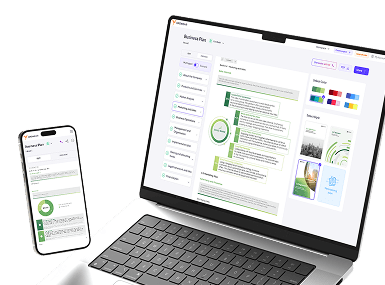
The Management and Organization section outlines the leadership structure of the Airport Shuttle company. It defines roles across operations management, fleet coordination, and customer service.
The business plan emphasizes performance monitoring, workforce training, and service accountability. Organizational culture prioritizes punctuality and professionalism.
Scalable management systems support route expansion.
Establishing an Airport Shuttle requires investment in vehicles, dispatch systems, and operational infrastructure. This section of the business plan outlines funding requirements and capital allocation priorities.
Funding sources may include transportation financing, investment capital, or partnership agreements. Capital allocation prioritizes fleet reliability and service infrastructure.
Financial governance supports long-term sustainability.
The Financial Plan translates Airport Shuttle operations into a structured economic framework. Revenue projections are based on passenger volume, service pricing, and route utilization. Expense assumptions include fuel, maintenance, labor, and insurance.
The business plan addresses profitability thresholds, cash flow management, and growth scenarios. Scenario modeling accounts for seasonal travel demand and operational costs.
This financial rigor demonstrates that the Airport Shuttle operates as a disciplined transportation enterprise.
Operating a successful Airport Shuttle requires more than transportation capability. It requires precise coordination, operational discipline, and strategic planning. In a mobility environment defined by timing accuracy and service reliability, a comprehensive business plan provides the framework necessary to transform transportation logistics into sustainable enterprise value.
By aligning fleet management with customer demand and financial control, this Airport Shuttle is positioned for long-term resilience. Strategic planning platforms such as Growexa support founders in structuring transportation ventures, forecasting operational performance, and building investor-ready business plans that bring clarity to complex mobility businesses. With a structured business plan as its foundation, an Airport Shuttle can deliver enduring value to travelers, partners, and long-term stakeholders alike.
An Airport Shuttle operates in a time-sensitive transportation environment where route efficiency, fleet utilization, and regulatory compliance directly affect profitability. A formal business plan defines scheduling models, pricing strategy, operational systems, and risk management, ensuring the service is built for reliable long-term performance rather than reactive operations.
An Airport Shuttle company should revise its business plan when expanding routes, adding vehicles, entering partnership agreements, or responding to regulatory or market changes. In a dynamic transportation environment, the business plan must function as a continuously evolving operational framework.

