
Stop editing templates
Start building a plan that gets approved
Turn this template into a complete business plan with:
- Financial projections
- Loan-ready structure
- Clear repayment logic
Based on 40+ bank requirements

Financial transparency has become one of the defining requirements of modern business operations. Organizations of every size face increasing pressure to maintain accurate reporting, regulatory compliance, and strategic financial oversight. In this environment, Accounting Services have evolved from basic recordkeeping functions into essential advisory infrastructure supporting decision-making, risk management, and long-term growth. Businesses no longer view accounting as a back-office necessity; they view it as a strategic capability.
At the same time, the Accounting Services sector has become more competitive and technologically advanced. Automation, cloud-based platforms, and real-time reporting tools have reshaped client expectations. Professional accounting firms must now combine technical expertise with operational efficiency and client accessibility. Launching a successful Accounting Services firm therefore requires more than professional credentials. It requires structure, scalability, and financial planning. A comprehensive business plan becomes essential in this environment. A disciplined business plan transforms Accounting Services from individual professional work into a structured service enterprise capable of sustainable growth.
This Accounting Services Business Plan provides the framework necessary to build such an enterprise. It aligns professional expertise, client engagement, operational systems, and financial performance to ensure long-term success in a dynamic professional services market.
Turn this template into a complete business plan with:
Based on 40+ bank requirements


Most business plans fail not because of the idea — but because the numbers don’t prove repayment.
Build a bank-ready business plan in minutes
(with projections, structure, and validation)
The Executive Summary presents the Accounting Services firm as a professional financial management provider delivering structured accounting, reporting, and advisory solutions. The Accounting Services offering supports individuals and organizations seeking accurate financial records, regulatory compliance, and strategic financial insight. The business plan defines the mission as delivering reliable and responsive Accounting Services that support financial clarity and informed decision-making.
This Accounting Services firm differentiates itself through service efficiency, technical expertise, and client communication. Rather than competing solely on hourly pricing, the business plan emphasizes value-based service delivery, timely reporting, and long-term financial partnership with clients. Service offerings may include bookkeeping, tax preparation, financial reporting, and advisory support depending on specialization.
From a financial perspective, the business plan outlines startup costs, revenue models, and client acquisition targets. Income is generated through service fees, recurring engagements, and advisory retainers. The Executive Summary positions Accounting Services as a structured professional enterprise guided by disciplined planning rather than isolated professional activity.
The Company Overview defines the identity and operational structure of the Accounting Services firm. It clarifies whether the practice focuses on small business accounting, corporate financial management, tax advisory, or specialized compliance support. This positioning informs all strategic decisions within the business plan, including staffing, service delivery methods, and pricing models.
The Accounting Services firm operates as a regulated professional entity with defined ownership and governance. The business plan addresses licensing requirements, professional standards, and data protection obligations. Regulatory compliance and ethical conduct are treated as foundational elements of client trust.
Operationally, Accounting Services are structured around standardized workflows, documentation procedures, and reporting cycles. The business plan explains how process consistency supports accuracy and efficiency. Technology integration, including accounting software and secure data systems, forms a central operational component.
Office infrastructure and client access are also addressed. The business plan ensures that service delivery is accessible, responsive, and scalable.
The Market Analysis examines demand drivers shaping the Accounting Services sector. Regulatory complexity, business growth, and financial transparency requirements continue to generate consistent demand for professional accounting support. Organizations require expertise that reduces compliance risk and improves financial visibility.
The business plan evaluates competitive dynamics including independent practitioners, established firms, and digital accounting platforms. Differentiation within Accounting Services depends on expertise, responsiveness, and advisory capability rather than price competition alone.
Client segmentation includes small businesses, corporate entities, and individual taxpayers. Each segment has distinct service expectations and billing structures. The business plan aligns service offerings accordingly.
Market opportunities include outsourced accounting, strategic financial advisory, and technology-enabled reporting. This analysis ensures that Accounting Services remain aligned with evolving financial management needs.
Marketing for Accounting Services is credibility-driven and relationship-based. This section of the business plan outlines a strategy centered on professional reputation, referrals, and expertise visibility.
The Accounting Services firm leverages professional networks, educational content, and client referrals to build awareness. The business plan emphasizes trust and technical competence as primary marketing drivers.
Sales strategy focuses on recurring service agreements, advisory relationships, and long-term engagement. Pricing reflects service complexity and value delivered. Client retention is treated as a central growth driver.
The Operations Plan details the daily functioning of Accounting Services delivery. It outlines data collection, record processing, and reporting workflows. Operational discipline is essential to maintaining accuracy and compliance.
The business plan addresses workload management, document control, and reporting schedules. Technology supports operations through automated accounting platforms and secure data systems.
Quality assurance procedures ensure accuracy and timeliness.
No connection between:
Growexa builds a complete, lender-ready business plan — with financial logic and a professionally formatted PDF
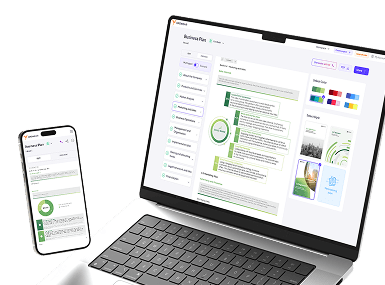
The Management and Organization section outlines the leadership structure of the Accounting Services firm. It defines roles across financial management, client coordination, and administrative support.
The business plan emphasizes professional accountability, performance monitoring, and continuous development. Organizational culture prioritizes precision and reliability.
Scalable management systems support expansion.
Establishing Accounting Services requires investment in technology infrastructure, professional licensing, and operational setup. This section of the business plan outlines funding needs and capital allocation priorities.
Funding sources may include partner investment or financing. Capital allocation prioritizes service capability and technology systems.
Financial governance supports sustainability.
The Financial Plan translates Accounting Services operations into a structured economic framework. Revenue projections are based on service agreements, billing rates, and client volume. Expense assumptions include staffing, technology, and administrative costs.
The business plan addresses profitability thresholds, cash flow management, and growth scenarios. Scenario modeling accounts for workload variability.
This financial rigor demonstrates that Accounting Services operate as a disciplined professional enterprise.
Delivering effective Accounting Services requires more than financial expertise—it requires structure, operational efficiency, and strategic positioning. In a professional environment defined by trust and regulatory responsibility, a comprehensive business plan provides the framework necessary to transform accounting expertise into sustainable enterprise value.
By aligning financial knowledge with operational discipline and client-focused service, this Accounting Services firm is positioned for long-term resilience. Strategic planning platforms such as Growexa support founders in structuring professional practices, forecasting financial performance, and building investor-ready business plans that bring clarity to complex service organizations. With a structured business plan as its foundation, Accounting Services can deliver enduring value to clients, partners, and long-term stakeholders alike.
Accounting Services operate in a compliance-driven environment where accuracy, confidentiality, and regulatory adherence are critical. A formal business plan establishes service structure, pricing models, workflow systems, and risk management protocols, ensuring the firm operates as a sustainable professional enterprise rather than a reactive service provider.
An Accounting Services firm should revise its business plan when expanding service offerings, adopting new financial technology, entering new client segments, or responding to regulatory changes. In a rapidly evolving financial environment, the business plan must function as a continuously updated strategic framework.

