
Stop editing templates
Start building a plan that gets approved
Turn this template into a complete business plan with:
- Financial projections
- Loan-ready structure
- Clear repayment logic
Based on 40+ bank requirements

In early education, reputation is everything. Parents aren’t buying a product — they’re entrusting you with their child’s safety, growth, and first experiences beyond home. That emotional weight makes a well-structured Marketing Plan more essential in a Preschool than almost any other business.
A strong Marketing Plan defines not just how you’ll attract families, but why they’ll choose you. It clarifies who your audience is, how to reach them, and how to convert interest into lasting loyalty. Unlike retail or hospitality, where customers make quick decisions, Preschool enrollment involves weeks — sometimes months — of evaluation, tours, and trust-building. Your Marketing Plan must reflect that journey.
Whether you’re launching your first classroom or expanding a growing network, this guide will walk you through the principles of designing a Preschool Marketing Plan that blends strategy with empathy. You’ll learn how to position your school, communicate its values, and use both digital and community-based channels to sustain enrollment year-round.
Turn this template into a complete business plan with:
Based on 40+ bank requirements




Most business plans fail not because of the idea — but because the numbers don’t prove repayment.
Build a bank-ready business plan in minutes
(with projections, structure, and validation)
The foundation of a successful Preschool Marketing Plan lies in clarity — clarity of mission, values, and audience. Before choosing tactics or designing ads, define what your Preschool stands for.
Are you an inquiry-based learning center, a Montessori-inspired environment, or a bilingual Preschool emphasizing global awareness? Your unique philosophy should lead every marketing decision. A parent seeking structure and academics won’t respond to the same message as one seeking creativity and play-based learning.
Your Marketing Plan should outline key objectives: growing brand awareness locally, maintaining consistent enrollment, reducing churn during the academic year, or launching a new program (like summer camps or early STEM). Each goal must connect to measurable outcomes — increased inquiries, tour bookings, or conversion rates.
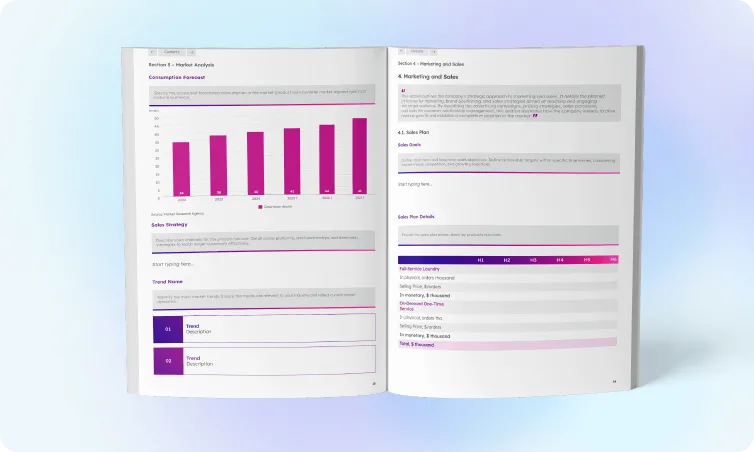
Positioning is equally important. How does your Preschool differentiate itself from nearby competitors? Is it superior teacher-to-student ratios, specialized curriculum, or a nurturing family atmosphere? A clear value proposition helps every ad, brochure, and email communicate the same story.
Finally, define your brand personality. Warm and approachable? Academic and structured? Innovative and tech-forward? Parents will feel it long before they read your materials. A Preschool Marketing Plan grounded in identity transforms generic messaging into emotional connection — and emotional connection is what drives enrollment.
Before promoting your programs, you need to understand your ecosystem — the community, the competitors, and the parents you serve. Market research isn’t optional; it’s the first act of empathy in your Preschool Marketing Plan.
Start with local demographics. Identify your primary catchment area — families within a 5–10 mile radius — and analyze census data. What’s the median household income? How many children under six live there? What’s the ratio of working parents to stay-at-home caregivers? Each data point helps you tailor messaging and pricing.
Next, study competitors. Visit nearby Preschools, evaluate their tuition ranges, and review their websites and social media. Pay attention to what parents praise (“warm teachers,” “clean classrooms”) and what they criticize (“poor communication,” “limited hours”). A well-informed Marketing Plan uses competitor insight not to copy but to differentiate. Parents today are savvy and research-driven. They read reviews, compare curriculums, and seek emotional reassurance. Your Preschool Marketing Plan must map their decision-making process: discovery (hearing about you), evaluation (visiting your site), experience (scheduling a tour), and decision (enrolling). Each phase deserves its own strategy.
Also, consider macro trends. Families increasingly value diversity, safety, and holistic learning. Many want bilingual programs or Montessori elements. Some are drawn to sustainability — eco-friendly toys, natural materials, organic meals. Aligning your Marketing Plan with these values can instantly elevate your brand appeal.
Don’t overlook seasonality. Most Preschools experience spikes in enrollment inquiries in late spring and early fall. A smart Marketing Plan anticipates these cycles, launching campaigns months in advance to ensure steady inquiries year-round.
Finally, gather direct feedback. Conduct parent surveys or focus groups to uncover what matters most — schedule flexibility, communication, or academic readiness. Listening to parents doesn’t just inform your Marketing Plan — it deepens trust.
In early education, understanding the parent mindset is everything. The more intimately you know their hopes and hesitations, the more effectively your Preschool Marketing Plan will resonate.
Your brand is the heartbeat of your Preschool Marketing Plan — it’s how families perceive your culture, quality, and promise before they ever step inside. A great Preschool brand doesn’t sell education; it sells confidence.
Begin by defining your core message. What’s the one sentence that captures your purpose? Perhaps it’s “Inspiring lifelong learners through play,” or “Where curiosity meets care.” Keep it short, memorable, and emotionally grounded. Every headline, brochure, or social post should echo this promise.
Visual identity also matters deeply in a Preschool context. Parents notice the details: colors, typography, logo warmth, even the imagery you use. Soft palettes, joyful photos, and clean layouts convey trust. A cohesive look across all materials reinforces your professionalism and reliability — critical factors in early education marketing.
Your Marketing Plan should include a content strategy that highlights your differentiators: teacher experience, safety standards, curriculum design, and community involvement. Showcase real teachers and children (with parental consent) instead of stock photos. Authenticity converts faster than perfection.
Reputation management is another pillar. Encourage satisfied parents to leave reviews on Google and Facebook. Respond to feedback quickly and empathetically. Word-of-mouth remains the single strongest driver of Preschool enrollment, and your Marketing Plan should actively nurture it.
Finally, emphasize emotional storytelling. Share success stories — a shy child gaining confidence, a teacher inspiring curiosity, a classroom project that brought parents together. Marketing for a Preschool is less about selling and more about connecting. When your audience feels your values, they’ll choose your school even before comparing prices.
The digital landscape is where most parents begin their journey — and where many Preschools either win trust or lose it instantly. A Marketing Plan that neglects digital presence is like a classroom with no front door: parents can’t find you, can’t see you, and don’t know what makes you special.
Your website is the cornerstone of your digital Marketing Plan. It must balance emotion and clarity — warmth that reflects your values and information that answers every parental question. A great Preschool website should feature authentic photography, smiling faces, and inviting spaces. Highlight your curriculum, safety measures, teacher qualifications, and enrollment process. Include a simple inquiry form and clear contact details. Parents are busy — your Marketing Plan should make it effortless for them to reach you.
Search Engine Optimization (SEO) transforms your website into a 24/7 marketing machine. Optimize for local keywords like “Preschool near me,” “Montessori Preschool,” or “best daycare in [city].” Publish blog content that educates parents — topics like “5 Ways to Prepare Your Child for Preschool” or “Why Early STEM Learning Matters.” Each article reinforces your expertise while boosting visibility.
Social media is another cornerstone. Choose platforms your audience already uses — primarily Facebook and Instagram. Use them to showcase daily life: art projects, outdoor play, classroom celebrations. Consistent posting humanizes your Preschool brand and builds emotional connection. A parent scrolling through their feed should feel warmth, safety, and joy radiating from your posts.
Video content is particularly powerful. Short clips of classroom tours, teacher introductions, or happy moments during circle time can convert curiosity into commitment. A video strategy should be a formal part of your Preschool Marketing Plan — because parents don’t just read; they feel.
Email marketing remains the unsung hero. Segment your mailing list into prospects, current parents, and alumni. Send regular updates — enrollment openings, parenting tips, upcoming events. A thoughtful email system nurtures trust long after the first inquiry.
And don’t ignore paid ads. Google Ads, Meta Ads, and even local parenting blogs can drive inquiries quickly. Use targeted campaigns during peak enrollment seasons — early spring and late summer — and track results with analytics tools. A well-managed digital Marketing Plan gives you data clarity: which messages convert, which ads resonate, and where every marketing dollar goes.
In the digital age, visibility equals credibility. Your online presence is the parent’s first impression — your digital open house. Make it unforgettable.
Even in a hyper-digital world, the most effective Preschool Marketing Plan understands that relationships — not clicks — fill classrooms. Parents trust other parents, educators, and community leaders more than algorithms. That’s why offline engagement remains a powerful pillar of growth.
Start locally. Partner with pediatricians, family therapists, real estate agents, and local businesses that cater to families. Create referral agreements or joint promotions — for example, a nearby bookstore offering discounts to families enrolled at your Preschool, or a pediatric clinic displaying your flyers. These community alliances expand your reach far beyond traditional advertising.
Events are goldmines for connection. Host open houses, parent workshops, or “toddler play days” where families can experience your environment firsthand. Nothing builds trust faster than stepping into a classroom filled with laughter and care. Your Marketing Plan should include a calendar of these in-person touchpoints — ideally scheduled quarterly — to keep engagement continuous.
Word-of-mouth remains the single most powerful tool in early education marketing. Create structured referral programs that reward parents who bring in new families — discounts, gift cards, or special recognition events. In your Preschool Marketing Plan, this shouldn’t be a side initiative but a primary acquisition channel.
Traditional media still holds influence. Local magazines, newspapers, and radio stations often feature community-oriented stories. Pitch editorials on topics like “The Importance of Play-Based Learning” or “How Preschools Support Working Parents.” Position your Preschool director as an expert source — this not only promotes your brand but reinforces trust.
Visual presence also matters offline. Your signage, brochures, and even uniforms should consistently reflect your brand identity — calm, caring, and professional. Every detail tells a story. A beautifully designed brochure handed to a parent at a community event can leave a stronger impression than a dozen Facebook posts.
Lastly, remember that relationships are long-term investments. The families enrolled today can shape your reputation for years. Send thank-you notes, celebrate milestones, and remain connected with alumni. A great Preschool Marketing Plan doesn’t just attract families — it builds a community.
Advertising is often misunderstood in education. Parents don’t want to be “sold” a Preschool — they want to discover one that feels right. The art of your Marketing Plan is to make that discovery natural, credible, and emotionally satisfying. Begin with storytelling. Every advertisement should carry your philosophy: “Growing confident learners,” “Where curiosity begins,” “A second home for your child.” Focus on emotion over features. A picture of joyful children playing tells a deeper story than a list of amenities. In a Preschool Marketing Plan, authenticity is the currency that converts interest into action.

Your advertising channels should be diversified. Use Google Ads and Meta Ads for precision targeting — focusing on families within specific zip codes and interests like “early childhood education” or “daycare.” Complement this with sponsored content in parenting newsletters or local community pages. Advertising within context builds credibility.
Outdoor and local advertising can also be highly effective. Banners near parks, libraries, and family recreation centers keep your Preschool top-of-mind. Bus-stop ads or sponsorship of local events ensure constant visibility among parents on the go. A consistent presence across digital and physical spaces reinforces your message — your Marketing Plan becomes a living ecosystem.
Public Relations (PR) elevates perception. Send press releases when your Preschool achieves milestones — accreditation, new facilities, or community partnerships. Invite local journalists for tours, or host “Education Week” events showcasing your curriculum. A PR-driven Marketing Plan positions your brand as an authority rather than an advertiser. Lead generation is where all your marketing threads converge. Capture every inquiry through digital forms, phone calls, and event sign-ups. Implement a CRM (Customer Relationship Management) system to track prospects — when they inquired, which program they prefer, and how they heard about you. Follow up promptly and personally. A fast, warm response can be the difference between a lost lead and a lifelong client.
Automation can support this process. Use autoresponders to acknowledge inquiries, followed by personalized messages from your admissions team. Consistency builds confidence — families feel valued before even enrolling.
Finally, remember that in the world of Preschools, every lead represents a family’s trust. Treat that first conversation with care, patience, and authenticity. Your Preschool Marketing Plan isn’t just about generating leads — it’s about nurturing relationships that last for years.
No connection between:
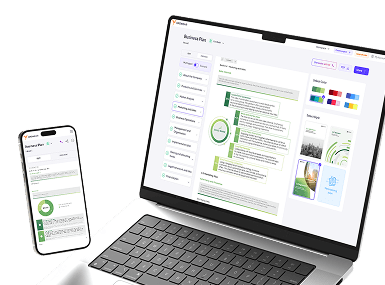
Growexa builds a complete, lender-ready business plan — with financial logic and a professionally formatted PDF
Every brilliant idea in your Preschool Marketing Plan needs one thing to survive: resources. Budgeting isn’t the glamorous side of marketing, but it’s what turns inspiration into action. Without a disciplined financial framework, even the most creative campaigns collapse before they begin.
Start by defining your total annual marketing budget as a percentage of projected tuition revenue. For most Preschools, allocating between 5% and 10% of gross revenue is ideal. New Preschools may need more — up to 15% during the launch year — to establish awareness and build initial enrollment. Mature Preschools often shift focus from acquisition to retention, adjusting their Marketing Plan toward loyalty programs and reputation management. Break your spending into categories. A well-structured Marketing Plan typically allocates:
Next comes tracking performance. Your Marketing Plan isn’t complete without defined Key Performance Indicators (KPIs). For Preschools, the most relevant metrics include:
Analytics tools simplify this process. Use Google Analytics to track website visits and conversions. A CRM platform can link inquiries to enrollment outcomes, helping you see which campaigns truly work. Your Marketing Plan should integrate these systems from the start, so data flows seamlessly between touchpoints.
Don’t overlook qualitative metrics. Parent feedback, online reviews, and community sentiment are equally important. A glowing testimonial on Facebook is as valuable as ten paid leads. In early education, perception is performance — and your Preschool’s reputation directly shapes enrollment.
The smartest Preschool Marketing Plans treat the budget as a living instrument. Reallocate funds based on results. If your Facebook ads outperform print mailers, shift resources immediately. If open houses drive stronger conversions than online ads, double down on them. Flexibility is the hallmark of a mature marketer.
And finally — document everything. Every insight, cost, and result should feed into your annual review. This living record becomes a strategic compass for the next year’s Marketing Plan, allowing you to build on real data rather than assumptions.
A well-budgeted Preschool Marketing Plan doesn’t just generate enrollments; it builds financial predictability. When you know what works — and what doesn’t — you’re no longer gambling with your future. You’re investing in it.
A Marketing Plan is only as powerful as its execution. The best ideas mean nothing if they never leave the whiteboard. Implementation transforms strategy into movement — and in the context of a Preschool, that means synchronizing dozens of small actions into one harmonious campaign.
Start with a timeline. Break your Preschool Marketing Plan into 12-month cycles with quarterly priorities. For example:
This rhythm keeps your marketing proactive, not reactive. Each quarter should have specific objectives tied to KPIs — number of tours booked, leads generated, or memberships renewed.
Assign ownership. Every task in your Preschool Marketing Plan needs a responsible person — even if that person manages external vendors. Accountability creates momentum. The director may oversee strategy; the administrative staff might manage parent communication; a marketing consultant could handle SEO and ad campaigns. When everyone understands their role, execution becomes seamless.
Consistency is your secret weapon. Families form impressions through repetition — the same logo, same tone, same professionalism across every channel. Update your team on campaigns weekly so that messaging in emails, social media, and phone conversations stays unified. Your Preschool should sound like one voice, not many.
Optimization is where good Marketing Plans evolve into great ones. Treat every campaign as an experiment. Track results, learn, and adjust. For instance, if your ads perform better when they feature teacher faces instead of facilities, adapt immediately. If open house attendance drops, test different timing or incentives. Continuous learning transforms your Preschool Marketing Plan into a system that improves with age.
Technology can enhance this agility. Automate reminders for tour follow-ups. Use analytics dashboards to visualize performance. Introduce AI tools for content generation, social scheduling, and lead scoring. Automation doesn’t replace empathy — it gives you more time to focus on it.
Also, keep innovation alive. Each year, test one or two bold ideas: a parent ambassador program, storytelling videos, or a digital enrollment portal. The best Preschool Marketing Plans always include a “growth sandbox” — a small budget for experimentation that could spark the next breakthrough.
But perhaps the most overlooked part of implementation is culture. A great Preschool Marketing Plan succeeds not because of ads, but because the entire staff embodies the brand promise. When teachers greet families warmly, when directors respond quickly to inquiries, when classrooms reflect care and creativity — your marketing is already working, even before parents see a campaign.
And remember — optimization never ends. Each enrollment season teaches new lessons. Review outcomes quarterly, refine strategy annually, and update your Preschool Marketing Plan as the market evolves. The parents of today are digital natives; the parents of tomorrow will expect even more. Adaptation isn’t optional — it’s survival.
In the long run, your marketing roadmap becomes more than a schedule. It becomes a culture of excellence — one that ensures your Preschool continues to grow, thrive, and lead with purpose.
A Preschool Marketing Plan isn’t just a business document. It’s a manifesto of trust — a roadmap for how your school connects with families, communicates its values, and sustains growth through every season.
Every section, from budgeting to branding, serves one purpose: to tell your story in a way that resonates with both the heart and the head. Parents don’t simply choose a Preschool because it’s nearby or affordable. They choose because they believe — in your educators, your philosophy, your warmth.
Your Marketing Plan should make that belief visible. It should showcase your excellence without arrogance, your care without cliché, and your vision without confusion. It’s not about selling seats; it’s about building a community that grows with you.
When executed with consistency and compassion, a Preschool Marketing Plan becomes more than strategy — it becomes legacy. It ensures that your message, mission, and culture remain clear even as staff, families, and generations change.
And if you’re ready to craft your own, there’s no better moment than now. You can start by exploring customizable templates, or study fully developed examples to see how structure turns vision into action. Or you can visit Growexa, where expert-built frameworks and AI-guided tools help you design, optimize, and scale your Preschool Marketing Plan with confidence.
Because while every Preschool may teach letters, numbers, and colors — only the ones with a clear, inspired Marketing Plan teach the world who they truly are.
A Marketing Plan helps your Preschool define how to attract and retain families in a competitive education market. Parents don’t make impulsive decisions when it comes to early learning — they seek trust and alignment with their values. A structured Marketing Plan ensures every message, channel, and event works together to build credibility and consistent enrollment.
A complete Preschool Marketing Plan covers eight key areas: brand identity, audience research, digital marketing, local engagement, advertising and PR, budgeting, performance tracking, and ongoing optimization. Each piece connects to one outcome — a stronger reputation and a full classroom year-round.
Digital tools are now the parent’s first stop. A strong website, optimized for SEO and mobile, makes your Preschool discoverable. Social media humanizes your brand through classroom stories and videos. Paid ads and Google Maps listings drive new inquiries. The digital side of your Marketing Plan builds trust before families ever schedule a tour.
Most successful Preschools allocate 5–10% of annual revenue toward marketing, with a higher investment in the first year or during expansion. The most effective Marketing Plans prioritize measurable channels — website optimization, local SEO, and community events — to maximize return on every dollar spent.
Community engagement still wins. Host open houses, sponsor family events, or partner with local pediatricians and small businesses. Combine these personal touchpoints with digital tools like geo-targeted ads or parent review platforms. The best Preschool Marketing Plans integrate both local presence and online visibility for a balanced approach.

