
Stop editing templates
Start building a plan that gets approved
Turn this template into a complete business plan with:
- Financial projections
- Loan-ready structure
- Clear repayment logic
Based on 40+ bank requirements

Opening a Preschool is more than starting a business — it’s creating the foundation where futures begin. Every child who walks through your doors will experience one of their first structured environments for learning and growth. But passion alone isn’t enough. Understanding how to start a Preschool business requires balancing compassion with compliance, creativity with regulation, and education with economics.
In today’s world, early childhood education is both a social necessity and a growing commercial opportunity. Parents seek safe, stimulating, and nurturing spaces that prepare their children for school and life. Entrepreneurs who learn how to start a Preschool business successfully tap into a market driven by trust, reputation, and long-term relationships — one that can also yield steady, sustainable revenue when managed professionally.
This guide breaks down the process step by step — from defining your educational model and crafting a business plan to navigating licensing, financing, and staffing. Whether you dream of a neighborhood daycare, a Montessori-inspired program, or a premium bilingual Preschool, you’ll discover how to start with strategy and confidence.
Turn this template into a complete business plan with:
Based on 40+ bank requirements




Most business plans fail not because of the idea — but because the numbers don’t prove repayment.
Build a bank-ready business plan in minutes
(with projections, structure, and validation)
Before you buy supplies or design classrooms, decide what kind of Preschool you want to build. The first step in mastering how to start a Preschool business is clarity of purpose — understanding who you want to serve, what you want to teach, and how your school will stand out.
Start by identifying your niche. Do you want a full-day early education center or a half-day enrichment program? Will your Preschool follow a specific philosophy such as Montessori, Reggio Emilia, Waldorf, or STEM-focused learning? Each approach affects not just curriculum but also staffing qualifications, space design, and tuition pricing.
You should also define your age range and class structure. Many successful founders who learn how to start a Preschool business focus on children aged 2–5, but some include pre-kindergarten readiness programs or after-school care. The broader your offering, the more complex your operations — but also, the greater your potential revenue streams.
Next, evaluate your local market. Study demographics, income levels, and the number of working parents in your area. Determine whether families prefer full-time care, drop-in flexibility, or premium boutique education. The best entrepreneurs understand that how to start a Preschool business begins with listening to parents — your first and most important clients.
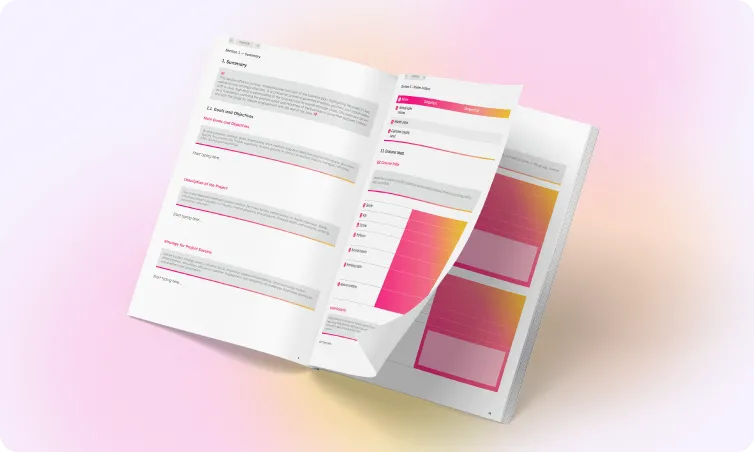
Decide whether your Preschool will be privately owned, franchised, or nonprofit. A franchise model can provide curriculum, branding, and operational support but limits creativity and independence. An independent Preschool allows for full control but requires more effort in branding and compliance. Both paths can succeed if grounded in clear vision and planning.
Finally, outline your service model. Will you include meals, transportation, or extended hours? The combination of offerings defines your daily routine, staffing needs, and pricing. Knowing how to start a Preschool business means understanding the value you bring to both children and parents — education, safety, and peace of mind.
Once your concept is defined, the next step in how to start a Preschool business is turning that vision into a comprehensive, data-driven plan. A Preschool is not just a classroom — it’s a regulated, revenue-dependent enterprise. A business plan ensures you’re ready for both the pedagogical and financial realities ahead.
Your Preschool business plan should begin with a mission statement that reflects your educational philosophy. Explain what your school stands for and how it meets community needs. Investors and regulators alike want to see purpose backed by structure.
Include a detailed market analysis. Identify competing Preschools within your area, their tuition rates, capacities, and teaching methods. Determine your differentiator — smaller class sizes, bilingual instruction, certified teachers, or advanced early literacy programs. When learning how to start a Preschool business, positioning is as critical as passion. Next, outline your organizational structure. Who will own, manage, and operate the school? Define roles such as director, lead teachers, assistants, and administrative staff. Early decisions about governance will simplify licensing later.
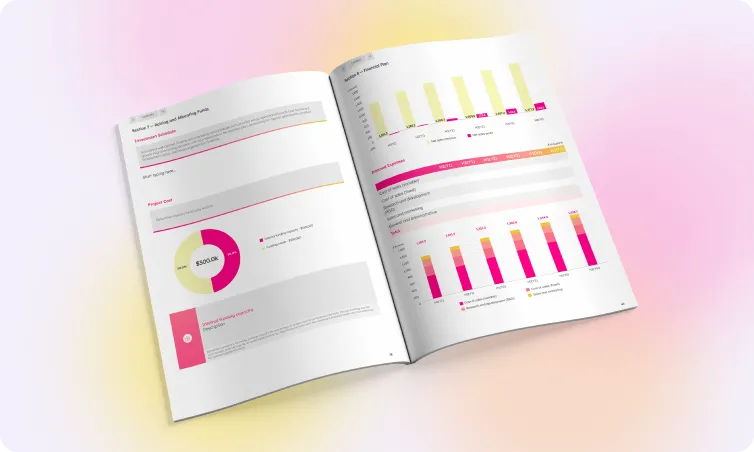
Financial projections are essential. Calculate startup costs — rent, renovation, playground equipment, supplies, licenses, and initial payroll. Then estimate operating expenses and expected enrollment revenue. A mid-sized Preschool typically requires $100,000–$500,000 in initial investment, depending on location and size. Detail your break-even point and cash flow strategy.
Include policies for tuition collection, refunds, and late payments. Consistent billing is crucial in education businesses, where monthly revenue must cover staff salaries and maintenance. Entrepreneurs who master how to start a Preschool business early understand that financial stability equals educational consistency.
Finally, plan your growth. Include 3- to 5-year projections for enrollment, additional classrooms, or even new campuses. A well-documented plan not only helps you secure funding but also becomes your operational playbook — guiding every major decision as your Preschool evolves.
If there’s one step in how to start a Preschool business that demands absolute precision, it’s this. Unlike many small ventures, education services operate under intense regulatory scrutiny — because parents are entrusting you with their children. Licensing isn’t just a legal formality; it’s the backbone of credibility for your Preschool.
Start by choosing your legal structure. Will you register as a sole proprietorship, partnership, limited liability company (LLC), or corporation? Most founders who learn how to start a Preschool business choose an LLC or corporation for liability protection and smoother access to funding. This structure separates your personal assets from your business — an essential safeguard in the childcare industry.
Next, register your business name and obtain your Employer Identification Number (EIN). This allows you to open a bank account, hire employees, and manage payroll. From there, you’ll need to meet state or local requirements for child care licensing. Each jurisdiction has its own child-to-teacher ratios, safety standards, health inspections, and staff certification rules.
Expect several inspections before your license is approved — building safety, fire exits, hygiene, and playground security are key areas. You’ll also need to pass background checks and show proof of first-aid training for staff. When learning how to start a Preschool business, patience and compliance go hand in hand.
Insurance is another crucial step. Obtain liability coverage, property insurance, and workers’ compensation. Some regions require abuse and accident insurance for Preschools, which protects both your staff and your reputation.
Finally, ensure you’re following zoning laws. Verify that your building is approved for educational or childcare use. Non-compliance here can halt your project before it starts. Entrepreneurs who master how to start a Preschool business never cut corners — because in this field, trust is everything.
Starting a Preschool requires both heart and capital. Understanding how to start a Preschool business financially means balancing upfront costs with long-term sustainability.
Begin by determining your startup budget. Typical expenses include facility lease or purchase, renovations, classroom furniture, educational toys, technology, and outdoor play equipment. Add licensing fees, marketing, and initial payroll to the mix. Depending on your region, starting a small Preschool may require $75,000–$300,000; larger facilities with multiple classrooms and amenities can exceed $500,000.
Once you have your cost breakdown, explore funding options. Traditional bank loans, SBA loans, educational grants, or private investors are all viable sources. Some founders choose to start small — renting space in a community center or church — while others aim for a fully owned campus. When applying for loans, your business plan and projected enrollment will be critical.
Accounting setup is equally important. Implement professional accounting software like QuickBooks or Xero to manage tuition payments, payroll, and expenses. Build a transparent billing system that automatically invoices parents and tracks payments. Entrepreneurs who know how to start a Preschool business understand that consistent cash flow is the lifeline of stability.
Also, plan for emergency reserves — ideally six months of operating expenses. In education, unforeseen events (weather closures, staffing gaps, or seasonal fluctuations) can temporarily reduce income. Maintaining liquidity ensures your teachers get paid and your students receive uninterrupted care.
Finally, hire an accountant experienced in early childhood education businesses. They’ll help you navigate tax deductions for equipment, depreciation, and employee benefits. Sound financial practices turn passion projects into sustainable institutions — a core principle in mastering how to start a Preschool business.
A Preschool is built around its environment — the space where children feel safe, curious, and inspired. Understanding how to start a Preschool business means designing a facility that supports both education and emotion.
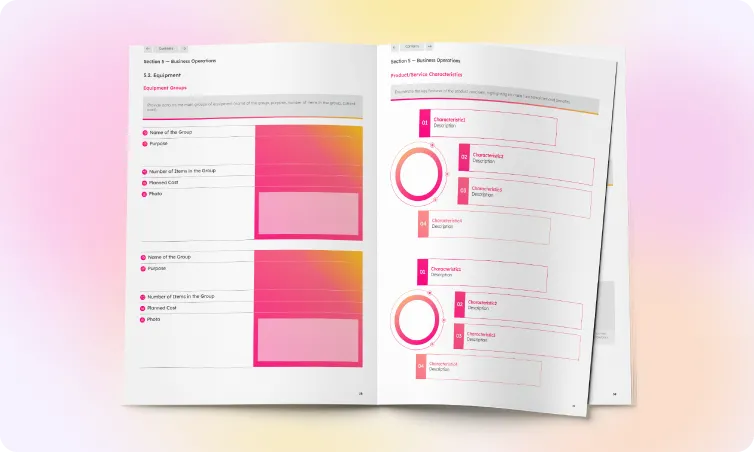
Begin with your classrooms. Use bright, open layouts with natural light and durable, easy-to-clean furniture. Each area should have defined zones — reading corners, art tables, science exploration spaces, and play areas. Safety must guide every choice: rounded furniture edges, non-slip floors, covered outlets, and child-proof locks.
Next, invest in age-appropriate materials. High-quality toys, books, puzzles, and sensory learning kits help children learn through play. Stock supplies for daily routines — nap mats, cubbies, and hygiene stations. In how to start a Preschool business planning, these details signal professionalism to both inspectors and parents.
Technology now plays a growing role in Preschools. Consider tablets for digital learning, smartboards for interactive lessons, and security systems for real-time monitoring. While tech can’t replace teachers, it enhances engagement and communication. Many modern entrepreneurs studying how to start a Preschool business use apps for parent updates, attendance, and daily reports — strengthening trust through transparency.
Suppliers matter too. Partner with vendors who specialize in educational equipment and cleaning products certified safe for children. Build relationships that offer consistent quality and bulk discounts. A well-organized supply chain ensures your classrooms never run short of essentials.
Don’t forget outdoor spaces. A secure, shaded playground encourages physical development and social interaction. Include soft ground coverings, age-appropriate climbing structures, and regular maintenance schedules. Finally, plan for maintenance and upgrades. Even the best facilities need refreshment over time — repainting, replacing toys, updating books. Learning how to start a Preschool business isn’t about opening once; it’s about maintaining excellence year after year.
Behind every successful Preschool stands a team that loves what they do. The human element — teachers, aides, and administrators — defines the quality of care and learning children receive. Anyone who studies how to start a Preschool business quickly realizes that staff are not just employees; they are the living brand of your school.
Start with your leadership. A qualified director anchors your organization. They oversee curriculum, licensing, and daily operations. Hire someone with early childhood education credentials and management experience — someone who understands both children and compliance.
Next, build your teaching staff. Ratios vary by region, but most require one adult for every 8–12 children. Prioritize certified educators and assistants who have completed background checks, first-aid training, and continuing education. Teachers who feel supported deliver higher-quality learning — a crucial insight for anyone learning how to start a Preschool business with longevity in mind.
Training is not a one-time event. Host regular workshops on child development, classroom safety, and communication. Offer mentorship for new hires. Many successful founders embed professional growth into their culture from the beginning — because in the Preschool world, teacher retention directly affects student stability.
Equally important is culture. Foster an environment of collaboration, respect, and joy. Recognize achievements, celebrate milestones, and encourage creativity in teaching. A warm, confident team builds an atmosphere that parents immediately sense when they walk through your doors.
Finally, establish clear HR systems — contracts, payroll, evaluations, and feedback. Consistency and transparency strengthen trust between leadership and staff. Entrepreneurs who master how to start a Preschool business know that a happy team doesn’t just teach better; it builds the reputation that drives enrollment.
No connection between:
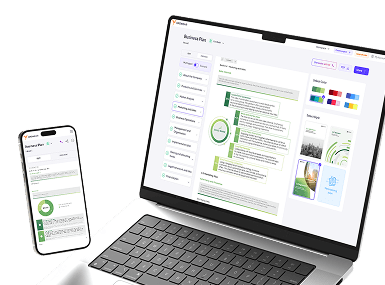
Growexa builds a complete, lender-ready business plan — with financial logic and a professionally formatted PDF
You’ve built your foundation — now it’s time to share your vision. Knowing how to start a Preschool business includes learning how to communicate your mission to the families you want to serve.
Begin with your brand identity. Your name, logo, and tone should reflect warmth, trust, and professionalism. Parents aren’t just buying a service — they’re choosing a second home for their children. Every visual detail, from your signage to your social media presence, should evoke reliability and care.
Develop a professional website. Highlight your curriculum, teacher qualifications, and enrollment process. Include testimonials, photos of your classrooms, and a tour request form. Optimize for local search — when someone types “Preschool near me,” you want to appear at the top. Entrepreneurs who understand how to start a Preschool business treat their website like their digital front door.
Leverage digital marketing. Use targeted ads on Google and social media to reach parents within a few miles of your location. Create educational content — parenting tips, early learning insights, or safety checklists — to build trust and position your Preschool as a community resource.
Offline, build relationships with local pediatricians, parenting groups, and real estate agents. Word-of-mouth remains the strongest form of marketing in early education. Attend community fairs, sponsor local events, or host open houses. Every handshake builds credibility.
Once you’ve earned those first enrollments, nurture them. Send newsletters, progress reports, and personalized updates. Encourage parents to share experiences online. Understanding how to start a Preschool business in the modern era means blending human connection with digital reach — a balance that converts interest into loyalty.
Opening day isn’t the finish line — it’s the beginning. This is where the real test of your preparation comes. Entrepreneurs who study how to start a Preschool business learn that the launch phase determines long-term success more than any marketing campaign.
Start with a soft opening. Enroll a smaller group of students and run the full schedule for a few weeks before your grand launch. This allows your team to refine daily routines, test systems, and gather parent feedback. Adjust your operations based on real-world performance, not assumptions.
Then, plan a grand opening that celebrates your mission. Invite local officials, families, and community partners. Offer tours, trial sessions, or discounts for early sign-ups. Capture photos and testimonials for future marketing materials. A successful opening isn’t about one day’s revenue — it’s about creating momentum and visibility.
Once operations stabilize, measure everything. Track enrollment numbers, retention rates, expenses, and parent satisfaction surveys. Entrepreneurs who master how to start a Preschool business rely on data to make decisions, not emotion. These insights reveal when you’re ready to expand.
Scaling a Preschool requires caution. Each new location multiplies regulatory, staffing, and quality-control challenges. Before expansion, ensure your first site runs smoothly without your daily presence. Document processes, curriculum standards, and communication protocols so your brand’s quality remains consistent.
If growth aligns with your mission, consider franchising or partnering with educators who share your philosophy. Sustainable expansion transforms your Preschool from a local school into a trusted brand — a legacy that impacts hundreds of families.
Learning how to start a Preschool business isn’t just about opening doors; it’s about keeping them open for generations.
Building a Preschool is an act of both entrepreneurship and empathy. It’s one of the few businesses where purpose and profit intersect naturally — because every success story begins with a child who was given a place to learn, laugh, and belong.
Mastering how to start a Preschool business means embracing both sides of that equation: operational rigor and emotional intelligence. You’ll navigate licensing, manage budgets, and supervise teachers — but you’ll also comfort parents, celebrate first steps, and shape young minds. Few ventures offer that balance of impact and income.
The most successful founders in early education don’t rush. They build carefully, consistently, and consciously. They understand that every policy, design choice, and classroom experience reflects their integrity.
If you’re ready to take your first step, explore resources that can help turn your vision into reality. You can download a Preschool business plan template or see a real-world example to guide your setup. And if you’re ready to create something truly customized, visit Growexa — where expert tools and AI-driven planning frameworks help you design, fund, and scale your school with confidence.
A great Preschool doesn’t just prepare children for school — it prepares families for the future. And that future can begin with your plan today.
Startup costs vary widely depending on size, location, and program type. A small home-based Preschool might start with $50,000–$100,000, while a mid-sized center with multiple classrooms can require $300,000–$500,000. When learning how to start a Preschool business, plan for property, renovation, equipment, staff, and licensing fees.
Not necessarily, but it helps. Many successful founders come from business or education backgrounds. If you’re new to early childhood education, hire an experienced director and certified teachers. Knowing how to start a Preschool business means building the right team, not doing everything yourself.
You’ll need a childcare or early education license from your state or local government, background checks for all staff, fire and health inspections, and proof of insurance. Each region has its own regulations — anyone learning how to start a Preschool business must review these early in the process.

