 Ukraine
 USA
 Austria





Vision Beyond Romance
The starting point of any business plan is the executive narrative. In wedding planning, this section is less about abstract goals and more about defining the planner’s creative and operational identity.
A luxury-focused planner might envision a boutique firm handling only a handful of high-ticket weddings annually, while a volume-driven operator might emphasize scalability with packages for a wider market. Some position themselves around cultural specialization—Indian, Jewish, or destination weddings—while others build brands on sustainability, emphasizing eco-conscious events.
The executive overview should transform this positioning into measurable objectives: how many weddings per year, average revenue per client, anticipated rebooking or referral rates, and target market share. For example, “We aim to execute 40 full-service weddings annually within three years, averaging $60,000 per event, with a 70% referral-driven pipeline.” By linking vision to quantifiable goals, the planner reassures stakeholders that ambition is grounded in discipline.
Understanding the Market of Moments
The wedding industry is paradoxical: it thrives on constant demand yet experiences extreme fragmentation. Every couple is technically a one-time client, which makes market analysis especially critical.
A credible plan begins with a regional breakdown. How many weddings occur annually in the target geography? What proportion are handled by professional planners? Which demographic groups—urban millennials, affluent Gen X couples, or multicultural families—drive growth?
Competition analysis cannot remain generic. Identifying whether the local landscape is dominated by freelancers, boutique agencies, or national franchises is essential. A boutique planner in a saturated urban market must articulate how it will stand out—through design sophistication, vendor networks, or cultural fluency.
Consumer expectations are shifting, too. Social media has amplified the pressure for uniqueness; no couple wants their wedding to look like a repeat of last weekend’s. At the same time, economic realities push some toward cost-conscious packages. A business plan that balances these contradictory forces—personalization and standardization—signals strategic awareness.
Service Architecture: From Dream to Execution
In wedding planning, the product is not flowers or venues—it is an experience. The service architecture must therefore be explicit in the business plan.
Planners typically offer tiered packages: full-service (concept to execution), partial planning (vendor coordination and timelines), and day-of coordination. Some diversify into adjacent services—bridal showers, rehearsal dinners, or honeymoon logistics. The plan should detail which services will define the company’s brand and revenue streams.
Operational detail is crucial. How will timelines be managed? What software will be used for guest lists, budgets, and seating charts? How will vendor contracts be negotiated and monitored? A plan that names systems and processes shows operational maturity.
Capacity must also be defined realistically. If one planner can manage eight full-service weddings annually without compromising quality, then scaling to 40 requires a team or subcontracted coordinators. Linking service volume to staffing assumptions prevents overpromising.
Infrastructure Behind the Scenes
A wedding may look effortless on the day, but behind it lies months of coordination. Operational infrastructure—from office setup to vendor management systems—must be described in the plan.
Technology has reshaped planning. Project management platforms such as Aisle Planner or HoneyBook streamline task lists and communications. Virtual consultations, digital mood boards, and 3D floor plans have become industry norms. Including these tools in the plan signals innovation and efficiency.
Vendor relationships are another cornerstone. Unlike many businesses, planners don’t own all inputs—they orchestrate caterers, florists, venues, photographers, and entertainers. A wedding planner business plan should explain how vendor partnerships will be built, whether through preferred supplier agreements, volume discounts, or exclusive collaborations.
Insurance, too, cannot be overlooked. Liability coverage for event cancellations, accidents, or vendor failures is increasingly demanded by both couples and venues. Addressing risk management at the infrastructure level builds investor confidence.
Marketing in an Aspirational Industry
Few industries rely as heavily on imagery and reputation as weddings. Marketing strategy for planners must be more than advertising; it must craft aspiration.
The marketing strategy in the plan should emphasize digital storytelling. Instagram portfolios, Pinterest boards, and TikTok behind-the-scenes clips are modern-day showcases, often more influential than traditional ads. Couples choose planners who not only promise professionalism but also inspire aesthetically.
Referrals remain central. Satisfied couples, photographers, and venues become brand ambassadors. Building structured referral programs, partnerships with bridal boutiques, or collaborations with influencers enhances visibility.
Brand positioning should also consider niches. An eco-wedding planner must align branding with sustainability, from recycled stationery to carbon-neutral travel. A luxury planner should emphasize exclusivity and discretion. Aligning brand story with consumer psychology ensures marketing dollars translate into bookings.
Human Capital: Talent in Coordination and Creativity
Weddings are labor-intensive projects that require not only logistics but also artistry. The management structure outlined in the plan must demonstrate how talent will be cultivated and retained.
Founders often serve as creative directors, but scaling requires coordinators, assistants, and vendor liaisons. A plan should detail recruitment—whether through internships, industry associations, or hospitality programs. Training is essential: staff must understand etiquette, negotiation, crisis management, and client service.
Retention matters, as weddings demand long hours and high emotional resilience. Creating a culture of recognition, offering flexible schedules, and building career progression pathways prevent burnout. For investors, a strong HR strategy proves that the company can maintain consistency across multiple events.
Financing Elegance
Unlike many service businesses, wedding planning requires relatively modest capital investment in physical assets but substantial upfront spending on marketing, branding, and working capital. A funding strategy in the plan should break down expected startup costs: office setup, software, insurance, initial marketing campaigns, and staff salaries.
Sources of funding vary: personal savings, small business loans, investor contributions, or strategic partnerships with venues. Transparency about the capital mix enhances trust.
Allocation should be staged. In early phases, emphasis might fall on brand development and marketing, while later investments focus on staffing expansion or proprietary planning tools. Such phased allocation signals prudence rather than unchecked ambition.
Financial Blueprint: Turning Events into Earnings
The financial plan must translate creativity into cash flow. Unlike subscription businesses, wedding planning deals with high-ticket but one-off clients, making pipeline management crucial.
Revenue projections should be tied to service tiers. For example, 20 full-service weddings at $40,000 each and 30 partial packages at $15,000 create predictable revenue modeling. Upselling—through décor design, travel planning, or vendor commissions—should be factored in transparently.
Expenses must cover staff salaries, marketing, insurance, travel, and vendor coordination costs. Given the seasonal peaks of wedding demand (spring and summer in many regions), cash flow planning is critical. The plan should show how liquidity will be managed during off-peak months—whether through diversifying into corporate events or securing deposits well in advance.
Break-even analysis must be realistic. Most wedding planners take 18–24 months to stabilize recurring client pipelines and recover initial marketing spend. A plan that acknowledges this horizon inspires more confidence than one projecting instant profitability.
Risk and Resilience
The pandemic underscored the vulnerability of event industries. A risk management framework in the plan should outline contingencies: event insurance partnerships, flexible cancellation policies, and diversification into elopements or micro-weddings during downturns.
Regulatory risk also applies. Local laws on event capacity, alcohol licensing, or noise ordinances can affect operations. A business plan that anticipates compliance builds resilience.
Reputational risk is perhaps the most significant. One poorly managed wedding can damage a planner’s brand. Quality assurance processes—client feedback systems, post-event debriefs, and vendor performance tracking—should be described in detail.
Pathways to Growth
Wedding planning may start with individual events, but scalability lies in strategic expansion.
Options include geographic expansion, developing signature destination wedding packages, or diversifying into corporate and social events. Some planners grow by vertical integration—offering in-house floral design, décor rental, or photography. Others franchise their model, leveraging brand equity across markets.
The plan should articulate which pathway aligns with the founder’s vision and resources. Investors are more likely to support a company that not only has a survival plan but also a growth roadmap.
Concluding Perspective: Beyond Weddings, Building Legacy
A wedding planner does not just manage timelines—they manage memories. But behind the beauty lies a business that requires just as much discipline as any financial or technology venture.
A wedding planner business plan is therefore more than a document—it is a framework for orchestrating creativity, logistics, compliance, and financial viability. It reassures investors that the firm understands both the fragility and the opportunity of the industry. For the entrepreneur, it is a daily compass, ensuring that artistry is always balanced with accountability.
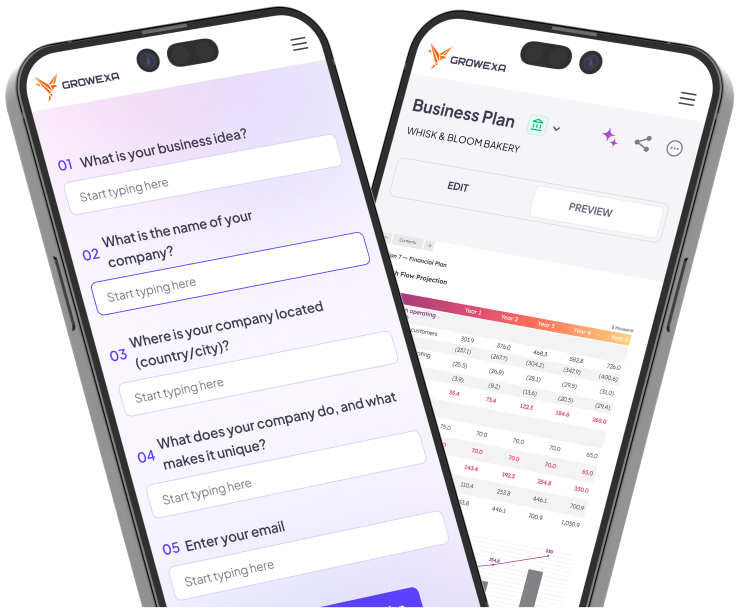
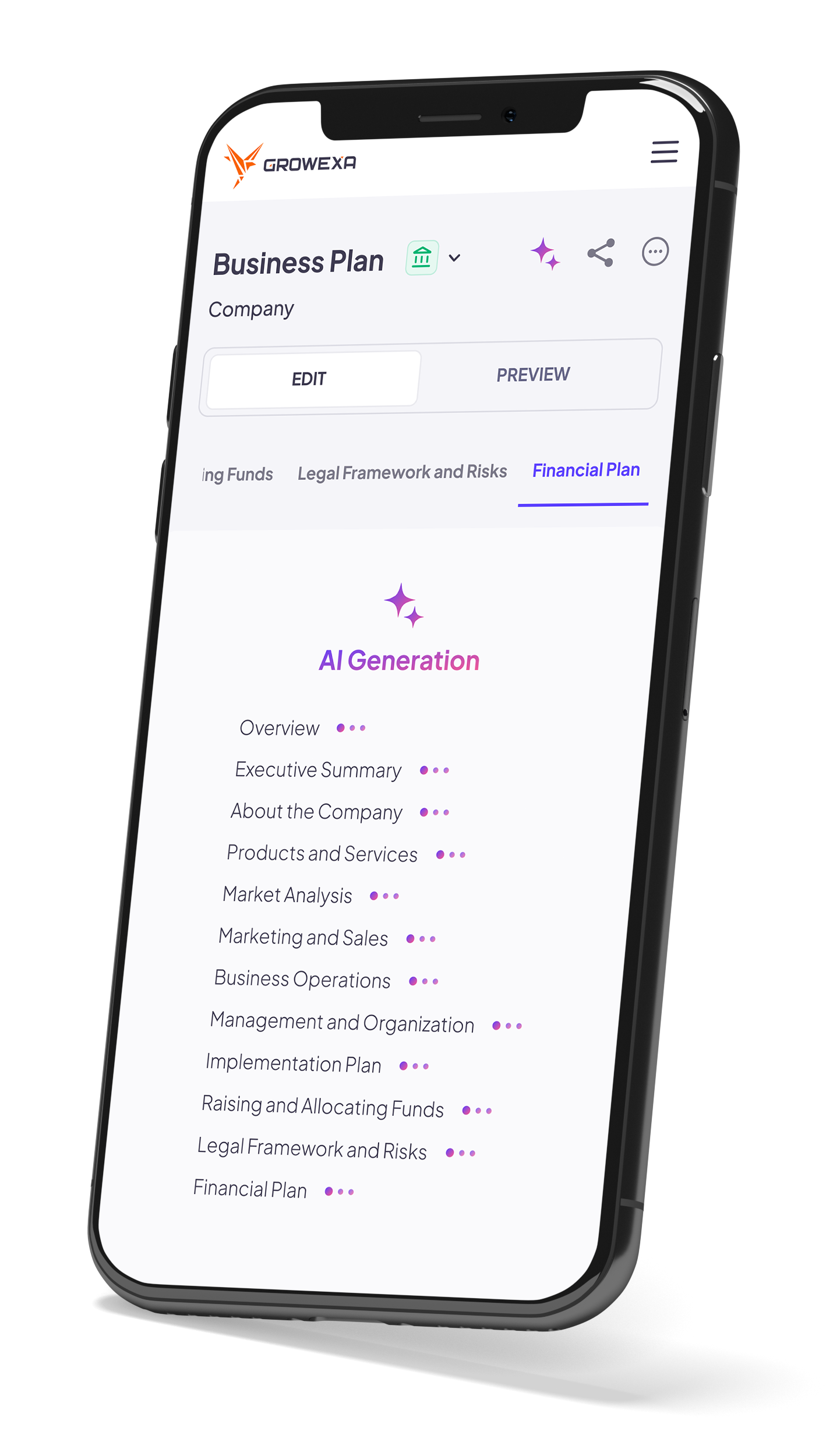
Those ready to enter the field can start by shaping their vision through a structured business plan template, explore completed examples to understand best practices, or create an entirely customized plan at Growexa, where expert tools transform aspirations into actionable strategies.