 Ukraine
 USA
USA
 Austria


01. Executive Summary
The Executive Summary presents the Toy Store as a curated retail destination offering age-appropriate, safe, and engaging products that encourage learning and imaginative play. This section of the business plan defines the Toy Store’s mission, whether focused on educational toys, premium brands, sustainable products, collectibles, or a broad family-oriented assortment.
The business plan outlines core customer groups, including parents, families, educators, gift buyers, and collectors. Revenue is generated through in-store sales, seasonal assortments, limited editions, and complementary experiences such as workshops, demonstrations, or themed events. By clearly summarizing concept, positioning, and financial objectives, the Executive Summary establishes the Toy Store as a professionally structured retail business guided by a coherent business plan rather than intuition alone.
02. Company Overview
The Company Overview defines the structure, identity, and strategic foundation of the Toy Store. This section of the business plan explains the legal entity, ownership model, and regulatory environment governing toy retail and children’s products. Product safety standards, certifications, and supplier compliance are treated not as constraints but as trust-building elements embedded into the operating model.
The business plan describes the Toy Store’s merchandising philosophy, assortment logic, and sourcing strategy. Decisions around branded versus private-label products, educational value, sustainability, and responsiveness to trends are aligned with brand identity and margin objectives. Store layout and visual merchandising are designed to encourage exploration while maintaining clarity and comfort for caregivers.
Location strategy plays a decisive role. The business plan explains site selection based on family-oriented foot traffic, proximity to residential neighborhoods, schools, or shopping centers, and visibility during seasonal peaks. The Company Overview positions the Toy Store as both a welcoming community destination and a disciplined, commercially focused retail operation.
03. Market Analysis
The Market Analysis examines the structural demand drivers shaping the Toy Store segment. Despite the growth of digital entertainment, demand for physical toys remains resilient, supported by developmental benefits, gifting traditions, and parental preference for tactile, screen-free play. A robust business plan evaluates demographic indicators such as household composition, income levels, birth rates, and gifting behavior to validate market potential.
The business plan also assesses competitive pressure from big-box retailers, online marketplaces, specialty boutiques, and direct-to-consumer brands. In this environment, differentiation is essential. The Market Analysis identifies opportunities to compete through curation, education-focused products, sustainability positioning, or experiential retail rather than price.
Customer segmentation includes parents of young children, extended-family gift buyers, educators, and collectors. Each group demonstrates distinct purchasing motivations, frequency, and price sensitivity. By grounding strategy in data rather than assumptions, the business plan positions the Toy Store to compete on trust, expertise, and experience.
04. Marketing and Sales Strategy
The Marketing and Sales Strategy defines how the Toy Store attracts attention, converts visitors, and encourages repeat engagement. Toy purchases are often emotionally driven and occasion-based, which elevates the importance of brand storytelling, credibility, and visibility. The business plan outlines how the Toy Store communicates safety, quality, and developmental value across all touchpoints.
Marketing channels include digital presence, social media, community engagement, school partnerships, and carefully planned seasonal campaigns. Rather than relying solely on discounts, the business plan emphasizes experiential marketing that invites families into the store and strengthens emotional connection with the brand.
Sales strategy focuses on increasing average transaction value, anticipating seasonal demand, and supporting repeat gifting behavior. Pricing reflects perceived value, product quality, and curation rather than pure cost competition. The business plan ensures that promotional activity supports loyalty and brand equity without undermining margins.
05. Operations Plan
The Operations Plan explains how the Toy Store functions on a daily basis. This section of the business plan covers inventory planning, supplier coordination, stock rotation, and loss prevention. Operational discipline is critical in a category affected by seasonality and trend volatility.
The business plan defines staffing models, customer service training, and peak-period scheduling. Technology supports operations through integrated POS systems, inventory analytics, and demand forecasting tools. Quality control procedures ensure all products meet safety requirements and brand standards.
Risk management is addressed explicitly. The Operations Plan considers excess inventory, supplier delays, safety recalls, and uneven revenue cycles. By establishing clear procedures and controls, the business plan ensures operational stability throughout the year.
06. Management and Organization
The Management and Organization section introduces the leadership structure behind the Toy Store. It highlights experience in retail management, merchandising, or child-focused consumer products. Effective leadership balances creativity with discipline in inventory control, staffing, and financial oversight.
The business plan defines key roles such as store management, merchandising coordination, sales associates, and administrative support. Training prioritizes product knowledge, customer trust, and service consistency. This section reinforces that the Toy Store is managed as a professional enterprise rather than an informal retail venture.
07. Raising and Allocating Funds
Launching or expanding a Toy Store requires capital for inventory acquisition, store build-out, branding, staffing, and working capital. This section of the business plan outlines funding sources including owner equity, bank financing, or retail-focused investors.
The business plan explains how capital is allocated to support balanced inventory, efficient launch timelines, and early cash-flow stability. Thoughtful capital planning ensures the Toy Store can absorb seasonal fluctuations and adapt to shifting consumer trends without operational strain.
08. Financial Plan
The Financial Plan translates strategy into measurable outcomes. This section of the business plan presents revenue projections based on foot traffic, conversion rates, average transaction value, and seasonal peaks. Assumptions are conservative and grounded in market data.
Expense forecasts include cost of goods, labor, rent, marketing, and overhead. The business plan provides cash-flow projections, break-even analysis, and multi-year profitability scenarios, supported by sensitivity analysis to address demand variability and inventory risk.
Closing Perspective: Building More Than a Store
Toys have accompanied human development for centuries, but building a profitable business around them requires far more than nostalgia or product passion. A well-structured toy store business plan transforms a retail space from a simple point of sale into a scalable commercial platform—one grounded in brand positioning, disciplined operations, and long-term financial strategy.
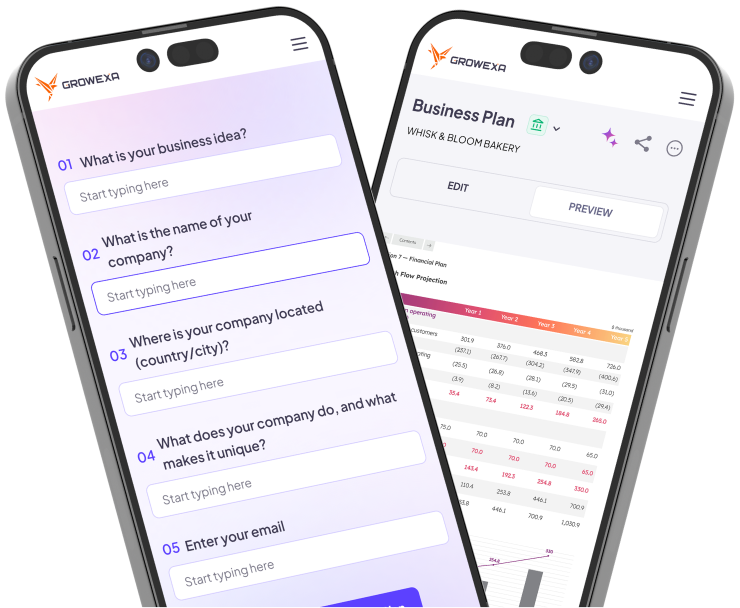
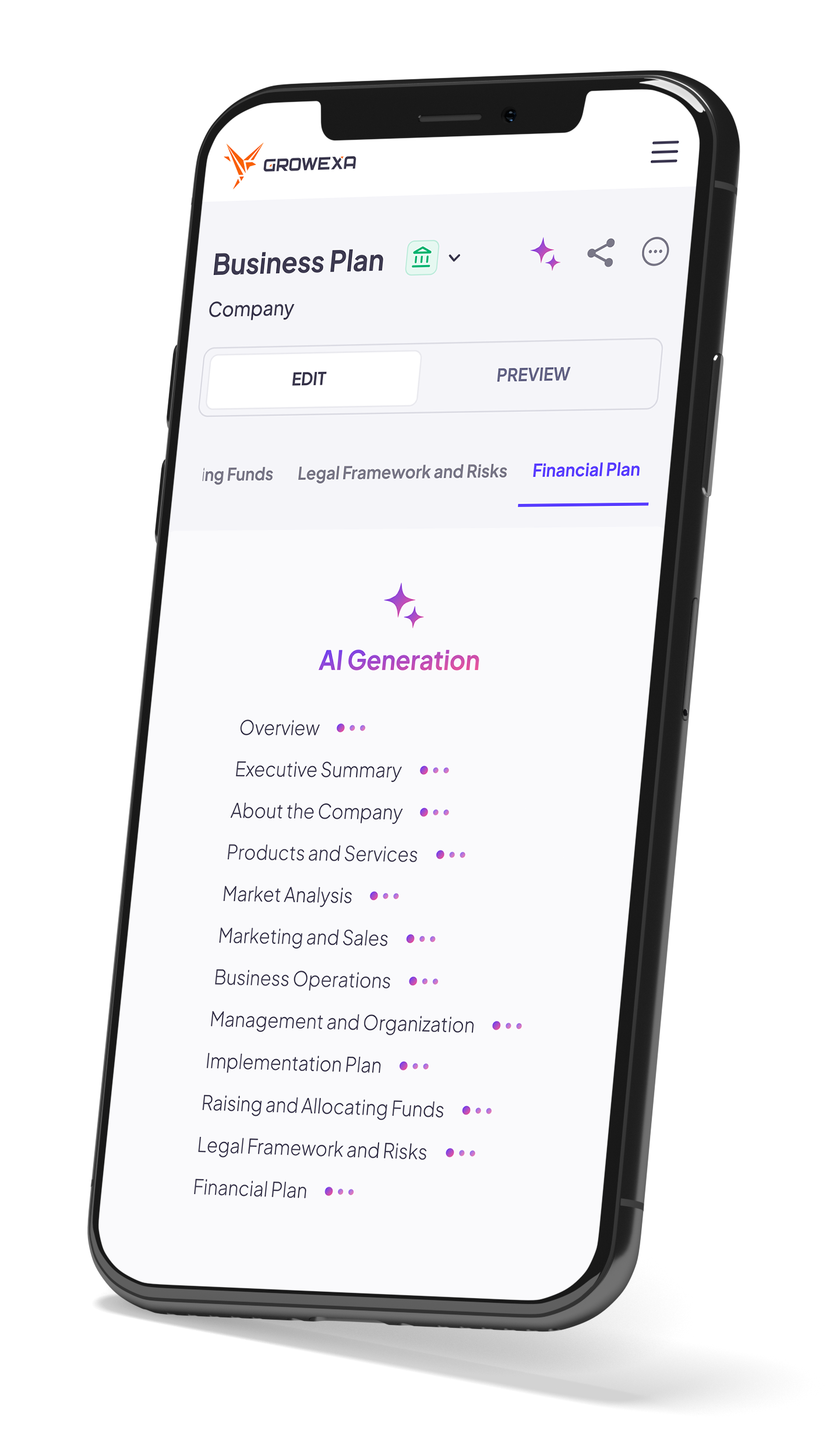
For founders ready to move beyond intuition and impulse-driven retail, clarity becomes the defining advantage. Putting strategic intent into a formal plan forces decisions about assortment logic, customer segmentation, pricing architecture, and growth trajectories. Tools like Growexa support this process by helping entrepreneurs translate vision into structure, validate assumptions, and build a toy store business plan designed not just to open doors, but to sustain relevance and profitability as the business grows.