Ukraine
 USA
 Austria





01 Executive Summary
The Executive Summary introduces the Jewelry Store as a carefully curated retail concept centered around beauty, craftsmanship, and emotional storytelling. This section of the business plan defines the mission—perhaps to offer custom-designed pieces, ethically sourced gemstones, contemporary minimalist designs, luxury timepieces, or hand-crafted artisan jewelry. It clarifies the Jewelry Store’s target customers: couples seeking engagement rings, professionals wanting investment pieces, style-conscious shoppers, or gift buyers looking for meaningful items.
The business plan outlines the core value proposition: exceptional product quality, transparent sourcing, personalized consultations, masterful craftsmanship, and a retail environment that feels refined and trustworthy. It previews financial expectations, including revenue drivers such as fine jewelry sales, custom commissions, repairs, appraisals, and online orders. By presenting the store’s concept and business logic upfront, the business plan establishes confidence that the Jewelry Store is built on a solid strategic foundation.
02 Company Overview
The Company Overview section defines the Jewelry Store’s brand identity, vision, and long-term direction. It explains whether the Jewelry Store will be positioned as a luxury boutique, an artisan gallery, a contemporary fashion jewelry brand, or a hybrid concept combining fine pieces, accessories, and custom services. This part of the business plan highlights the founding story, design philosophy, and inspirations shaping the Jewelry Store’s aesthetic.
The business plan outlines legal structure, ownership, intellectual property considerations (such as custom designs or trademarked branding), and any ethical commitments such as conflict-free diamonds or sustainable metals. The Jewelry Store’s physical environment is also detailed—its layout, display design, lighting strategy, and customer flow. Since a Jewelry Store must create a sense of trust and intimacy, layout decisions influence both security and customer experience.
Location strategy is another essential element. The business plan identifies why the chosen site—luxury retail districts, malls, tourist zones, or high-income suburbs—supports strong visibility and steady sales. The overall Company Overview builds a compelling picture of the Jewelry Store’s identity, ensuring that the business plan reflects both creativity and strategic discipline.
03 Market Analysis
The Market Analysis evaluates the evolving jewelry industry and identifies opportunities the Jewelry Store can capture. Consumer interest ranges from high-end luxury pieces to affordable fashion jewelry, vintage styles to sustainable materials, and personalized items to investment-grade stones. A well-prepared business plan shows how the Jewelry Store will position itself within this landscape.
The competitive environment includes established fine jewelry brands, local independent jewelers, online marketplaces, fashion retailers, and specialty boutiques. Instead of competing solely on price, the Jewelry Store differentiates itself through personalized service, curated collections, custom design options, craftsmanship standards, and storytelling. The business plan examines gaps in the local market—such as limited custom offerings, lack of ethical sourcing, or insufficient modern designs—and demonstrates how the Jewelry Store will address them.
Customer segmentation is another crucial element in this business plan. Audiences may include engaged couples, collectors, gift buyers, tourists, or those seeking upgrades to existing jewelry. Each group has unique expectations related to price, style, and buying experience. By understanding demographic profiles, lifestyle patterns, and purchasing triggers, the business plan positions the Jewelry Store to deliver a tailored and memorable experience.
04 Marketing and Sales Strategy
Marketing for a Jewelry Store requires blending luxury branding with digital sophistication. This section of the business plan outlines how the Jewelry Store will develop its identity through professional photography, high-quality visuals, elegant packaging, emotional storytelling, and consistent branding across all touchpoints.
Digital channels are vital. The business plan covers social media strategies, influencer partnerships, search visibility, content marketing, and online catalog presentation. Because jewelry is aspirational and visually driven, digital marketing amplifies brand appeal. The Jewelry Store benefits from showing behind-the-scenes craftsmanship, gemstone education, customer testimonials, and new collection launches.
Sales strategy focuses on both in-store and online performance. The business plan includes personalized consultations, appointment-based services, custom design sessions, financing options, and private viewing experiences. For Jewelry Stores, relationship-building is key. The business plan shows how loyalty programs, follow-up communication, and lifetime services such as cleaning, resizing, and repairs help strengthen customer retention.
This comprehensive Marketing and Sales Strategy ensures that the Jewelry Store stands out as both a brand and a trusted advisor, not simply a retail outlet.
05 Operations Plan
The Operations Plan outlines the systems required to deliver consistent quality, smooth service, and secure inventory management. A Jewelry Store must maintain meticulous workflows because products are high-value and highly sensitive to security risks. This section of the business plan details inventory handling protocols, vendor partnerships, gemstone sourcing standards, custom production timelines, and repair processes.
Operational systems also include showroom presentation, safe storage, alarm systems, surveillance, POS technology, and staff training related to security and authentication. The business plan explains how the Jewelry Store will manage quality control, product labeling, appraisals, and gemstone certification.
Daily operations involve customer appointments, sales transactions, custom design consultations, product receiving, and inventory audits. The business plan ensures that the Jewelry Store is operationally sound, compliant with industry standards, and consistent in delivering a refined customer experience.
06 Management and Organization
The Management and Organization section introduces the leadership behind the Jewelry Store. It outlines the founder’s experience—perhaps in jewelry design, gemology, retail management, or luxury branding. The business plan establishes the store’s human capital infrastructure, including roles such as store manager, sales consultants, gemologists, bench jewelers, customer service representatives, and administrative support.
Training is essential in the Jewelry Store environment. Staff must understand gemstones, metals, craftsmanship techniques, customer psychology, and storytelling. The business plan highlights the store’s commitment to professionalism, transparency, and exceptional service, demonstrating that the Jewelry Store has the organizational strength to scale.
07 Raising and Allocating Funds
Opening a Jewelry Store requires significant capital investment for inventory, display cases, security systems, store build-out, branding, and staffing. This section of the business plan outlines startup costs and ongoing working capital requirements.
Funding sources may include personal investment, small business loans, private investors, jewelry-specific financing, or vendor credit lines. The business plan explains how funds will be allocated: purchasing inventory, designing the showroom, securing top-quality equipment, investing in marketing, and developing long-term strategic assets such as custom collections or exclusive partnerships.
Clear financial allocation strengthens investor confidence and ensures the Jewelry Store begins with the resources needed for a successful launch.
08 Financial Plan
The Financial Plan translates the Jewelry Store concept into revenue projections, expense structures, and long-term financial viability. This section of the business plan includes sales forecasts for fine jewelry, fashion pieces, custom designs, repairs, appraisals, and online sales. It provides estimates for inventory turnover, gross margin expectations, labor costs, rent, utilities, insurance, and marketing expenditures.
The business plan includes breakeven analysis, cash-flow projections, and profitability milestones. It shows how the Jewelry Store can achieve stable margins through careful sourcing, strong branding, customer loyalty, and optimized inventory investment. By presenting realistic financial modeling, the business plan demonstrates the Jewelry Store’s potential for sustainable profitability.
Conclusion
A successful Jewelry Store blends artistry, trust, luxury, and operational excellence. While the emotional power of jewelry lies in its symbolism and beauty, the stability of the business behind it depends on market insight, strategic branding, disciplined operations, and a well-structured business plan that guides every decision. With a clear understanding of customer behavior, strong operational systems, and a compelling brand identity, a Jewelry Store can grow into a respected and profitable enterprise.
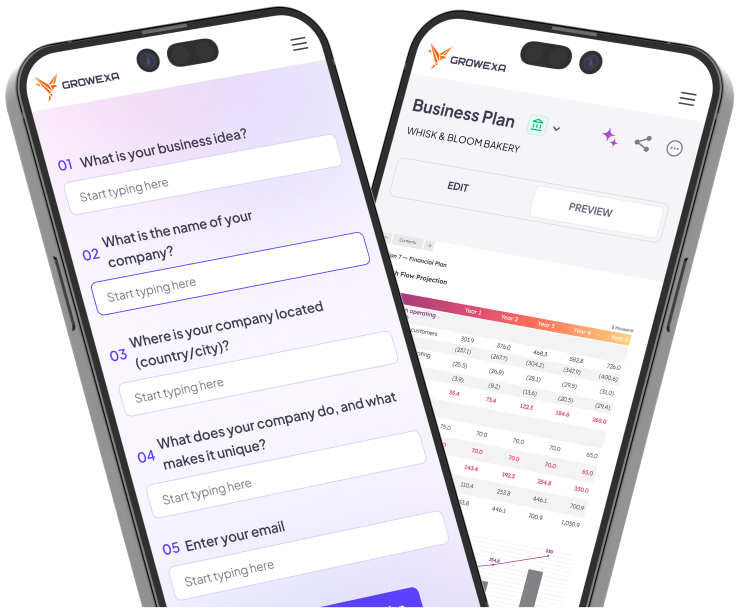
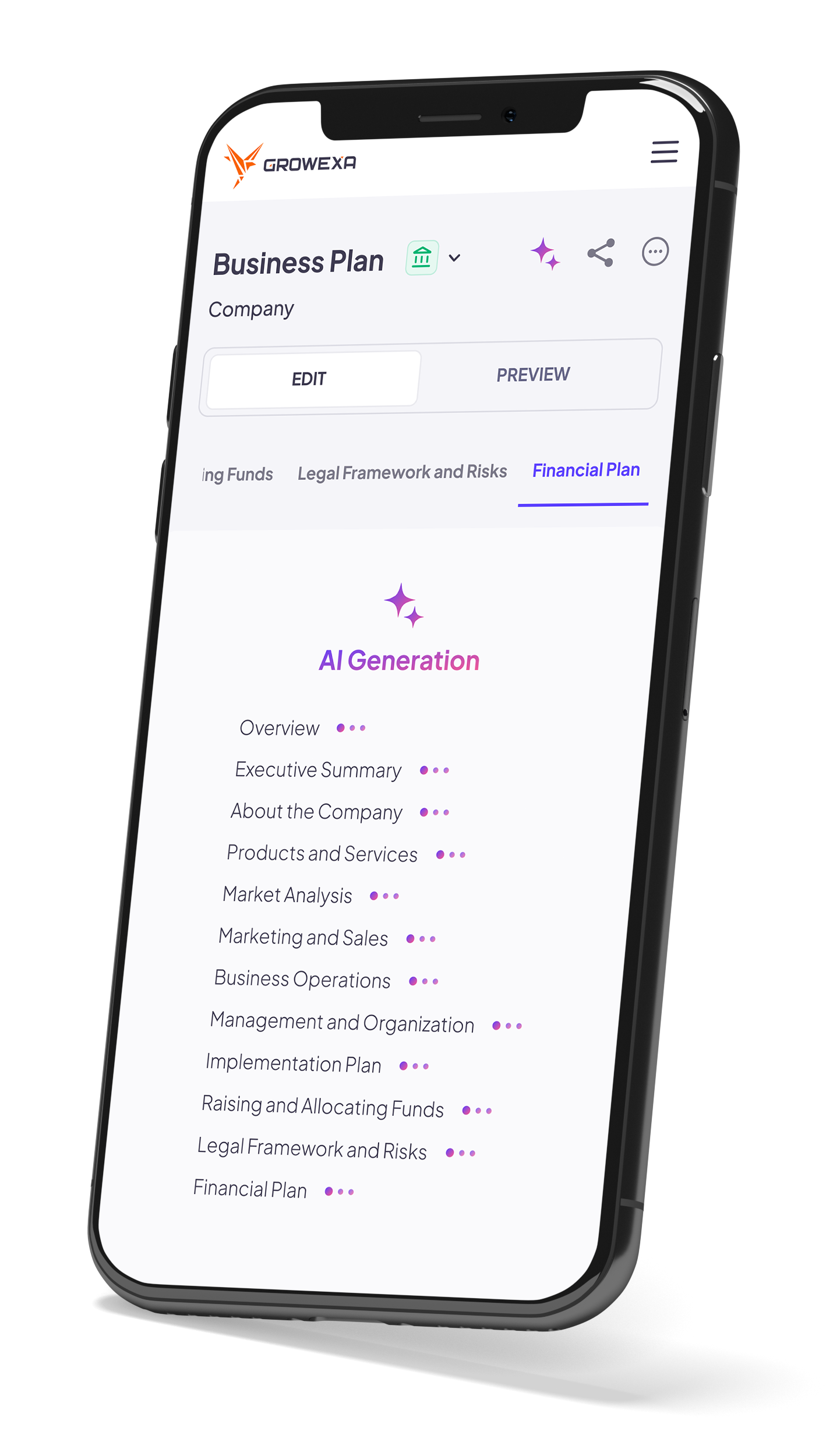
Entrepreneurs ready to bring their Jewelry Store concept to life can rely on platforms like Growexa , where expert planning tools transform creative visions into polished, investor-ready business plans.