
Stop editing templates
Start building a plan that gets approved
Turn this template into a complete business plan with:
- Financial projections
- Loan-ready structure
- Clear repayment logic
Based on 40+ bank requirements

The demand for reliable, professional Handyman Services has grown steadily as homeowners, property managers, and small businesses increasingly outsource maintenance, repair, and minor renovation tasks. Modern lifestyles leave little time for do-it-yourself work, while rising property values and rental density have elevated expectations around quality, safety, and accountability. As a result, Handyman Services have evolved from informal side work into a structured service industry with clear commercial potential.
At the same time, the market has become more competitive and more discerning. Clients expect punctuality, transparency, insured work, and consistent results. Price alone is no longer the primary differentiator. In this environment, success depends on organization, reputation, and operational discipline. A comprehensive business plan is therefore essential. A well-designed business plan transforms Handyman Services from fragmented job-based work into a scalable service business with predictable demand, controlled costs, and long-term brand value.
This Handyman Services Business Plan outlines how such a transformation can be achieved. It aligns service quality with market positioning, operational systems, and financial structure, ensuring that Handyman Services are delivered professionally, profitably, and sustainably.
Turn this template into a complete business plan with:
Based on 40+ bank requirements


Most business plans fail not because of the idea — but because the numbers don’t prove repayment.
Build a bank-ready business plan in minutes
(with projections, structure, and validation)
The Executive Summary presents the Handyman Services business as a professional, customer-focused service company built around reliability, versatility, and trust. The Handyman Services offering covers a defined range of residential and light commercial tasks, including repairs, installations, preventative maintenance, and small upgrades. The business plan defines the mission as providing dependable, high-quality Handyman Services that reduce friction for property owners and managers.
This Handyman Services business differentiates itself through consistency, clear communication, and operational structure. Rather than relying on ad-hoc availability, the business plan outlines scheduled service models, transparent pricing frameworks, and standardized job execution. Target customers include homeowners, landlords, property management firms, and small businesses requiring ongoing maintenance support.
From a financial standpoint, the business plan summarizes startup costs, service pricing, revenue projections, and margin expectations. Revenue is generated through hourly services, flat-rate jobs, maintenance packages, and recurring contracts. The Executive Summary positions Handyman Services as a scalable service operation supported by a disciplined business plan rather than an informal trade activity.
The Company Overview defines the identity and operating philosophy of the Handyman Services business. It clarifies whether the company focuses on residential work, commercial maintenance, or a hybrid model. This positioning informs all strategic decisions within the business plan, from branding and service scope to staffing and scheduling.
The Handyman Services company operates as a legally compliant service business with defined ownership and governance. The business plan addresses licensing requirements, insurance coverage, bonding, and local regulations. Compliance is treated as a strategic asset that builds trust and enables larger contracts.
Operationally, the Handyman Services model balances flexibility with standardization. While each job may differ, service categories, job estimates, safety protocols, and customer communication follow consistent processes. The business plan explains how this structure allows the Handyman Services business to scale without sacrificing quality.
Geographic coverage and response times are also addressed. The business plan ensures that service areas are defined realistically to maintain punctuality, efficiency, and customer satisfaction.
The Market Analysis examines the demand drivers behind Handyman Services. Aging housing stock, increased rental activity, and time-constrained homeowners have created sustained demand for professional maintenance services. At the same time, regulatory requirements and safety expectations discourage unlicensed or informal labor.
The business plan evaluates the competitive landscape, including independent contractors, small service firms, and franchise-based operators. Differentiation within Handyman Services is driven by reliability, professionalism, and service breadth rather than technical complexity alone. The business plan positions the company to compete on trust, responsiveness, and long-term client relationships.
Customer behavior analysis highlights a preference for vetted providers with transparent pricing and predictable outcomes. The business plan integrates these insights by prioritizing communication, documentation, and repeat service offerings. Market opportunities such as subscription maintenance plans and property management contracts are identified as growth levers.
This analysis ensures that the Handyman Services offering aligns with stable, long-term demand rather than one-off project volatility.
Marketing for Handyman Services is trust-driven and local by nature. This section of the business plan outlines a strategy focused on visibility, credibility, and referrals. Brand messaging emphasizes reliability, professionalism, and ease of use rather than aggressive promotion.
The Handyman Services business leverages local search, online reviews, partnerships with real estate professionals, and community presence. The business plan emphasizes reputation management and consistent customer experience as primary growth drivers.
Sales strategy focuses on clarity and convenience. Estimates are standardized, pricing is transparent, and service packages encourage repeat engagement. The business plan aligns sales incentives with long-term customer value, ensuring that short-term job volume does not undermine service quality or brand trust.
The Operations Plan details how Handyman Services are delivered on a daily basis. It outlines job intake, scheduling, dispatching, and completion workflows. Time management and route planning are critical to efficiency and margin control.
The business plan addresses tool management, vehicle requirements, material sourcing, and safety protocols. Standard operating procedures ensure that each Handyman Services job meets quality and compliance standards. Documentation and customer sign-off processes protect both the business and the client.
Technology supports operations through scheduling software, invoicing systems, and customer relationship management tools. The business plan demonstrates how operational discipline allows Handyman Services to scale without chaos or burnout.
No connection between:
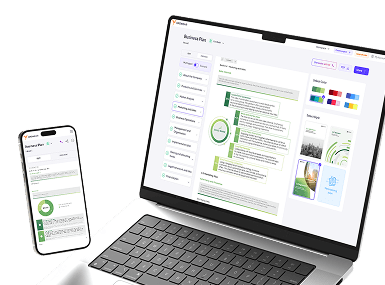
Growexa builds a complete, lender-ready business plan — with financial logic and a professionally formatted PDF
The Management and Organization section outlines the leadership structure of the Handyman Services business. It defines roles related to operations management, field technicians, customer coordination, and financial oversight.
The business plan emphasizes accountability, training, and performance tracking. As the company grows, standardized onboarding and skill development ensure consistent service delivery. Organizational culture prioritizes professionalism, safety, and customer respect.
This structure ensures that Handyman Services are not dependent on any single individual, strengthening business continuity and scalability.
Starting Handyman Services requires moderate but strategic capital investment. This section of the business plan outlines funding needs for vehicles, tools, insurance, branding, technology systems, and working capital. The business plan emphasizes realistic budgeting and contingency planning.
Funding sources may include owner equity, small business loans, or equipment financing. Capital allocation prioritizes operational readiness and reliability over cosmetic expenses. The business plan ensures that financial decisions support sustainable growth for Handyman Services.
The Financial Plan translates the Handyman Services concept into a structured financial model. Revenue projections are based on service capacity, pricing, utilization rates, and repeat business. Expense assumptions include labor, fuel, materials, insurance, and overhead.
The business plan addresses margin stability, cash flow management, and break-even analysis. Sensitivity scenarios account for seasonality and labor availability. This financial rigor demonstrates that Handyman Services are designed as a viable, long-term business.
Professional Handyman Services fill a critical gap between full-scale contracting and do-it-yourself work. In a market defined by trust, reliability, and efficiency, technical skills alone are not enough. Structure determines sustainability. A comprehensive business plan provides the framework that allows Handyman Services to operate consistently, scale responsibly, and build lasting client relationships.
By aligning service delivery with operational discipline and financial clarity, this Handyman Services business is positioned for durable success. Strategic planning platforms such as Growexa support founders in formalizing service models, modeling financial outcomes, and building investor-ready business plans that bring structure to hands-on service businesses. With a disciplined business plan as its foundation, Handyman Services can deliver enduring value to customers, teams, and long-term stakeholders alike.
Handyman Services operate in a fragmented, trust-based market where consistency and reliability drive repeat business. A formal business plan establishes clear service scope, pricing logic, scheduling systems, and compliance standards, allowing Handyman Services to grow beyond ad-hoc jobs into a structured service company.
A well-structured business plan emphasizes licensing, insurance, standardized processes, and transparent communication. These elements reassure customers that Handyman Services are professional, accountable, and dependable, which directly influences referrals and long-term client relationships.
Handyman Services should review their business plan when expanding service offerings, hiring additional technicians, entering new service areas, or responding to regulatory changes. In a hands-on service industry, the business plan functions as a living framework for operational and financial decisions.

